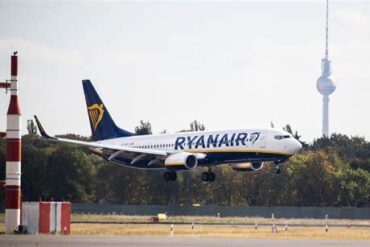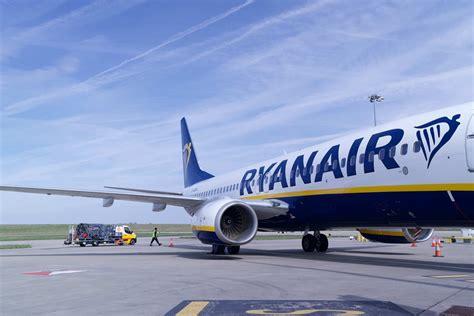
Ryanair’s aggressive low-cost model, long dependent on favorable airport deals and tax policies, is facing sharp turbulence. The airline has announced it will cut over 1 million seats from its 2025 and 2026 schedules across Belgium, Portugal’s Azores, and Spain. The company cites rising airport charges, government aviation taxes, and a hostile cost environment as reasons for these substantial reductions.
This reshaping of Ryanair’s network underscores the razor-thin margins on which low-cost carriers operate. Even marginal increases in government-imposed fees or airport handling costs can quickly make entire routes unviable. With capacity being reallocated to more cost-effective markets, the repercussions will ripple far beyond Ryanair itself, affecting tourism, local economies, and passenger connectivity.
Belgium Bears the Brunt: Aviation Tax Doubled
In Belgium, Ryanair will slash 1 million passengers’ worth of capacity from its operations at Brussels Charleroi Airport, one of its key bases in the country. The drastic decision follows the Belgian government’s move to double the national aviation tax, a move that Ryanair claims has “rendered low-fare operations unsustainable.”
This development will see reductions in based aircraft, flight frequencies, and route diversity at Charleroi. The affected routes include many popular leisure destinations and visiting friends and relatives (VFR) services, particularly during peak holiday periods.
According to a Ryanair spokesperson,
“This doubled tax leaves Belgium at a competitive disadvantage and forces us to reduce capacity where costs no longer support low fares.”
Ryanair has made it clear this is not a demand-driven decision. Instead, it’s a direct rebuke of what the airline views as punitive government policy. The implication is stark: unless governments keep taxes and fees aligned with ultra-low-cost models, airlines like Ryanair will continue to shift their resources elsewhere—damaging national connectivity in the process.
Total Withdrawal from the Azores: 400,000 Seats Axed
One of the most significant and symbolic moves in this shake-up is Ryanair’s complete withdrawal from the Azores by March 2026. The airline will cease all flights to the Portuguese island chain, eliminating approximately 400,000 seats annually. The retreat is a direct result of rising airport charges that Ryanair deems excessive and incompatible with its cost structure.
Despite negotiations and attempts to reach new operating terms, the Azorean government and airport authorities did not offer concessions deemed sufficient to keep Ryanair in the market. Consequently, Ryanair is exiting entirely, a move that will likely have lasting economic repercussions for the islands.
The Azores’ geography makes air travel not just convenient, but essential. Residents, tourism operators, and local businesses rely heavily on regular, affordable flights to maintain links with mainland Portugal and international markets. Ryanair’s presence helped drive down fares, increased seat availability, and offered year-round connectivity that supported the islands’ fragile off-peak economy.
With Ryanair gone, the Azores will see reduced competition, potentially higher ticket prices, and fewer travel options—especially outside peak seasons. Local authorities may now need to explore incentives or subsidies to attract new carriers or expand services from existing ones.
Spain Sees Sweeping Reductions: 1.2 Million Seats Lost
Spain, another critical market in Ryanair’s European footprint, is also facing major cuts. The airline will reduce approximately 1.2 million seats in the country as part of its summer 2026 schedule overhaul. Unlike the Azores, this is not a full withdrawal, but the scale is nonetheless significant.
Multiple Spanish airports—both mainland and island-based—will experience service reductions. The reasons echo the broader themes: airport charges are rising, and profitability is falling. Ryanair has openly stated that increased cost pressures have outpaced revenue gains, particularly on seasonal routes with thinner margins.
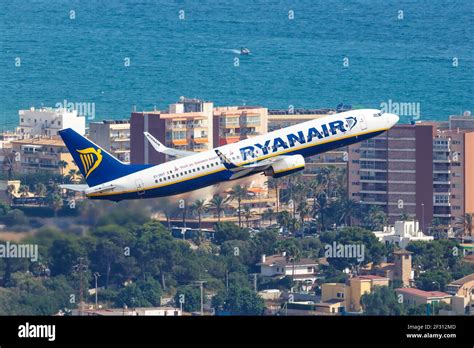
While Ryanair has not named every airport affected, the pattern is clear. Airports that have raised landing fees, handling costs, or passenger levies are seeing capacity reductions. This includes popular tourist gateways that once thrived on Ryanair’s aggressive expansion strategy.
Travelers can expect fewer frequencies, reduced route variety, and potentially higher fares due to diminished low-cost competition. Meanwhile, Ryanair plans to redeploy aircraft to other European airports where operational costs are more favorable, ensuring its business model remains viable in an increasingly challenging regulatory environment.
Cost Sensitivity and Strategic Retrenchment
Across Belgium, the Azores, and Spain, Ryanair’s latest moves highlight a core truth of the ultra-low-cost model: scale depends on stability in external costs. Ryanair’s profitability hinges on high aircraft utilization, low turnaround times, and minimal non-ticket expenses. When governments and airports change the cost equation, Ryanair adapts swiftly—even if it means cutting long-standing routes.
This cost-driven agility has helped Ryanair remain one of Europe’s largest carriers, but it also leaves it vulnerable to shifts in policy. Its decisions send a message to governments: keep taxes low, or risk losing air connectivity.
By choosing to cut capacity rather than raise fares, Ryanair is prioritizing network sustainability over short-term revenue. The airline’s stance underscores that it will not absorb rising costs silently. Instead, it will reallocate resources to airports and countries that support its business model.
Looking Ahead: More Cuts on the Horizon?
Ryanair’s leadership has hinted that unless cost escalation trends are reversed, additional cuts may follow in other markets. With environmental levies, carbon offset charges, and airport privatization fees on the rise across Europe, the airline is in near-constant negotiation with authorities over financial terms.
Passengers, local economies, and tourism boards may increasingly find themselves caught in the crossfire. For now, Ryanair is choosing cost efficiency over market sentiment, even if it means retreating from regions it once helped to connect. The message is clear: affordable flying is no longer guaranteed, and the cost of doing business in Europe’s skies is climbing fast.