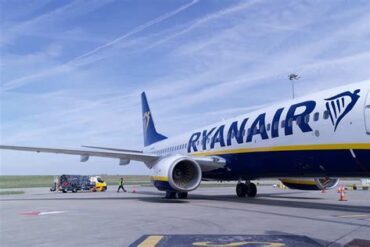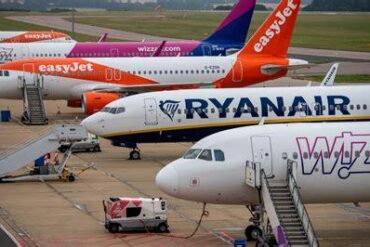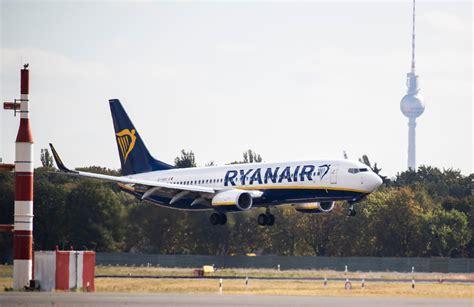
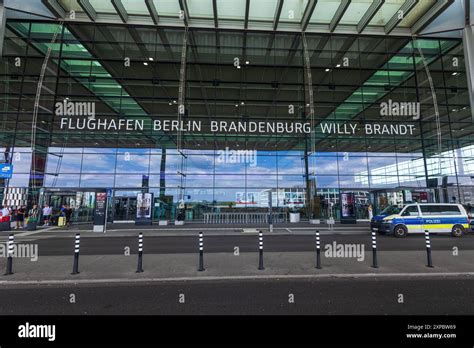
European low-cost powerhouse Ryanair is executing a decisive retreat from its Berlin base, signaling a sharp escalation in tensions between airlines and German aviation cost structures. The carrier will close its base at Berlin Brandenburg Airport (BER) at the conclusion of the IATA summer season, withdrawing seven aircraft and redeploying them across more cost-efficient European markets. This move reflects a broader recalibration of network strategy driven by mounting operational costs and declining passenger volumes.
The airline’s decision underscores a critical fault line in Europe’s aviation recovery: while demand rebounds unevenly, cost pressures continue to intensify, particularly in Germany. Ryanair’s leadership has labeled the latest wave of fee increases as “unjustified,” arguing that the airport’s pricing trajectory is fundamentally incompatible with the low-cost model that has powered its expansion across the continent.
Berlin Exit Reflects Ruthless Cost Discipline
Ryanair’s Berlin base closure is not a symbolic gesture—it is a calculated redeployment of assets designed to preserve margins. The seven aircraft currently stationed at BER will be shifted to lower-cost environments in countries such as Sweden, Slovakia, Albania, and Italy. These markets offer more competitive airport charges and favorable regulatory frameworks, enabling the airline to maintain its ultra-low fare structure.
Despite the withdrawal, Ryanair will not abandon Berlin entirely. Flights will continue, but they will originate from aircraft based outside Germany. This hybrid approach allows the airline to retain route presence without absorbing base-level costs, effectively reducing exposure to BER’s fee structure.
According to CEO Eddie Wilson, the impact will be substantial: Berlin traffic is projected to fall by 50%, from 4.5 million passengers to 2.2 million by 2027. This contraction highlights the direct correlation between airport costs and airline capacity decisions.
Escalating Fees Since 2019 Fuel Airline Frustration
The Berlin exit cannot be viewed in isolation—it is the culmination of a multi-year trend. Since 2019, airport charges at BER have surged by approximately 50%, with an additional 10% increase planned for 2027. For a carrier like Ryanair, where profitability hinges on tight cost control, such increases are untenable.
A breakdown of key cost components reveals the scale of the burden:
- Aviation tax has more than doubled, rising from €7.30 to €15.50 per passenger
- Security fees are projected to double from €10 in 2024 to €20 by 2028
- Air traffic control charges have tripled from €1 to €3.30 per passenger
- Airport fees have climbed sharply post-pandemic, with further increases scheduled
These escalating costs come at a time when BER’s passenger traffic has fallen by nearly 30% compared to 2019 levels, dropping from 36 million to approximately 26 million annually. Although recent figures show modest growth, the recovery remains fragile and uneven.
Germany’s Aviation Market Faces Structural Challenges
Ryanair’s retreat from Berlin is part of a broader pattern of disengagement from Germany. In recent years, the airline has shuttered bases at Frankfurt Hahn and Frankfurt Main, while its subsidiary Lauda exited Düsseldorf. The underlying issue is consistent: Germany’s high-tax, high-fee environment is eroding its competitiveness within Europe.
Compared to countries like Hungary and Poland—where aviation taxes have been reduced or eliminated—Germany presents a significantly higher cost base. This disparity has tangible consequences. While Eastern European markets have surpassed pre-pandemic passenger levels, Germany continues to lag, operating at roughly 81.7% of 2019 capacity as of early 2026.
The implications extend beyond Ryanair. High costs deter capacity growth, limit route expansion, and ultimately constrain consumer choice and price competitiveness. Airlines are increasingly prioritizing markets where regulatory and cost conditions align with post-pandemic recovery dynamics.
Strategic Redeployment Signals Industry Shift
Ryanair’s decision is emblematic of a larger shift in airline strategy across Europe. Capacity is no longer allocated based solely on demand; it is increasingly dictated by cost efficiency and policy alignment. Airports and governments that fail to adapt risk losing traffic to more agile competitors.
For Berlin, the consequences are immediate and measurable: fewer based aircraft, reduced passenger throughput, and diminished connectivity growth potential. For Ryanair, however, the move reinforces its core philosophy—deploy capital where it delivers maximum return.
This episode serves as a stark reminder that in the ultra-competitive aviation sector, cost structures are destiny. Airlines will not hesitate to walk away from major markets if the economics no longer make sense. Berlin’s loss is poised to become another city’s gain, as Ryanair redirects its fleet toward regions that actively support low-cost growth.