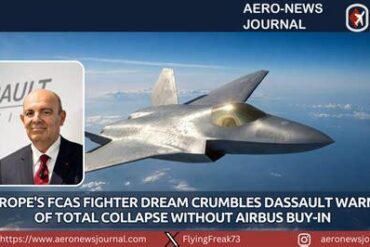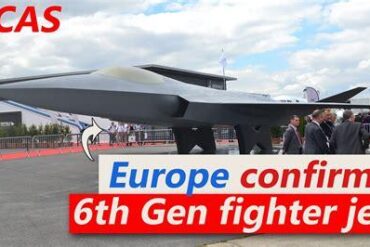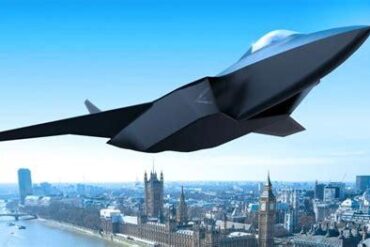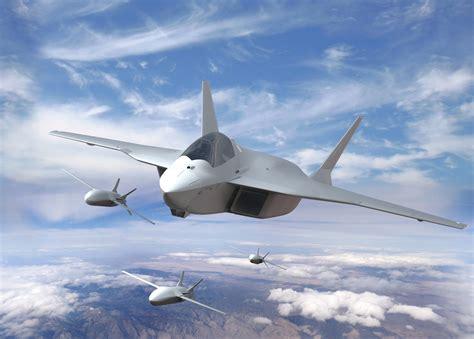
France’s latest demand for an 80% workshare in the Future Combat Air System (FCAS) has triggered fresh anxiety across European defense circles. The sixth-generation stealth fighter project, a collaborative venture between France, Germany, and Spain, now appears to be teetering on the brink. At the heart of the escalating tension lies a familiar storyline—French dominance, industrial rivalry, and a growing sense of déjà vu for Berlin and Madrid. This is not the first time Paris has entered a pan-European defense project only to exit in pursuit of national interests. The looming question: Will FCAS suffer the same fate as the Tornado and Eurofighter Typhoon programs?
French Demands Threaten FCAS Unity
Reports from German defense publication Hartpunkt reveal that Dassault Aviation, the French defense giant, has informed its partners it wants a lion’s share—80% of the development and industrial responsibilities. The justification, backed by the French media and government, is Dassault’s historical technical expertise and design capabilities. However, to Germany and Spain, this disproportionate demand is an alarming sign of potential rupture.
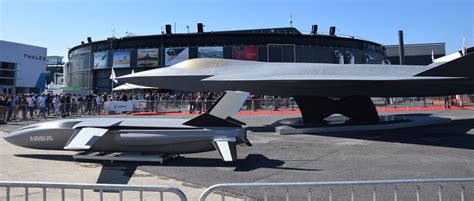
German lawmaker Christoph Schmid from the SPD bluntly warned that acceding to French demands could be the “last nail in the coffin” for FCAS. The upcoming Phase 2, which will involve producing a demonstrator jet, is crucial for the project’s momentum. If France insists on dominance, Phase 2 may not proceed collaboratively.
Despite this internal discord, the French press defends Dassault’s position. Publications such as Meta Defense argue that France is under greater strategic pressure than Germany or Spain. France’s Rafale fighters are set to retire by 2040–2045, and unlike Germany and Spain—who have fallback options like the Typhoon or F-35—France has none. Thus, they contend, a tighter timeline requires a more centralized development structure with Dassault at the helm.
A History of Exits: From AFVG to Typhoon
If history is any indicator, this unfolding drama fits a consistent pattern. In both the Panavia Tornado and Eurofighter Typhoon programs, France initially joined with enthusiasm—only to later withdraw, citing disagreements over workshare and design priorities.
The Panavia Tornado Collapse
In 1965, France and the UK agreed to jointly develop a modern variable geometry fighter aircraft, dubbed the AFVG (Anglo-French Variable Geometry) project. But in July 1967, France abruptly exited. Britain, scrambling to salvage the effort, roped in Germany and Italy, leading to the formation of Panavia Aircraft GmbH in 1969. The resultant aircraft, the Panavia Tornado, became a Cold War icon and served operationally in Iraq, Libya, and Afghanistan.
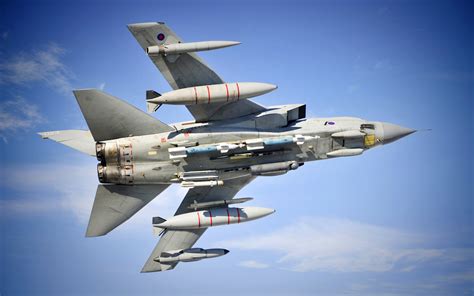
Notably, France was already secretly working on the Mirage G, an experimental swing-wing aircraft, even as it signed AFVG agreements. The Mirage G bore remarkable similarities to the Tornado in its variable-geometry wings and multirole design. France’s dual-track strategy hinted at its reluctance to fully commit to a multilateral industrial process.
The Eurofighter Typhoon Split
The pattern repeated in the 1980s with the Eurofighter Typhoon. Initially envisioned as a pan-European response to Soviet airpower, the program included Germany, the UK, Italy, Spain—and France. But by 1985, France had pulled out. The sticking points? Once again, workshare and divergent priorities.
France demanded a 46% share in the development effort, leaving the other four nations with a meager 54% to split. Moreover, Paris insisted on designing the aircraft for naval operations, unlike its partners, whose air forces had no pressing need for carrier-compatible fighters. The fundamental disagreement led France to go solo, eventually giving rise to the Rafale, an aircraft designed, developed, and produced entirely within France.
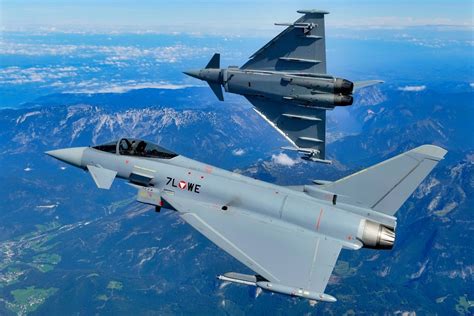
Ironically, this independence later proved advantageous. France no longer needed to seek German approval for arms exports—unlike the Typhoon consortium members, who are beholden to Berlin’s strict export policies.
Strategic and Industrial Autonomy
Dassault’s track record speaks volumes. The Rafale, though initially slow to secure foreign buyers, has seen explosive export growth in the last decade. Nations such as Egypt (54 units), Serbia (12 units), and the UAE (80 units) have placed orders. Had France been tethered to the Typhoon program, such deals would have required approval from Germany, a country known for its restrictive arms export policy.
Berlin has consistently blocked exports involving German components, including major platforms like the Airbus A330 MRTT, C-295, and H145 helicopters. Even French-origin systems with minor German parts faced scrutiny. In 2019, Airbus CEO Thomas Enders expressed frustration, noting how “even just a tiny German part” could derail a sale.
France’s ability to maintain strategic independence in defense manufacturing is clearly a motivating factor behind its recurring solo ventures. That same independence, however, often comes at the cost of multinational collaboration.
FCAS: Destined for Fragmentation?
The FCAS project was announced in 2017 as Europe’s answer to future air dominance challenges, aimed at delivering a sixth-generation fighter, drone swarms, and a robust combat cloud by 2045. Initially, it symbolized a new era of cooperation. But as it stands in 2025, it is overdue, underfunded, and misaligned.
According to OpexNews, a successful collaborative defense program requires a “clear framework and task delegation.” The nEUROn drone program, in which France partnered with several European states, worked precisely because of this clarity. FCAS, however, is plagued by vague leadership structures and competing industrial egos.
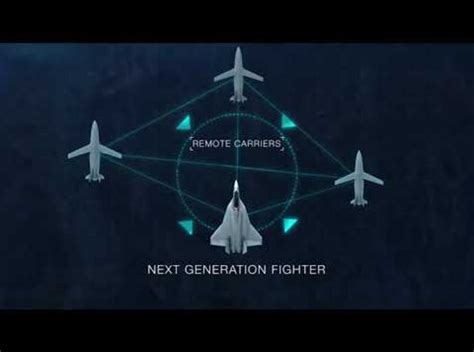
French outlets continue to stress that if FCAS is to stay alive, Dassault must lead. German voices argue that such centralization contradicts the original multilateral spirit. The result is gridlock.
Germany and Spain’s Calculus
Germany and Spain do not face the same strategic urgency. The Eurofighter Typhoon, though aging, can be modernized to remain viable into the 2040s. Germany has already procured F-35s for NATO nuclear-sharing duties, giving Berlin an alternative to FCAS should the project collapse. Spain, too, has options and remains less dependent on FCAS timelines.
This asymmetry of urgency allows Germany and Spain to be more patient, while France presses forward with demands. That divergence alone is enough to make FCAS fragile, especially if partners lose trust.
The Looming Breakup
The year 2025 appears to be the decisive turning point. Either the partners will fundamentally restructure the industrial setup to meet deadlines or the program will implode under its own contradictions. As tensions simmer, France is again weighing whether it should commit to a shared vision or forge ahead independently, as it did with the Rafale.
Given Dassault’s legacy of delivering complex systems autonomously and France’s consistent history of prioritizing national control, the odds are tilting toward disengagement. Whether that choice will doom FCAS or liberate the rest of Europe to forge their own path remains to be seen.
For now, the core question lingers like an aircraft on an unsteady glidepath: Is France, once again, an unreliable partner in European defense?