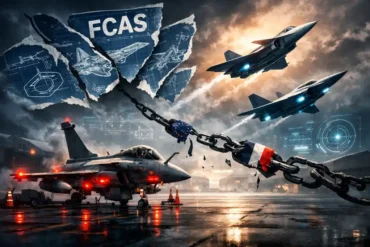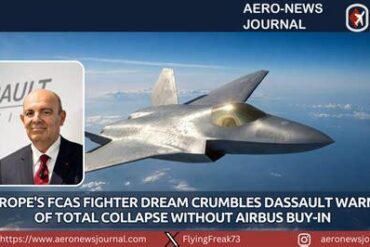
Sweden’s Saab AB has thrown a calculated spotlight on the fragility of Europe’s most ambitious military aviation project—the Future Combat Air System (FCAS)—by signaling its willingness to consider an alternative path with Airbus Defence and Space. As the FCAS program remains stalled amid escalating internal disputes, Saab’s interest in a potential partnership marks a turning point with deep ramifications for European defense autonomy, industrial strategy, and next-generation airpower.
Saab’s Strategic Pivot and Europe’s Fractured Airpower Vision
In a candid interview with Frankfurter Allgemeine Zeitung published on December 21, 2025, Saab CEO Michael Johansson stated that Saab is prepared to explore a partnership with Airbus if the FCAS initiative fails to progress. This admission underscores Saab’s intent to remain central to Europe’s next-generation fighter evolution while highlighting deep dissatisfaction with FCAS’s sluggish pace and opaque governance.
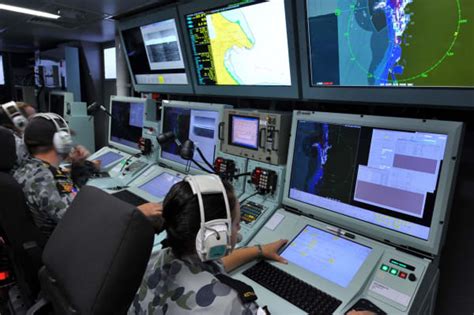
Johansson’s remarks arrive at a time of growing frustration among European defense stakeholders. The FCAS program, initially launched by France, Germany, and Spain, is marred by persistent disagreements over workshare allocation, technology access, and industrial leadership—especially in the development of the flagship New Generation Fighter (NGF) aircraft. For Saab, which has long advocated modular and phased innovation in air combat systems, the rigid top-down structure of FCAS appears increasingly misaligned with its development philosophy.
FCAS: A ‘System of Systems’ Struggling to Coalesce
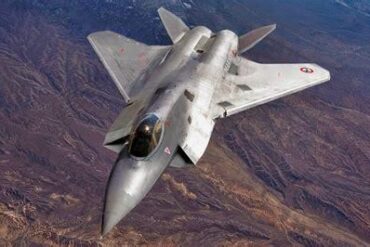
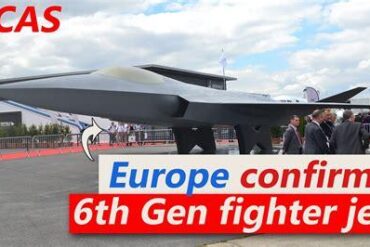
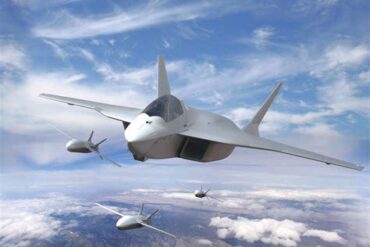
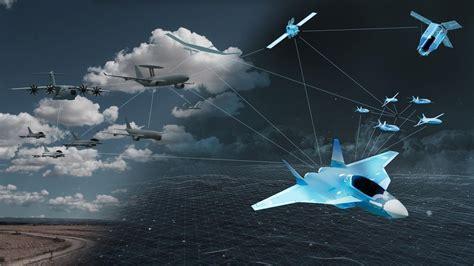
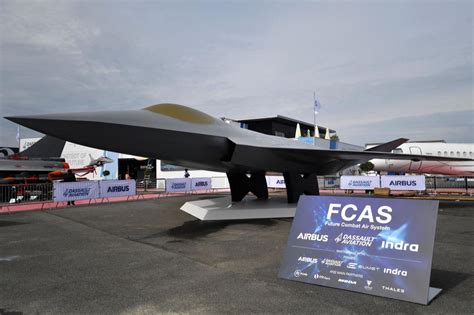
Launched with the aim of fielding a sixth-generation fighter jet by 2040, FCAS was never just about replacing the Rafale or the Eurofighter Typhoon. Instead, it was envisioned as a “system of systems” that includes:
- New Generation Fighter (NGF): A manned aircraft designed to operate in contested environments.
- Remote Carriers: Unmanned drones executing electronic warfare, reconnaissance, or strike roles.
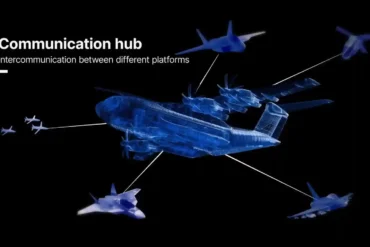
- Combat Cloud: A battlefield digital network that integrates land, air, sea, and cyber capabilities.
This grand ambition required a delicate balancing act across multiple industrial giants. Dassault Aviation was designated as NGF’s prime contractor, Airbus Defence and Space represented German and Spanish interests, and companies like Safran, MTU, Thales, Indra, and others formed a complex industrial ecosystem supporting propulsion, sensors, effectors, and avionics.
But this very complexity has become FCAS’s Achilles’ heel. Airbus has repeatedly contested Dassault’s leadership model, citing unfair restrictions on access to critical technologies under the so-called “best athlete” principle. Dassault, on the other hand, insists that centralized authority is essential for technical coherence, performance accountability, and timeline discipline.
The result has been a paralyzing deadlock, delaying critical transitions to demonstration phases necessary for proving stealth technologies, human-machine teaming, and mission systems.
Saab’s Independent Capabilities and Incremental Strategy
Against this backdrop, Johansson’s comments were more than speculative. He emphasized that Saab has the industrial know-how, technological depth, and engineering workforce to build a new manned fighter platform independently, even while being open to collaboration.
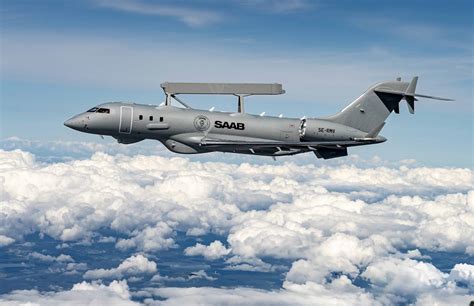
Importantly, he proposed a phased development roadmap:
- Short-term (4–5 years): Focus on unmanned collaborative drones to complement existing fighters like the Gripen and Eurofighter.
- Mid-to-long-term (10+ years): Development of a fully new manned combat aircraft targeting operational deployment by the late 2030s.
This agile, modular approach stands in contrast to FCAS’s all-encompassing integration model. Saab envisions deployable building blocks—each independently validated—rather than waiting for the convergence of complex, interdependent systems that may remain in flux for a decade.
Swedish-German Alliance: A Viable FCAS Alternative?
As Sweden accelerates its national future air combat studies, a potential bilateral framework involving Germany and Sweden is quietly gaining attention in strategic circles. For Berlin, this may offer a more technologically flexible and politically palatable path forward compared to the current FCAS quagmire.
While such a shift would shrink the program’s industrial base and diverge from the EU’s original vision of defense autonomy, it may also eliminate persistent Franco-German frictions that have hampered FCAS from its inception. By contrast, Saab’s emphasis on technological sovereignty, transparent governance, and co-development equity may resonate better with German defense planners frustrated by stalled progress and escalating costs.
The Future of European Air Dominance Hangs in the Balance
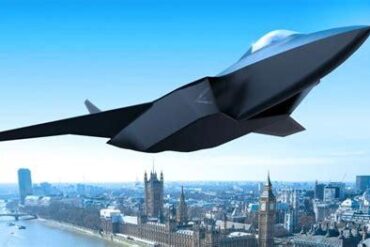
The Saab-Airbus discussions, though exploratory, mark a strategic inflection point. Europe is at risk of fracturing its combat airpower roadmap, with Britain and Italy already pursuing their own Tempest/GCAP sixth-generation fighter in partnership with Japan. If FCAS fails to reconcile its internal disputes, it risks becoming the third pillar of a divided European defense future, rather than its unifying flagship.
For Saab, the path forward is clear: pursue technological advancement with partners that respect sovereignty and innovation agility. For Airbus, the opportunity lies in reshaping its strategic role beyond the FCAS impasse. And for Europe, the time has come to decide whether joint defense programs should be driven by shared capability goals—or held hostage to industrial rivalry and political inertia.