The global defense landscape of 2025 was shaped not just by unprecedented conflicts but by decisive shifts in the aerospace industry. With warfare erupting across four continents and air power taking center stage in military strategies, this year should have been fertile ground for all major combat aircraft manufacturers. However, the reality proved uneven. Dassault Aviation, once considered a beacon of European aerospace engineering, found itself wrestling with both battlefield humiliation and programmatic disarray. In sharp contrast, Boeing and Saab emerged as the resurgent champions of this turbulent year.
Global Conflicts Ignite Aerospace Demand
Wars raged from Europe to Asia, Africa to Latin America, amplifying the global appetite for next-generation aerial warfare systems. The Russia-Ukraine War entered its fifth year, while the Middle East combusted with Israel’s expanded strikes reaching as far as Iran and Qatar. Asia witnessed the most intense India-Pakistan air battle since 1971, while Africa remained engulfed in civil wars and foreign interventions.
This spike in hostilities catalyzed massive boosts in defense budgets, with aerial dominance becoming a priority. Fighter jet programs and future combat air systems drew unprecedented attention and investment. But amidst the boom, not all defense giants thrived equally.
Boeing’s Triumphant Return: The Year of the F-47
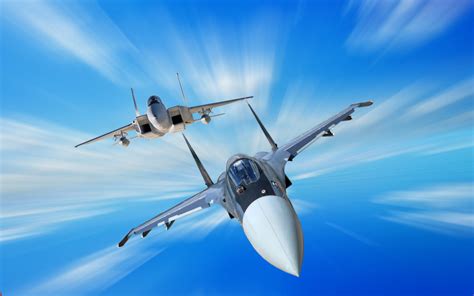
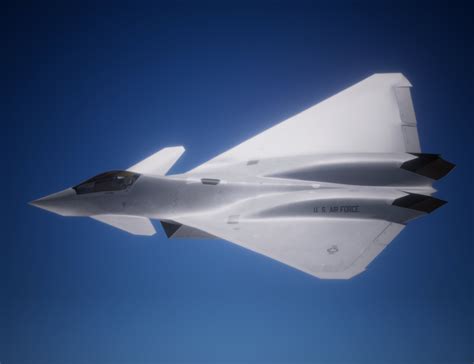
For Boeing, 2025 delivered long-awaited redemption. After decades of missing out on pivotal U.S. stealth fighter contracts, Boeing finally seized a defining victory. In March 2025, then-President Trump unveiled Boeing as the winner of the U.S. Air Force’s sixth-generation fighter jet competition, crowning the F-47 as America’s next flagship combat aircraft.
This $20 billion development contract is poised to evolve into a multi-hundred billion-dollar production deal, with a minimum of 185 jets planned. More importantly, it restores Boeing’s role in shaping the future of stealth aviation, a domain long monopolized by Lockheed Martin. The F-47 triumph marks Boeing’s first win in a major stealth aircraft competition, and it signals a seismic power shift within the U.S. defense industrial base.
Further cementing its resurgence, Boeing also secured an $8.6 billion deal for 25 advanced F-15IA fighters for the Israeli Air Force, with an option for 25 more. This variant of the F-15EX reinforces Boeing’s relevance in both legacy and next-gen platforms.
Saab’s Remarkable Comeback: Gripen E/F Reclaims Global Stage
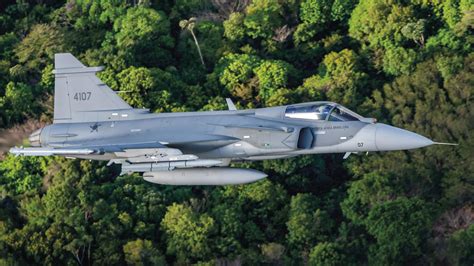
After nearly a decade of stagnation, Saab re-entered the global fighter jet spotlight with confidence. The Gripen E/F, once sidelined in the shadow of stealthier peers, became a geopolitical tool of choice for several middle-power nations.
Thailand led the way in August 2025, approving the acquisition of four Gripen E/F jets for $600 million. Shortly after, Colombia ordered 17 units, totaling $3.6 billion—the largest single deal for Saab in years. The most significant breakthrough, however, came in October, when Ukraine and Sweden signed a letter of intent to transfer up to 150 Gripen-E fighters.
The agreement, which includes potential joint production in Ukraine, transforms Saab from a marginal player into a central figure in Europe’s air defense modernization. Canada, reconsidering its F-35 commitments amid U.S. tensions, is also evaluating Gripen as an alternative. Notably, 2025 witnessed the first combat use of the Gripen, with the Royal Thai Air Force deploying it against Cambodian artillery during brief regional clashes.
Saab also deepened its innovation pipeline with a $280 million contract from the Swedish Defence Materiel Administration for conceptual studies on next-generation fighters. Additional orders for its GlobalEye early warning aircraft from France further reinforced its diversified strength.
Lockheed Martin’s Shaky Year: From Dominance to Doubt
Despite its formidable F-35 program, Lockheed Martin saw its iron grip on the fighter jet market loosen in 2025. The company’s loss of the F-47 contract to Boeing was not just a financial hit—it was symbolic. Having once won every major U.S. stealth program (F-22, F-35), Lockheed now faces the unsettling prospect of playing second fiddle in the sixth-gen race.
Contributing to this reputational erosion were ongoing controversies. Persistent allegations about a potential backdoor kill-switch in the F-35, though denied by the Pentagon, rattled international clients. Compounding this was a damning Pentagon watchdog report, highlighting F-35 readiness rates of only 50%, well below expectations.
Cancellations and hesitations followed. Switzerland trimmed its F-35A order, citing cost overruns. Canada, still at odds with the U.S. over trade and diplomacy, launched a full review of its F-35 procurement. Portugal entered open debate over its next fighter acquisition.
The result: a dented aura of invincibility for Lockheed Martin, and a sudden, unanticipated space for competitors.
Dassault’s Crisis: Rafale Loss and FCAS Deadlock
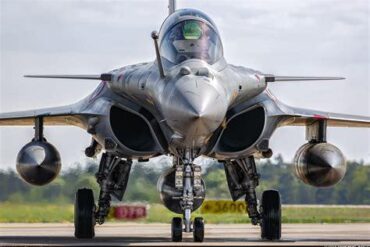
Dassault Aviation began 2025 on a high note, buoyed by India’s order for 26 Rafale M naval fighter jets. But the euphoria evaporated in May, during the intense four-day war between India and Pakistan.
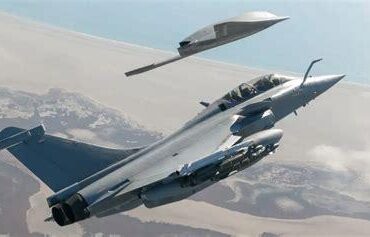
In a moment that shocked military observers, the Indian Air Force lost a Rafale jet during high-altitude operations due to a technical malfunction. While Pakistan claimed it had downed three Rafales—a claim widely disputed—the damage to Rafale’s reputation was real. This marked the first ever loss of a Rafale in active combat.
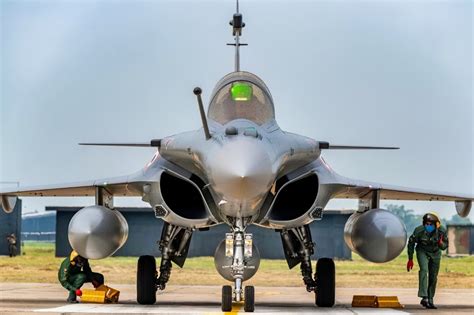
Seizing the moment, China launched a coordinated disinformation campaign. Beijing pushed fake visuals of downed Rafales and promoted its J-10CE fighters as superior alternatives. For Dassault, this was more than a PR nightmare—it became a geopolitical liability.
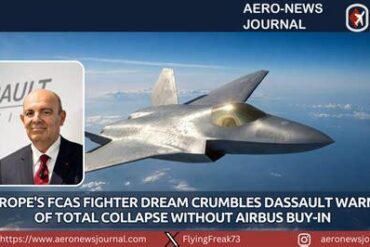
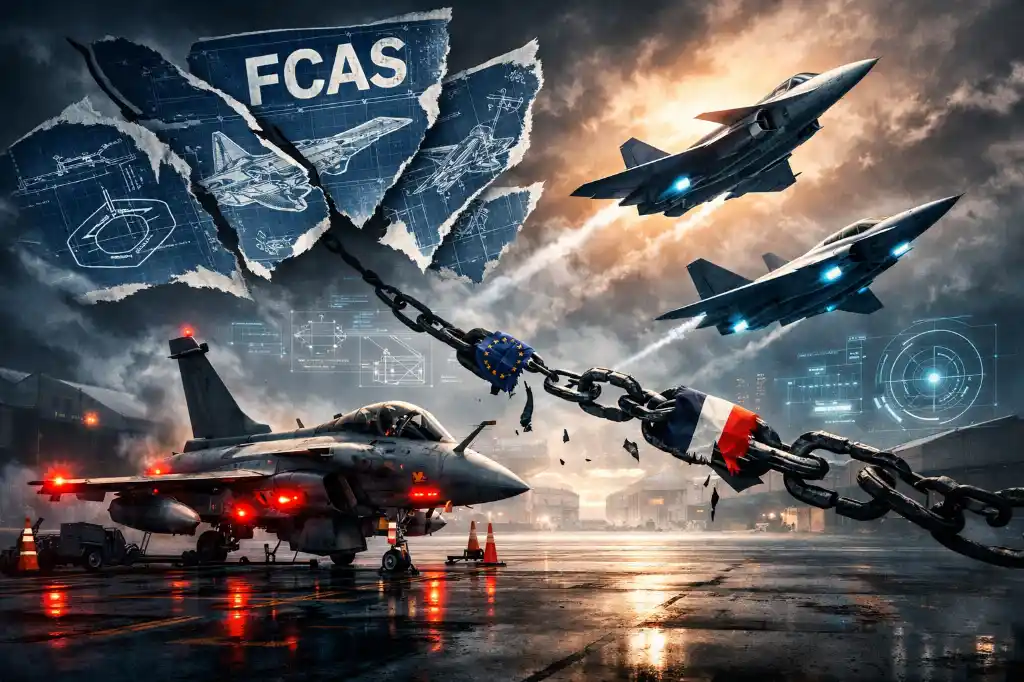
The setback came at a time when Dassault was already reeling from escalating tensions within the Future Combat Air System (FCAS) program. Launched as a joint venture between France, Germany, and Spain, FCAS aimed to build Europe’s sixth-generation fighter. But in 2025, the project ground to a halt.
Disputes over industrial leadership, workshare, and intellectual property rights fractured the partnership. Dassault and Airbus (Germany’s industrial lead) clashed over control and direction, leaving the program in near-total deadlock. For Dassault, this not only jeopardizes a potential multi-billion euro venture but undermines its long-term strategic roadmap.
A glimmer of redemption appeared when Ukraine signed a letter of intent to procure up to 100 Rafale jets over a decade. While this bolstered Dassault’s political relevance, it cannot fully offset the programmatic chaos and battlefield embarrassment.
China’s Aerospace Ascent: The Silent Surge
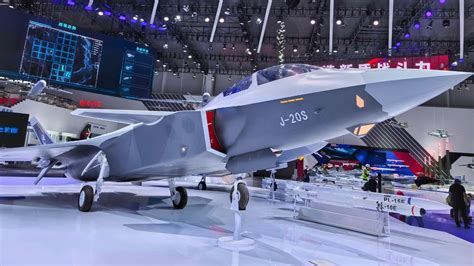
Though largely absent from international deals, China’s aerospace industry had a breakthrough year. With escalating domestic production and combat validations across its borders, 2025 may be seen as the year China graduated from regional competitor to global aerospace contender.
Despite struggling to attract major foreign buyers—partly due to political alignments—China’s positioning of platforms like the J-20 and J-10CE, backed by aggressive digital influence campaigns, foreshadow a new challenge to Western dominance in the 2030s.
Conclusion: A Year of Diverging Fortunes
The defense aerospace theatre in 2025 was one of dramatic reversals and emergent realignments. Boeing, long sidelined in stealth innovation, seized the spotlight with the F-47 and high-value F-15IA orders. Saab, written off by many, reclaimed relevance with strategic Gripen sales and new combat credentials.
Meanwhile, Lockheed Martin, although still formidable, faces a bruised reputation and uncertain client loyalty. But no company saw its fortunes dip more starkly than Dassault Aviation, whose prized Rafale endured its first combat loss and whose future project, FCAS, sits mired in political gridlock.
2025, therefore, may be remembered not just for the wars that reshaped borders, but for the shifting balance of power in the skies above them.