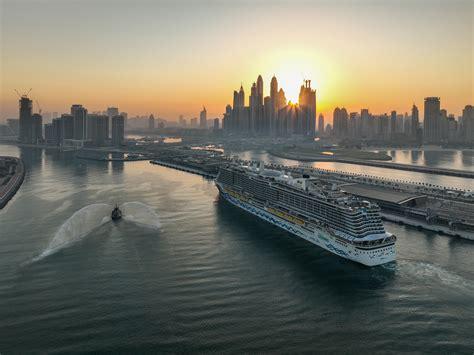
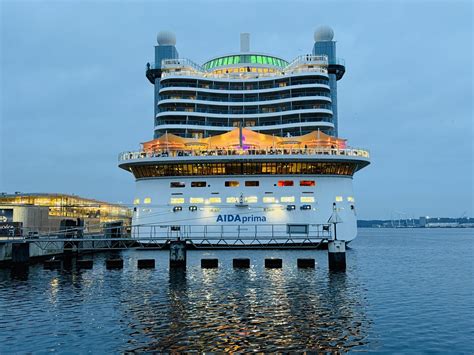
The UAE travel and tourism sector is bracing for a significant downturn following the recent announcement from AIDA Cruises, a prominent German cruise line, that it will suspend all voyages to the Middle East for the 2025–2026 season. This decision marks the end of nearly two decades of operations in the region, primarily due to escalating security concerns that have raised alarms about the safety of maritime travel in these waters. AIDA Cruises’ flagship vessel, the AIDAprima, will now be rerouted to safer destinations, focusing on Northern Europe and the Canary Islands.
As the cruise industry grapples with shifting geopolitical landscapes, AIDA’s withdrawal signals a pivotal moment for tourism in the UAE. The cruise operator has been a staple in the region, contributing significantly to the influx of visitors seeking the allure of the Arabian Gulf. However, the increasing instability in the Middle East, coupled with a lack of robust maritime security, has forced AIDA to reconsider its operational strategies. The decision comes amid growing military activity and unrest near critical shipping lanes, including the Persian Gulf and the Red Sea.
AIDA Cruises’ formal cancellation affects all planned sailings from October 3, 2025, to March 25, 2026, which were intended to embark from major ports in the UAE, including Dubai and Abu Dhabi. The announcement has sent ripples through the travel and tourism sectors, as these cruises have traditionally catered to winter sun seekers eager to explore the cultural richness and vibrant experiences offered by Arabian cities.
Rising Security Concerns Drive Strategic Changes
The primary catalyst for this operational shift stems from heightened security threats along crucial maritime routes. AIDA Cruises has expressed deep concern for the safety of both passengers and crew amid the current geopolitical tensions that could disrupt port visits and cruise schedules. While the company did not cite specific incidents, the cruise industry as a whole remains vigilant, monitoring the ramifications of rising military tensions and instability in the region. The precarious situation surrounding the Suez Canal further complicates matters; should navigation through this vital transit point become unsafe, cruise lines may face costly rerouting challenges, including extended voyage times and complicated logistical planning.
New Horizons: Redeployment to Safer Waters
In light of the cancellations in the Middle East, AIDA Cruises has announced that the AIDAprima will be redeployed to Northern Europe and the Atlantic Islands for the same season. The ship will set sail from Kiel and Hamburg, featuring port calls at highly sought-after destinations within the North Sea and Baltic Sea, as well as the sunny Canary Islands. This pivot to cooler-weather ports offers a blend of scenic beauty and cultural exploration, with stops planned in countries like Norway, Denmark, Sweden, and the United Kingdom, alongside the idyllic islands of Tenerife, Gran Canaria, and Lanzarote.
This strategic redirection not only ensures operational continuity but also allows AIDA to capitalize on the increasing demand from European travelers seeking closer-to-home cruise options that combine natural beauty with rich cultural offerings. The AIDAprima, equipped with cutting-edge amenities—including a wellness center and family-friendly facilities—is poised to attract a diverse clientele in these newly designated cruise areas.
Compensation and Rebooking Options for Affected Guests
To mitigate the impact of these abrupt changes on affected guests, AIDA Cruises has implemented a flexible compensation policy. Passengers whose cruises were canceled will receive a Future Cruise Credit (FCC) equivalent to 10% of their original fare, along with alternative rebooking options on the newly configured itineraries. AIDA has taken proactive measures to communicate directly with impacted guests, ensuring they are fully informed of their options and the rebooking process.
Travel agents and tour operators affiliated with AIDA have also been instructed to assist clients in navigating the transition smoothly, reinforcing the company’s commitment to customer loyalty during these challenging times. This approach not only aims to retain existing customers but also fosters goodwill among potential future travelers.
An End of an Era for AIDA in the Middle East
The cancellation of AIDA Cruises’ Middle East voyages for the 2025–2026 season represents a significant milestone, marking the first time in nearly twenty years that the cruise line will not operate from UAE ports. The company has long been synonymous with winter escapes for European tourists, offering unique access to cities such as Dubai, Abu Dhabi, and Doha. The absence of AIDA in this segment reflects broader trends within the cruise industry, where companies are increasingly reassessing their deployment strategies in response to political volatility and regional instability.
A Future-Orientation Strategy Amidst Uncertainty
This shift is indicative of a larger trend among international cruise companies, emphasizing adaptability and a renewed focus on passenger safety. While the suspension of operations in the Middle East is undoubtedly disappointing for avid cruisers, AIDA’s redeployment strategy allows the company to maintain operational capacity without compromising reliability or security. The repositioning of the AIDAprima introduces the ship to new markets and clientele, potentially opening doors to off-season opportunities that have historically gone untapped.
As the cruise industry continues to navigate global events and uncertainties, the need for flexibility and forward-thinking strategies becomes paramount. AIDA Cruises appears committed to evolving with the times, prioritizing traveler safety while delivering exceptional cruise experiences—albeit in different waters than originally planned. This adaptation not only underscores the resilience of the cruise industry but also highlights the importance of responding proactively to changing circumstances in the world of travel.
In conclusion, the decision by AIDA Cruises to suspend its Middle Eastern operations for the upcoming season is a stark reminder of the challenges faced by the travel and tourism industry. As the UAE looks to rebound from this setback, stakeholders must remain vigilant and adaptable, working collaboratively to ensure the region maintains its position as a premier travel destination. The future of UAE tourism hinges on its ability to respond to these changes, embrace new opportunities, and continue to attract visitors seeking unforgettable experiences.