Ireland’s tourism sector is currently grappling with a confluence of pressing challenges that threaten its long-term sustainability and competitiveness as a global travel destination. As highlighted in Fáilte Ireland’s latest industry outlook, the year 2025 is characterized by escalating pressures stemming from a growing dependence on American tourists, rapidly increasing operational costs, and critical staffing shortages that are reshaping the landscape of the industry.
The reliance on U.S. visitors—historically one of Ireland’s most lucrative markets—has become a double-edged sword. While American tourists contribute significantly to the economy, their unpredictable travel patterns, influenced by shifting political climates and economic uncertainties, pose risks to the stability of the sector. According to the April 2024 report by Fáilte Ireland, there is an urgent need for diversification strategies aimed at reducing overreliance on any single visitor demographic. This pivot is essential, particularly as the global economic landscape continues to evolve, impacting consumer confidence and travel decisions.
Amidst this backdrop, the report indicates that while growth remains possible, it will not come without its challenges. The anticipated performance for 2025 appears stable; however, operators must remain agile and responsive to the changing dynamics within the tourism market. As geopolitical tensions rise and the macroeconomic outlook becomes increasingly uncertain, Irish tourism providers must adapt quickly to maintain their competitive edge.
A significant aspect of the current predicament is the rising operational costs that have placed immense pressure on profit margins across the industry. The report identifies several contributing factors to this financial strain, including inflation, soaring energy prices, and a shortage of skilled labor. Operators within the accommodation and attraction sectors are finding themselves caught in a precarious situation where raising prices to offset these costs could alienate price-sensitive consumers. As many travelers express concerns about value for money, hoteliers and other service providers face the delicate task of adjusting pricing strategies to remain attractive while still safeguarding profitability.
The impact of these rising costs is particularly pronounced in the accommodation sector, which has exhibited uneven performance. Major urban centers like Dublin and Galway continue to attract significant bookings and robust occupancy rates, contrasting sharply with regional areas where demand remains tepid. For example, the valuation of upscale hotel rooms reveals stark disparities, with properties in Dublin valued at approximately €360,000 per key, compared to just €134,000 for similar establishments in Co Cavan. This disparity underscores the necessity for localized strategies that consider regional strengths and challenges in order to optimize performance.
Another critical concern highlighted in the Fáilte Ireland report is the staffing crisis plaguing the sector. Many tourism providers are struggling with high turnover rates, limited access to skilled labor, and an increased reliance on casual or part-time employees. This labor market instability not only affects service quality but also hampers operational scalability during peak seasons. The challenge is particularly acute in rural areas, where alternatives for employment may be scarce, further complicating efforts to attract and retain a full-time workforce. As such, effective workforce planning, comprehensive training programs, and targeted labor market support have become paramount for ensuring the resilience of the sector.
Despite these challenges, there are indications of investor confidence in Ireland’s hospitality landscape. The report notes that capital investments reached an impressive €950 million in 2023, representing a staggering 170 percent increase compared to the previous year. This surge reflects a strong belief in the potential of Ireland’s tourism sector, driven by the construction of over 7,200 new bed spaces and renovations aimed at enhancing existing properties. Such developments not only improve accommodation capacity but also bolster the overall visitor experience, positioning Ireland favorably as a travel destination.
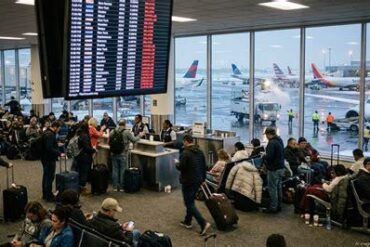
The aviation sector also plays a crucial role in supporting tourism recovery, with Dublin Airport Authority forecasting a five percent increase in seat capacity for the upcoming summer season. This expansion is vital for maintaining international air access, particularly for long-haul travelers from North America. While short-haul bookings have remained stable, there has been a notable uptick in transatlantic traffic, reflecting a positive trajectory for Irish tourism. However, the success of these initiatives hinges on managing costs effectively within both the airline and airport sectors to ensure that Ireland remains a competitive player in the global travel market.
One of the most pressing issues identified in the report is the perception of value among foreign tourists, particularly from North America and Asia. As travelers become increasingly discerning about their spending, Ireland must ensure that the premium associated with visiting the country is justified by exceptional service and unique experiences. Fáilte Ireland is actively collaborating with local businesses to enhance the storytelling aspect of Irish tourism, focusing on curated experiences that highlight the rich cultural heritage, vibrant ecosystems, and distinctive culinary offerings available throughout the country. By emphasizing authenticity and local engagement, the sector can better position itself to meet evolving traveler expectations.
As Ireland’s tourism industry enters 2025, the outlook is cautiously optimistic, yet it remains clear that addressing fundamental vulnerabilities is crucial for sustaining momentum. The interplay of rising operational costs, labor shortages, and a heavy reliance on American visitors presents a complex set of challenges that require innovative solutions. While investment in infrastructure and air connectivity offers reasons for hope, the long-term success of the sector will depend on its ability to diversify source markets, improve workforce strategies, enhance value delivery, and address regional disparities.
In conclusion, the Irish tourism sector stands at a pivotal juncture, where the ability to transform challenges into opportunities will dictate its future trajectory. By fostering a more resilient, inclusive, and forward-thinking visitor economy, Ireland can not only navigate the current pressures but also reinforce its status as one of the world’s most welcoming and rewarding travel destinations.