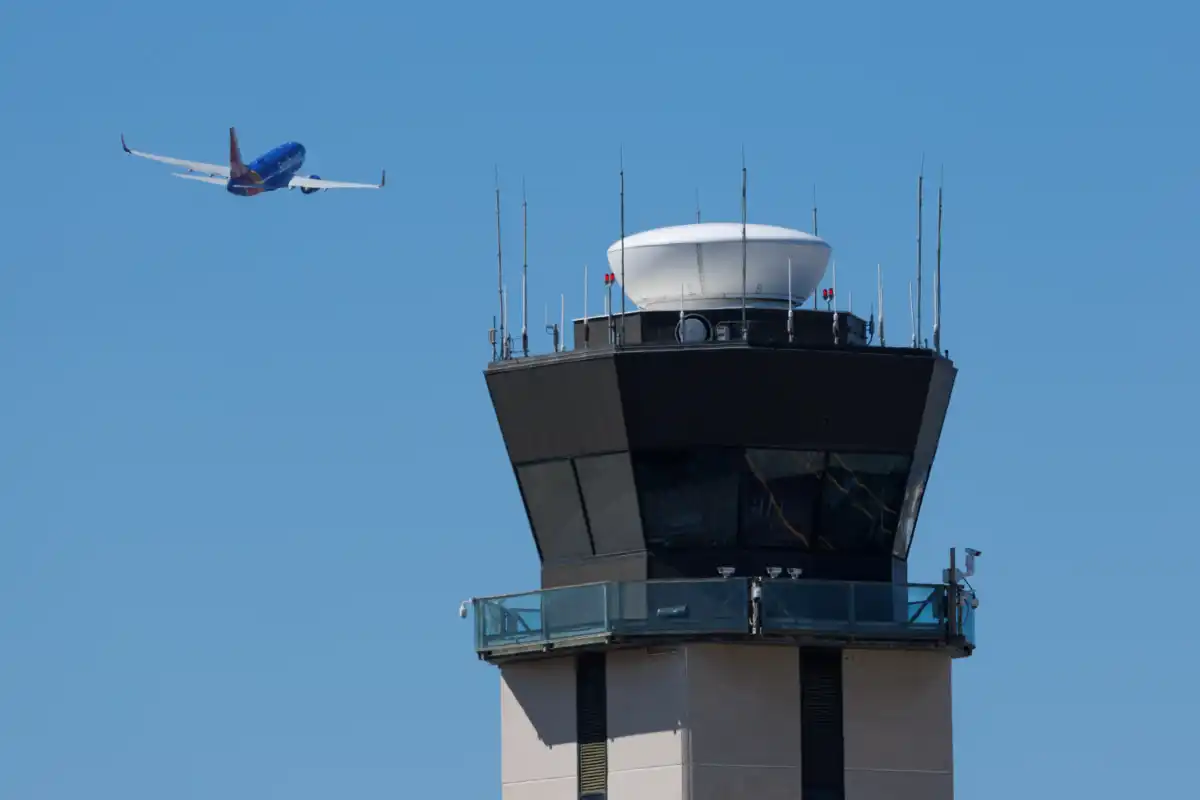
The United States operates the largest and most complex air traffic control system in the world, guiding tens of thousands of flights every day across a vast network of airports, airways, and oceanic routes. At the center of this system sits the Federal Aviation Administration (FAA), an organization responsible for ensuring that aircraft move safely and efficiently through American skies. Yet for more than four decades, the FAA has faced a stubborn challenge that refuses to disappear: persistent staffing shortages among air traffic controllers.
This issue did not appear overnight. Its roots stretch back to one of the most dramatic labor events in American aviation history — the 1981 dismissal of more than 10,000 air traffic controllers following a strike by the Professional Air Traffic Controllers Organization (PATCO). The repercussions of that moment continue to ripple through the system today, influencing hiring patterns, training capacity, workforce demographics, and operational resilience.
Understanding why FAA staffing problems have endured for over forty years requires examining the intricate relationship between training pipelines, retirement waves, evolving technology, and the demanding nature of the profession itself.
The 1981 PATCO Strike That Reshaped Air Traffic Control
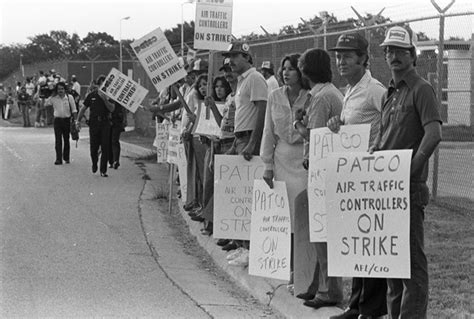
On August 3, 1981, thousands of air traffic controllers walked off the job in an illegal strike organized by PATCO, demanding improved working conditions, higher pay, and shorter workweeks. President Ronald Reagan responded decisively, issuing an ultimatum that controllers return to work within 48 hours or face termination.
When most refused, more than 10,000 controllers were fired, instantly removing a massive portion of the nation’s experienced ATC workforce.
The result was an unprecedented operational shock. According to later testimony by FAA Chief Operating Officer Frank Krakowski, the U.S. controller workforce fell to fewer than 4,700 individuals — a fraction of what was needed to operate the National Airspace System effectively.
The government rushed to rebuild capacity through accelerated hiring and military controller transfers, but the damage to workforce continuity had already been done. Aviation demand continued to grow rapidly through the 1980s, yet the system was forced to operate with a dramatically reduced pool of trained professionals.
The FAA embarked on a massive recruiting effort that would shape the next generation of air traffic control staffing.
Rebuilding the Controller Workforce in the 1980s and Early 1990s
To rebuild the workforce after the strike, the FAA relied heavily on the Mike Monroney Aeronautical Center (MMAC) in Oklahoma City. This facility houses the FAA Academy, where aspiring air traffic controllers undergo intensive classroom instruction and simulation training before entering operational facilities.
Between 1981 and 1992, nearly 28,000 individuals entered the FAA Academy in an attempt to restore staffing levels.
However, the journey from trainee to fully certified controller is far from guaranteed. Of those 28,000 candidates:
- 57% successfully completed the program
- 33% failed to pass
- 10% left the program for other reasons
Even after graduation from the academy, the challenge continued. Trainees assigned to operational facilities had to achieve Certified Professional Controller (CPC) status — a process that can take years.
Certification success rates varied depending on the facility type:
- 72% at Air Route Traffic Control Centers (ARTCCs)
- 84% at terminal facilities such as airport towers and TRACONs
By 1992, the FAA declared the workforce fully staffed again. But beneath that milestone lay a structural problem: most of the newly hired controllers belonged to the same hiring wave, meaning many would retire around the same time decades later.
The seeds of the next staffing crisis had already been planted.
Why Training Air Traffic Controllers Takes So Long
Training an air traffic controller is often compared to mastering a complex orchestra where every instrument represents an aircraft, and the conductor must prevent collisions while maintaining rhythm and flow. The job requires extreme situational awareness, rapid decision-making, and flawless communication.
Unlike many professions, the training cannot rely entirely on textbooks or simulations. Real-world traffic patterns are unpredictable, and controllers must develop instincts that only emerge after prolonged exposure to live operations.
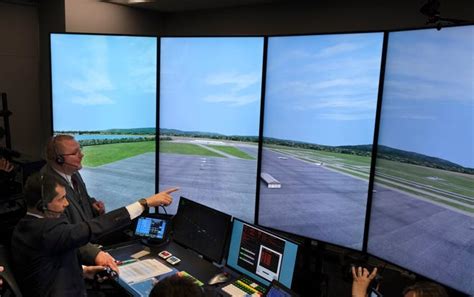
A trainee begins with classroom instruction and simulation exercises at the FAA Academy. After graduation, they move to an operational facility where on-the-job training (OJT) begins under the supervision of experienced controllers.
The process is governed by detailed regulatory frameworks such as:
- FAA Order 3120.4, which outlines how training programs must operate
- FAA Order 7210.634, which governs quality control
- Internal and external compliance evaluations conducted across all service delivery points
Even with these systems in place, the time required to reach certification varies dramatically depending on facility complexity.
Some facilities illustrate the challenge clearly:
| Facility | Location | Staffing Level | Average Training Time | Success Rate |
|---|---|---|---|---|
| N90 | New York TRACON | 51% | 2.56 years | 32% |
| ZNY | New York Center | 60% | 4.40 years | 42% |
| LAX | Los Angeles Tower | 68% | 1.87 years | 61% |
| A80 | Atlanta TRACON | 69% | 1.57 years | 43% |
| ZLA | Los Angeles Center | 70% | 2.95 years | 70% |
These numbers reveal a harsh reality: training success rates can be shockingly low at some of the most complex facilities.
Controllers must be capable of handling roughly 85–90% of operational scenarios, while still possessing the judgment to resolve rare but potentially dangerous situations.
That level of mastery simply takes time.
Retirement Waves and Workforce Forecasting
By the early 2000s, FAA planners recognized another looming problem: the mass retirement of controllers hired after the PATCO strike.
An FAA audit conducted in 2004 estimated that 7,100 controllers would become eligible for retirement between 2004 and 2012. This represented a massive portion of the workforce.
The challenge was compounded by the unique structure of the profession. Air traffic controllers face mandatory retirement at age 56, and many retire as soon as they become eligible due to the stress of the job.
Workforce planners attempted to forecast staffing needs by tracking each trainee’s progress toward certification. Air Traffic Managers at facilities carefully projected how many trainees might qualify the following year and how staffing levels would evolve.
Yet these projections often collided with reality.
Personal circumstances, training setbacks, or career changes frequently altered the trajectory of individual trainees. Even life events — divorce, family illness, or the death of a loved one — could derail the years-long certification process.
In a profession requiring sustained concentration under pressure, human factors cannot be ignored.
The Elusive Science of Predicting Controller Success
One of the most frustrating aspects of air traffic control staffing lies in a simple question: who will succeed in the training pipeline?
For decades, researchers have attempted to identify psychological or cognitive markers that predict success. The FAA’s Civil Aerospace Medical Institute (CAMI) conducted experiments in the 1980s attempting to determine whether specific traits correlated with controller performance.
The results were inconclusive.
Despite modern assessments and aptitude testing, predicting success remains surprisingly difficult.
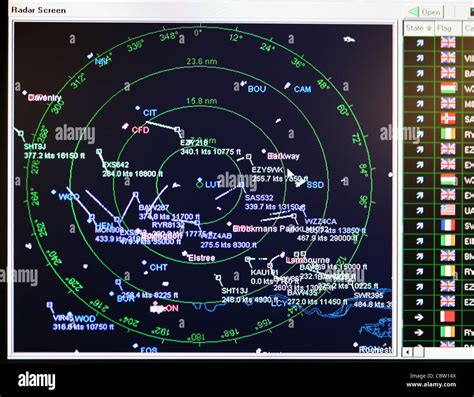
Some candidates with excellent academic scores struggle in real-time operational environments, while others with modest backgrounds excel once exposed to live traffic.
Training failures continue to represent a major bottleneck. By 2024, the failure rate among trainees exceeded 30 percent, according to the Office of the Inspector General.
Even when candidates pass the academy, many later “wash out” during facility training, forcing the FAA to restart the recruitment cycle again.
Retention Bonuses and Emergency Staffing Measures
Faced with mounting shortages, the FAA has occasionally turned to financial incentives to keep experienced controllers in place.
In 2008, officials implemented a 25 percent retention bonus aimed at persuading retirement-eligible controllers to remain in service longer. Similar measures have appeared periodically since then.
The logic is simple: experienced controllers represent an invaluable resource, especially at complex facilities where training new staff can take several years.
But retention bonuses create unintended consequences.
For example, the FAA Academy relies heavily on recently retired controllers to serve as instructors. When retention incentives keep those experts working in operational facilities longer, fewer instructors are available to train new recruits.
This creates a paradox where attempts to solve one staffing problem inadvertently worsen another.
The Role of Technology in the Staffing Debate
Over the past two decades, technological modernization has reshaped many aspects of air traffic control.
One notable example is En Route Automation Modernization (ERAM), a system implemented prior to 2012 that replaced aging computer infrastructure at Air Route Traffic Control Centers. ERAM significantly improved data processing and allowed controllers to manage more aircraft efficiently.
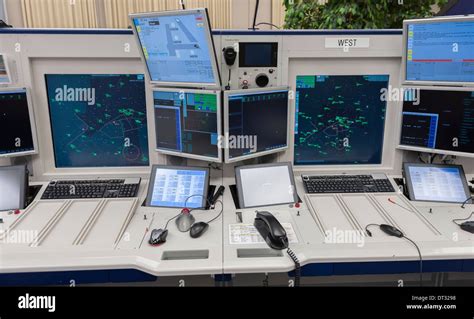
However, technology alone cannot eliminate the need for skilled human operators.
Air traffic control remains a profession where human judgment is essential. Automation can assist with conflict detection and trajectory prediction, but final decisions still depend on trained professionals interpreting complex situations.
The ongoing debate centers on whether technological advances might eventually transform the profession into something different — shifting from direct aircraft control toward traffic management oversight.
Such a transition could fundamentally change staffing requirements.
A Global Shortage of Air Traffic Controllers
The staffing crisis is not limited to the United States. Many aviation systems worldwide face similar challenges in recruiting and training controllers.
Canada’s Nav Canada, often cited as a successful example of privatized air navigation services, also struggles with controller shortages. Despite operating as a non-profit organization funded through user fees, it has encountered similar difficulties maintaining adequate staffing levels.
Europe has experienced disruptions as well, with shortages affecting both state-run and privatized systems.
According to Trish Gilbert, Executive Vice President for the Americas at the International Federation of Air Traffic Controllers’ Associations (IFATCA), shortages are widespread across multiple regions.
She notes that while Asia-Pacific countries appear less affected, staffing gaps remain a major concern across Africa, the Middle East, Europe, and the Americas.
This suggests that the problem is not purely organizational or political. Instead, it reflects the fundamental difficulty of training individuals capable of performing one of the most demanding operational jobs in aviation.
Training Capacity and Instructor Shortages
The FAA’s ability to expand its workforce depends heavily on training capacity — and that capacity has its own limitations.
A 2026 report by the Office of the Inspector General highlighted several obstacles affecting the FAA Academy:
- Limited training slots
- High trainee failure rates
- Shortages of qualified instructors
- Outdated training curriculum
Many instructors are former controllers who prefer to work near their home facilities rather than relocate to Oklahoma City. As a result, the FAA sometimes struggles to recruit enough trainers to meet demand.
Private contractors have attempted to fill the gap. Companies such as Science Applications International Corporation (SAIC) and Peraton have been involved in training programs and support services.
Yet even with outside assistance, scaling the training pipeline remains challenging.
Generational Shifts and Changing Career Expectations
Another factor complicating the staffing puzzle involves changing attitudes toward work among younger generations.
Air traffic control once carried a near-mythical reputation. During the mid-twentieth century, controllers were viewed as elite professionals guiding the expanding jet age.
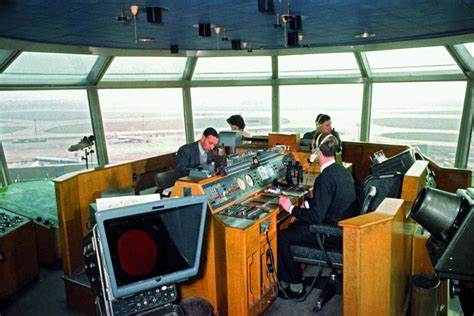
The job demanded discipline, sacrifice, and long hours — values widely embraced in an era shaped by post-war industrial growth and technological optimism.
Today’s workforce operates under very different cultural expectations.
Younger professionals often prioritize work-life balance, flexible schedules, and career mobility. Air traffic control offers excellent pay and benefits, but it also requires rotating shifts, high stress levels, and years of demanding training.
The FAA typically recruits candidates between 21 and 31 years old, meaning the profession depends heavily on Generation Z.
Whether that generation finds the career appealing enough to endure the rigorous training pipeline remains an open question.
Current Staffing Numbers and the Scale of the Challenge
Despite ongoing recruitment efforts, staffing levels remain below targets.
From 2000 through 2024, approximately 27,000 trainees received offers, averaging about 1,422 per year.
Yet the total number of fully certified controllers has declined.
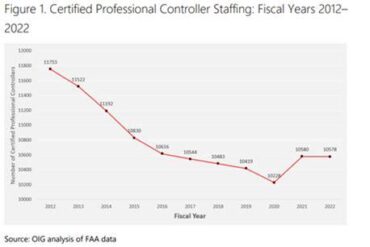
In 2004, the FAA workforce included 14,934 controllers. By 2024, the figure had dropped to roughly 10,500, leaving the system more than 3,000 controllers below target levels.
Even when hiring increases, attrition from retirements and training failures continues to offset gains.
The result is a perpetual balancing act where staffing levels fluctuate but rarely achieve long-term stability.
The Future of Air Traffic Control Staffing
The aviation industry now stands at the edge of transformative technological change. Artificial intelligence, advanced automation, and digital airspace management systems could reshape how aircraft are guided through crowded skies.
Future controllers may spend less time issuing direct instructions and more time managing traffic flows across automated networks.
In that scenario, the profession might evolve from traditional air traffic control toward something closer to system-level traffic management.
This transition would require new skill sets, new training methods, and perhaps entirely new recruitment strategies.
But until such systems mature, the FAA must continue balancing technology, training, and human expertise to keep the National Airspace System functioning safely.
Conclusion: A Workforce Challenge Decades in the Making
The FAA’s staffing crisis did not emerge suddenly. It developed through a complex chain of historical events, demographic shifts, training bottlenecks, and technological transitions.
The 1981 PATCO strike created the initial shock. The subsequent rebuilding of the workforce produced a generational wave of controllers who would eventually retire around the same time. Training pipelines struggled to keep pace with attrition, while the unpredictable nature of human performance complicated recruitment strategies.
Today, more than four decades later, the system continues searching for equilibrium.
Retention bonuses, expanded hiring, and technological modernization have helped stabilize operations, but none have fully solved the problem. Air traffic control remains one of the most demanding professions in aviation — a job that requires rare cognitive abilities, relentless focus, and years of training.
Until the industry discovers a more efficient way to identify, train, and retain the right individuals, staffing challenges will likely remain a defining feature of the FAA’s operational landscape.
And in a world where global air traffic continues to grow, solving that puzzle may prove just as critical as any technological breakthrough in aviation history.