On a recent Air Canada flight from Vancouver to Montreal, a commercial airline pilot took an extraordinary step by addressing passengers with a candid intercom message that laid bare his frustrations over ongoing air traffic controller shortages plaguing Canadian airports. In a move that was both unorthodox and strikingly honest, the pilot urged travelers to contact their Members of Parliament (MPs) and demand immediate action on the chronic staffing issues affecting airport efficiency nationwide.
The announcement, partially recorded by a CBC journalist on board, revealed a 50-minute delay and illuminated a problem that has been festering within the country’s aviation sector for months. The pilot did not mince words, pointing a direct finger at Nav Canada, the private company responsible for air traffic services, for what he described as mismanagement and deliberate undertraining.
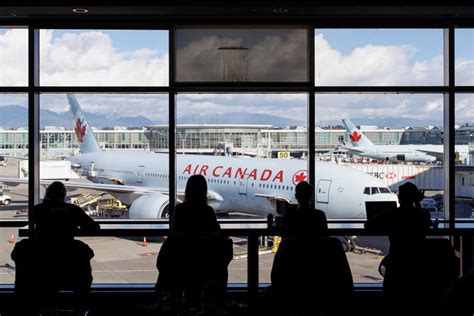
Pilot’s Unfiltered Message Breaks Convention and Ignites Public Attention
“It’s very annoying,” the pilot announced over the intercom, his tone echoing the exasperation of countless air travelers and airline professionals. “It costs the company a lot of money. It costs business people a lot of money, and it would be great to have this addressed.”
His message was more than just a complaint—it was a call to civic action. He continued by suggesting that passengers should write to their MPs, advocating for systemic reform to address the delays. The pilot went further, making a controversial claim that Nav Canada was intentionally limiting the intake of new air traffic controller trainees, thus ensuring the continued necessity of overtime pay for existing staff.
“Please write your MP and let them know what’s going on and how it’s affecting your business or your leisure plans,” he said. The tone was stern, the intent unmistakable.
Systemic Shortage Hits Canada’s Air Travel Network
The pilot’s statement is reflective of a larger national issue that has left passengers stranded, flights delayed, and airline schedules in disarray. Over the past several weeks, delays at Vancouver International Airport (YVR) have escalated, with dozens of flights either delayed or cancelled due to what Nav Canada has described as “resource constraints.”
Air Canada confirmed that these staffing shortages have impacted their operations significantly. A spokesperson acknowledged the disruptions, stating that the company had been working under Nav Canada-imposed restrictions for an extended period.
Nav Canada Pushes Back Amid Growing Criticism
In response to the allegations, Nav Canada firmly denied any claims of deliberate obstruction in training pipelines. A spokesperson described the training environment as “complex,” especially in cities like Vancouver, where intricate airspace and dense flight schedules demand high levels of precision and skill.
“We currently have close to 500 students within our training programs today,” the spokesperson said. “By 2028, we expect the total number of students who will have entered Nav Canada’s training program to be approximately 1,500.”

They added that nearly 40 air traffic controller licences had been issued in Vancouver alone in the past year—a sign, they argue, of progress. However, industry insiders and airline executives are skeptical.
Industry Leaders Echo the Alarm
Tim Perry, President of the Air Line Pilots Association, voiced support for the pilot’s concerns while emphasizing that the issue stems not from individual controllers but from the system as a whole.
“If we need more people at work, let’s direct our collective attention to doing that,” Perry stated. “We really need to look to the future, work collaboratively with all the stakeholders—that means government, that means labour representatives, and it means employers.”
This sentiment is echoed by Teara Fraser, CEO of Iskwew Air, an Indigenous-owned airline offering short-haul flights between Vancouver and Vancouver Island. Fraser revealed that her company faces daily delays, even for flights as short as 25 minutes.
“We’re getting delays of anywhere between 20 minutes and two hours,” she said. “When you are operating a 20-25 minute flight, that’s significant.”
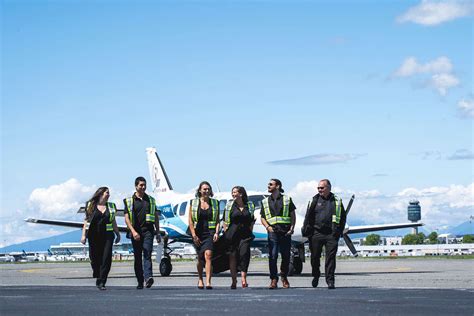
She criticized the federal government for what she perceives as a lack of commitment to adequately fund the aviation infrastructure and service providers.
Consequences Ripple Through Every Layer of Travel
What makes this staffing crisis particularly dangerous is its cascading impact on the entire travel ecosystem. Delays cause passengers to miss connections, airlines to reallocate scarce resources, and ground services to function in overdrive. Business travelers miss meetings; families miss milestones. The ripple effect is far from just an inconvenience—it has economic consequences that spread across sectors.
Passengers have taken to social media to voice their outrage, citing hours-long delays and last-minute cancellations that throw plans into disarray. For many, the pilot’s directness was not only welcome but overdue.
Political Inertia Fuels Industry’s Frustration
Despite growing pressure from the aviation industry, there has been little visible movement from the federal government to address the staffing shortages. While Nav Canada is technically a private entity, its role as a monopoly in air navigation services puts it under the scrutiny of public accountability.
Airline executives and union representatives have repeatedly called for greater federal oversight, especially as the number of air travelers returns to and even exceeds pre-pandemic levels. Airports such as Toronto Pearson and Vancouver International are now operating at near-full capacity, yet the systems meant to guide their traffic remain understaffed and overburdened.
Training Bottlenecks and High Attrition Rates
Training air traffic controllers is a multi-year process, involving rigorous classroom education, simulation drills, and on-the-job mentorship. According to Nav Canada, each candidate undergoes evaluation by a multidisciplinary panel before being cleared—or dismissed—from the program. However, insiders claim that attrition rates are high, and that the filtering process is not always transparent.
The complexity of Canadian airspace, particularly in urban centers like Vancouver and Toronto, means that only a subset of trainees make it to certification. Some aviation experts argue that insufficient investment in modernizing training infrastructure and poor workforce planning are to blame for the persistent backlog.
A Pilot’s Plea Becomes a Rallying Cry
The Air Canada pilot’s appeal has brought a new level of visibility and urgency to an issue that has long simmered beneath the radar. Passengers often accept delays as part of the flying experience, rarely given insight into the machinery—or the personnel—behind the scenes.
But this public act of advocacy has changed that narrative. It has placed Nav Canada and the federal transportation ministry under a spotlight, with renewed calls for transparency, reform, and most importantly, action.
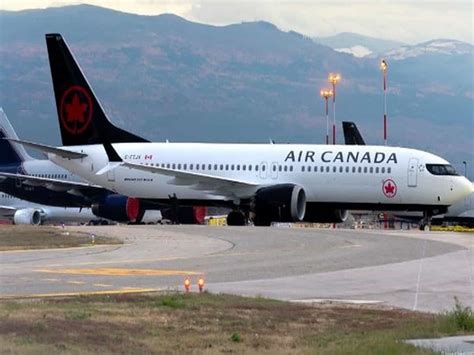
Whether the pilot’s plea will lead to political traction remains to be seen. But it has already sparked national conversation, galvanized public opinion, and underscored a growing rift between frontline aviation professionals and those charged with supporting them.
Conclusion: The Sky’s Limit Depends on Ground-Level Decisions
Canada’s aviation system, once a global benchmark for efficiency and safety, is now confronting a pivotal moment. The issue is no longer just about customer satisfaction—it is about capacity, sustainability, and resilience. As air travel demand climbs and global competition intensifies, the country cannot afford to be held back by bureaucratic inertia or inadequate staffing models.
The frustrated voice of one pilot, amplified across the nation, has become a symbol of broader industry anguish. And unless decisive action is taken—by Nav Canada, by the federal government, and by all stakeholders involved—the delays will persist, and the consequences will multiply.
Until then, passengers may want to follow that pilot’s advice and start writing to their MPs.