Air traffic control is one of the most mentally taxing professions in modern society. While air travel thrives on efficiency and safety, it is often maintained at the expense of the human beings behind the radar screens and radio headsets. A lingering question within aviation circles, particularly among those working in control towers and radar facilities, is whether air traffic controllers tend to have a lower life expectancy after retirement. Though scientific data is scarce, compelling anecdotal evidence and occupational health analysis bring clarity to this persistent belief.
The Anecdotal Pattern: A Culture of Concern
We acknowledge that there is no formal peer-reviewed study that quantifies the post-retirement lifespan of air traffic controllers. Yet across aviation forums, Reddit threads, union discussions, and personal testimonies, one unsettling narrative consistently emerges: many retired air traffic controllers reportedly do not live far beyond their retirement date. This observation, though anecdotal, is widespread enough to deserve analytical attention.
Multiple current and former controllers have shared personal experiences of coworkers and mentors passing away within 5 to 10 years of retirement. These stories often involve sudden cardiac events, such as heart attacks and strokes, sometimes occurring shortly after individuals leave the job. Some stories are even more tragic—controllers dying alone at home, unnoticed for days, further underscoring the social isolation that can accompany this profession.
The Physiological Toll of the Tower
At the root of the early death speculation lies the cumulative physiological and psychological stress inherent to the profession. Air traffic controllers are required to maintain hyper-focused attention during every shift, with the knowledge that even a minor lapse could result in catastrophic consequences. This burden is carried for decades.
We understand from health data that chronic stress is a contributor to a range of medical conditions:
-
Hypertension
-
Cardiovascular disease
-
Chronic fatigue syndrome
-
Anxiety and depression
Controllers report being subjected to rotating shift schedules, working nights, weekends, and holidays. This disrupts circadian rhythms and can lead to chronic sleep deprivation, which in turn degrades mental performance and exacerbates health risks. The body’s biological clock, when routinely overridden, begins to fail in regulating essential functions like blood pressure, digestion, and hormone levels.
Lifestyle and Habits Shaped by the Job
Despite working in a high-responsibility role, many controllers fall into poor health habits shaped by the demands of their schedules. Fast food becomes a norm due to short meal windows. Caffeine consumption is rampant to counteract fatigue. For some, alcohol becomes a coping mechanism. And the sedentary nature of control room operations, where movements are limited to headset adjustments and keyboard inputs, often leads to limited physical activity.
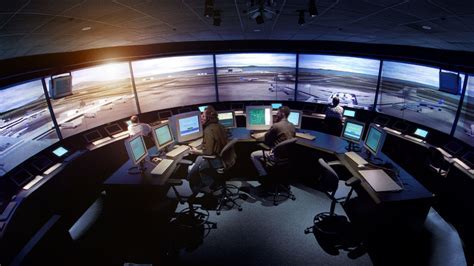
Efforts to pursue healthier routines—like going to the gym or maintaining a balanced diet—are consistently reported as challenging, due to shift unpredictability and exhaustion. Even when controllers attempt to course-correct, the systemic barriers are immense.
Mental Health Pressures and Underreporting
Equally troubling is the tendency among air traffic controllers to avoid reporting mental or physical health issues. The fear is well-founded: disclosing symptoms of depression, anxiety, or chronic illness can result in temporary grounding or permanent loss of certification. This leads many to suppress their symptoms, self-medicate, or hide deteriorating health from both supervisors and families.
In professional aviation culture, admitting weakness is often seen as a risk to one’s job security. This mentality discourages early intervention and fosters a silent progression of health decline. Over time, these hidden burdens compound the likelihood of severe health outcomes in the years following retirement.
Social Isolation and Work-Life Imbalance
The human element of this profession extends beyond physical ailments. Many air traffic controllers cite strained relationships with partners, children, and friends. Shift work often makes it nearly impossible to attend family gatherings, maintain friendships, or engage in consistent social rituals. Retirement can feel not like liberation, but like being suddenly untethered from the only structured environment they’ve known for decades.
Controllers who enter retirement without a strong personal support system or outside interests may experience psychological withdrawal, leading to depression, loneliness, and a diminished sense of identity. These emotional stressors, left unaddressed, can further compromise longevity.

The Gallows Humor Coping Mechanism
One prevalent cultural theme among air traffic controllers is gallows humor—a dark, often sarcastic tone used to process the pressures of the job. Phrases like “we’re dead on the inside before retirement” or “the tower kills you before the grave does” are not uncommon in locker rooms and online forums.
While some dismiss this as harmless venting, we interpret it as a critical window into workplace culture and psychological health. If humor is the last defense against stress-induced collapse, the line between resilience and burnout may already be crossed.
Hopeful Exceptions and Health Resilience
Not every air traffic controller succumbs to early retirement decline. A number of retirees report being alive and active well into their 60s, 70s, and even 80s. These individuals often share common traits:
-
Early adoption of exercise routines
-
Healthy eating habits despite shift work
-
Strong family or community ties
-
Engagement in fulfilling post-retirement activities
In one testimony, a retired controller jokes that he checks to make sure he’s still breathing every morning—and so far, the odds are in his favor. While such stories are reassuring, they are the exceptions rather than the rule. What they do demonstrate is that proactive health decisions—made early in one’s career—can be protective.

The Data Gap: A Call for Research
Perhaps the most significant insight is not what we know, but what we don’t. There remains no large-scale epidemiological study tracking the life expectancy of air traffic controllers versus the general population. Aviation authorities, labor unions, and public health institutions should treat this as an area of urgent occupational research.
With the U.S. Federal Aviation Administration (FAA) and International Civil Aviation Organization (ICAO) placing high emphasis on air safety, the well-being of those ensuring that safety must be prioritized. Longitudinal studies could identify early intervention points, occupational reform opportunities, and protective practices that can help air traffic controllers live longer, healthier post-retirement lives.
Conclusion: Beyond the Radar Screen
The life expectancy of air traffic controllers may remain uncertain in numeric terms, but the patterns emerging from qualitative evidence are hard to ignore. The job’s demands on the human body and mind are profound and far-reaching. Controllers absorb a lifetime of stress in a few decades of service—and often carry the hidden scars of responsibility into retirement.
Our collective challenge is not just to keep skies safe, but to ensure that those guiding aircraft home also find their own safe landing—in retirement, in health, and in life.
Frequently Asked Questions
Do air traffic controllers have a lower life expectancy than average workers?
There is no conclusive scientific study confirming this, but widespread anecdotal reports suggest a trend of early mortality after retirement, potentially due to chronic stress, sleep disruption, and poor lifestyle habits associated with the profession.
What are the primary health risks for air traffic controllers?
Air traffic controllers face elevated risks of hypertension, heart disease, depression, and sleep disorders, all linked to their high-stress, sedentary work environment and irregular shift schedules.
Can air traffic controllers take steps to improve their health outcomes?
Yes. Early and consistent habits such as regular exercise, balanced nutrition, sleep hygiene, and psychological support can significantly reduce health risks. Maintaining social ties and engaging in post-retirement activities also contributes to longer, healthier lives.