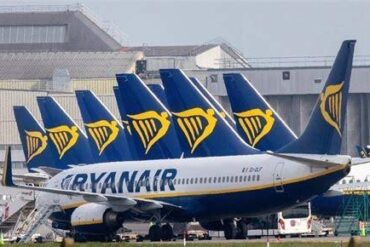
Ryanair, one of Europe’s largest low-cost airlines, has recently raised a public call for the Portuguese government to address the ongoing staffing issues at key airports across Portugal. The company specifically highlights the serious delays caused by insufficient border control staff at Faro, Lisbon, and Porto airports, which have led to significant passenger disruptions. This situation has escalated to the point where passengers are facing delays of up to 2.5 hours, severely affecting their travel experience and in some cases, causing them to miss flights. In a statement issued by the airline, Ryanair emphasized the need for immediate government intervention to resolve the issue before the peak summer travel season begins.
Background: Ryanair’s Complaint About Staff Shortages
Ryanair has made it clear that the problem has reached a critical point. According to the airline, between May 26 and June 9, more than 270 passengers missed their flights due to excessive delays at border control. These delays, which are primarily caused by staff shortages, have led to frustration among travelers, especially those traveling with young children. The airline has been vocal about the fact that the current staffing situation is unacceptable, urging the newly formed Portuguese government to take immediate action to ensure that border control processes are adequately managed.
Impact on Passengers: Long Queues and Missed Flights
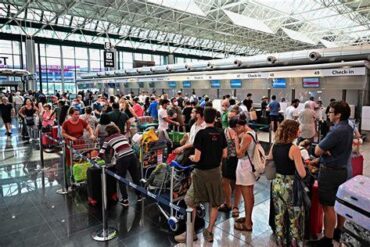
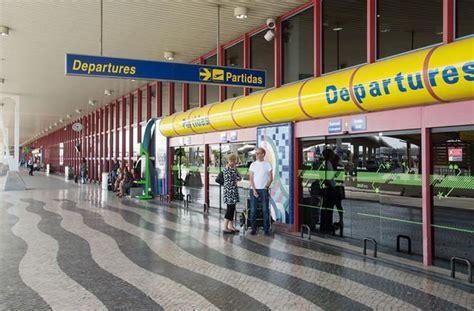
The heart of Ryanair’s complaint revolves around the long queues passengers are forced to endure at border control. Passengers traveling through Faro, Lisbon, and Porto airports are being subjected to waits of up to 2.5 hours, which is particularly problematic during busy travel times, such as mornings when flights are in full swing. The delays are not just a minor inconvenience; they are disrupting travel plans, forcing passengers to miss their flights and causing significant frustration for families and other travelers. Ryanair has been especially critical of these delays, citing the negative impact on families with young children, who are especially vulnerable to the stress caused by such extended waiting times.
The Role of ANA: Airport Operator’s Responsibility
At the core of these issues lies the role of ANA, the airport operator responsible for managing the day-to-day operations at Portugal’s busiest airports. Ryanair’s chief operating officer, Neal McMahon, has specifically pointed to ANA’s failure to ensure adequate staffing levels at border control as the primary cause of these delays. The airline has pointed out that ANA has not been proactive in hiring enough staff to manage the increasing passenger traffic, and this has led to widespread inefficiencies at the airports. This failure to anticipate and address staffing needs, especially during peak travel seasons, has been a major point of contention.
The Specific Impact on Lisbon, Faro, and Porto Airports
Lisbon, Faro, and Porto airports are some of the most important hubs for both domestic and international travel to and from Portugal. These airports see tens of thousands of passengers daily, particularly during the summer months when tourism to Portugal reaches its peak. The fact that such a large number of passengers have missed flights over a relatively short two-week period only underscores the severity of the situation. It is clear that, without a concerted effort to address the staffing shortages, these issues are likely to worsen, particularly with the expected rise in passenger numbers during the summer.
Government’s Role: A Call for Urgent Action
Ryanair’s plea is a direct appeal to the newly formed Portuguese government to take action before the peak summer season begins. As the summer months approach, the pressure on airports will only intensify, and if the staffing shortages are not addressed, it is likely that more passengers will be forced to endure delays, miss flights, and experience unnecessary stress during their travels. Ryanair has called for urgent government intervention to ensure that the staffing issues at Faro, Lisbon, and Porto airports are resolved, particularly during the critical morning hours when traffic is at its highest.
The airline has emphasized that this issue is not just a matter of passenger inconvenience but one that could potentially have broader economic ramifications for Portugal’s tourism industry. With Portugal being one of Europe’s top travel destinations, any disruptions at its major airports could have a ripple effect on the economy, particularly if travelers begin to avoid the country due to concerns about delays and inefficiencies at airports.
Ryanair’s Solution: More Staff, Better Coordination
To prevent further disruptions, Ryanair has suggested that the Portuguese government must take immediate steps to boost staffing at the affected airports. This includes increasing the number of border control agents, particularly during peak hours, and ensuring that the airports have sufficient resources to manage the expected influx of travelers during the summer months. The airline has also suggested better coordination between airport authorities and airlines to ensure smoother operations at border control, which would help alleviate the long waits that passengers are currently experiencing.
The airline’s message is clear: without immediate action, the situation at Portugal’s airports will continue to deteriorate, and travelers will face further hardships. Ryanair’s commitment to providing a seamless travel experience hinges on having efficient airport operations, and the airline is now turning to the government to help make this a reality.
Consequences for Portugal’s Travel Industry
The consequences of not addressing the staffing shortages at Portugal’s airports go beyond just the inconvenience for travelers. Portugal’s tourism industry relies heavily on air travel, with millions of visitors arriving each year to experience the country’s rich culture, stunning landscapes, and vibrant cities. If the current issues persist, it could discourage tourists from booking flights to Portugal, leading to a downturn in tourism revenue. The ripple effect could be felt across various sectors of the economy, from hospitality to transportation, making it clear that the government must act quickly to resolve these issues.
Conclusion: A Call for Immediate Action
As the summer travel season approaches, Ryanair’s call for action is more urgent than ever. The airline is asking for the Portuguese government to intervene and ensure that border control at Faro, Lisbon, and Porto airports is properly staffed, so passengers can enjoy a smooth and hassle-free travel experience. Failure to address this issue could result in even more missed flights, greater inconvenience for travelers, and potential damage to Portugal’s reputation as a top travel destination. The time for action is now.