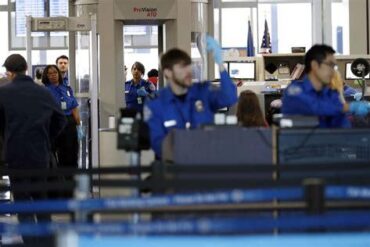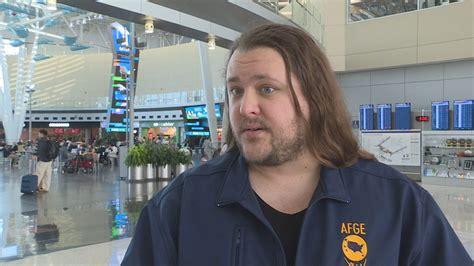
The prolonged U.S. government shutdown has created a widening ripple effect across the country, and few sectors illustrate the crisis more clearly than airport security. As thousands of Transportation Security Administration (TSA) officers continue working without pay, celebrity news outlet TMZ has launched a controversial public campaign: encouraging viewers to photograph lawmakers who leave Washington for vacation while the crisis continues.
The move reflects growing frustration with the political stalemate that has left tens of thousands of federal employees in financial limbo. While Congress debates funding solutions, frontline workers responsible for maintaining airport security are being asked to report to duty despite receiving no paychecks for more than 40 days. The result has been a visible strain on the nation’s aviation infrastructure and the livelihoods of those tasked with protecting it.
The Shutdown’s Growing Toll on Airport Security
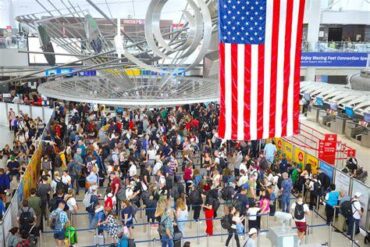
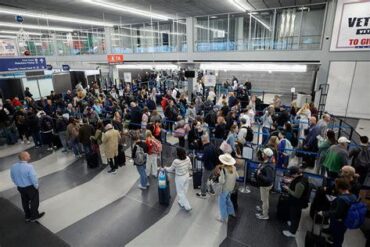
The shutdown, triggered by disagreements in Congress over a Department of Homeland Security funding package, has pushed the TSA into one of the most difficult operational periods in its history. With roughly 50,000 TSA officers missing paychecks, absenteeism has increased across major airports, leading to staffing shortages and dramatically longer screening lines.
Passengers arriving at several U.S. airports have encountered security queues stretching far beyond the checkpoint areas and, in some cases, extending outside terminal buildings. These conditions have slowed passenger processing to a crawl and raised concerns about how long the system can maintain normal operations without restored funding.
For TSA employees themselves, the consequences extend far beyond workplace stress. Many officers rely on regular pay cycles to cover essential expenses such as rent, food, childcare, and transportation. Without those paychecks, workers have been forced to seek alternative ways to stay afloat.
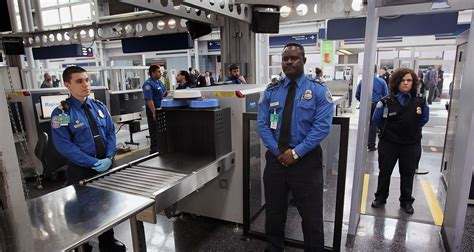
Reports from multiple media outlets reveal the depth of the hardship. Some officers have taken second jobs, others have temporarily moved into their cars to save money, and several have reportedly turned to selling plasma or blood donations to generate short-term income. While federal policy ensures employees will eventually receive back pay once the shutdown ends, the immediate financial pressure has already pushed many families to the brink.
TMZ Calls on the Public to Track Vacationing Lawmakers
Against this backdrop, TMZ has adopted an unusually aggressive editorial stance. The outlet publicly invited its audience to send photos or videos of senators and lawmakers vacationing during the congressional recess while the shutdown continues.
According to the outlet’s announcement, contributors who spot elected officials enjoying leisure trips should send evidence through direct messages. TMZ claims it will handle the rest, implying the images could be published to highlight perceived political hypocrisy.
The request is designed to draw attention to what critics describe as a disconnect between lawmakers and federal workers who remain on duty without pay. While members of Congress continue negotiations behind closed doors, the optics of vacation travel during a national shutdown have become politically sensitive.
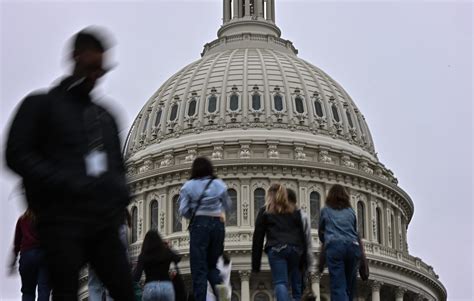
The tactic has sparked intense debate across media and political circles. Supporters argue that public accountability is justified, especially when essential government employees are enduring financial hardship. Critics, however, warn that the approach risks turning political disagreement into a public spectacle driven by viral outrage.
Regardless of opinion, the call for citizen-captured photos highlights the growing frustration surrounding the shutdown’s duration and the lack of visible progress in negotiations.
Human Consequences for TSA Workers
Beyond political messaging, the shutdown’s human toll continues to expand. Hundreds of TSA employees have already resigned, unable to sustain months without reliable income. Aviation experts warn that continued departures could create long-term staffing shortages even after the shutdown ends.
Community organizations have stepped in to fill the gap where possible. In Atlanta, the Atlanta Community Food Bank distributed food supplies to hundreds of TSA families facing immediate financial stress. Similar support initiatives have emerged near Baltimore/Washington International Thurgood Marshall Airport, where local business groups helped provide food assistance to affected workers.

These relief efforts illustrate the scale of the problem. When federal employees must rely on food banks despite holding essential national security positions, the shutdown’s impact becomes impossible to ignore.
The strain also extends to travelers. According to reports cited by major outlets such as USA Today, airport wait times during the shutdown have reached some of the longest levels ever recorded by the TSA. With staffing levels dropping toward 40–50 percent of normal capacity, operational delays have become unavoidable at several large airports.
Why the Shutdown Continues
The core issue behind the shutdown remains a deep political divide over immigration policy and federal funding priorities. Negotiations between Democrats and Republicans have stalled over allocations for border enforcement agencies including Customs and Border Protection and Immigration and Customs Enforcement (ICE).
Republican leaders argue that stronger border funding is necessary for national security, while Democratic lawmakers have pushed for policy reforms tied to immigration enforcement before approving additional funds. Each side accuses the other of negotiating in bad faith, leaving a comprehensive spending bill out of reach.
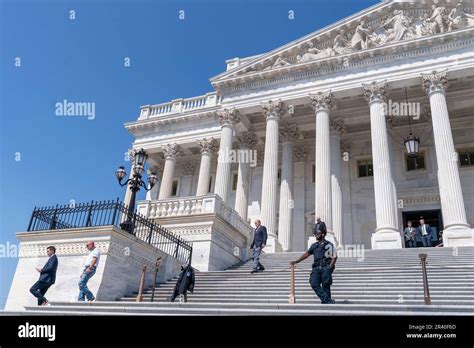
Economic analysts warn that a prolonged shutdown could affect broader economic indicators, including gross domestic product growth. Government agencies operating without full funding face delayed projects, disrupted services, and a workforce under extraordinary financial stress.
A Crisis That Extends Beyond Politics
The call from TMZ to expose vacationing lawmakers reflects the broader frustration felt by federal workers and the public alike. While the tactic may be controversial, it underscores a deeper truth about the shutdown: political stalemates rarely remain confined to Washington.
Instead, they ripple outward, affecting airport security lines, airline operations, federal employees, and millions of travelers passing through American airports. Until Congress reaches a long-term funding agreement and the president signs it into law, those consequences are likely to continue.
For the TSA officers keeping checkpoints running without pay, the debate is not abstract policy. It is a daily test of financial endurance—and a reminder that the nation’s aviation security system ultimately depends on the people standing behind the scanners.