The landscape of luxury travel in the Asia Pacific region is experiencing a significant transformation as we step into 2025. High-net-worth (HNW) travelers from countries such as Australia, Singapore, India, Indonesia, South Korea, Japan, and Thailand are adopting a fresh philosophy regarding their travel experiences. A recent report from Marriott International’s Luxury Group, titled “The Intentional Traveler,” reveals that affluent travelers are increasingly prioritizing wellness, personalization, and cultural immersion over mere extravagance. This shift indicates a deeper engagement with travel, where intentionality and emotional value now guide decision-making. A survey conducted among 1,750 of Asia Pacific’s wealthiest travelers from March to April 2025 highlights an emerging trend of purposeful travel—one where every aspect of the journey, from destination choice to experiences, is meticulously considered to align with personal values and well-being. This change transcends luxury for the sake of opulence; it embodies a quest for meaning, connections, and wellness.
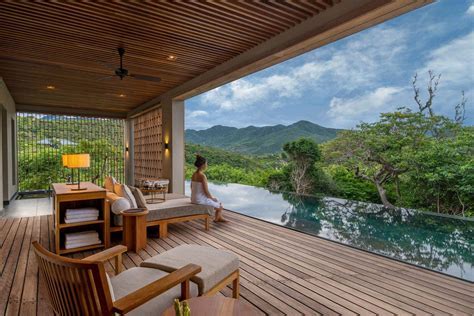
In 2025, wellness is no longer merely a luxury add-on; it has become a primary factor in trip planning. The report indicates that 90 percent of travelers now deem wellness experiences essential when booking their trips, marking a significant rise from 80 percent in the previous year. Travelers are seeking holistic experiences that nurture both mind and body, venturing beyond traditional spa retreats. Experiences such as forest immersions, nutrition programs, sound healing, and sleep therapies are capturing the interest of these discerning travelers, with Asia emerging as the top destination for wellness journeys. Notably, 26 percent of affluent travelers are prioritizing wellness retreats for their upcoming travels, signaling a shift towards a vacation style that emphasizes both physical and mental well-being. Destinations throughout Asia are positioning themselves as wellness hubs, with tranquil forests in Japan, wellness-focused resorts in Thailand, and the serenity of Bali’s holistic offerings attracting those eager to unwind, rejuvenate, and engage in meaningful self-care.
As these travelers become more selective about their expenditures, there is a marked trend toward quality over quantity. The report reveals that 72 percent of high-net-worth travelers intend to increase their spending on high-end travel in the coming year, with regions like Australia (85 percent), Indonesia (81 percent), and Singapore (80 percent) leading the charge. Family travel is emerging as a primary focus for splurging, with 47 percent of HNW travelers citing family vacations as their top spending priority for 2025. For these travelers, luxury transcends opulent accommodations; it also encompasses trust in brands that deliver consistent, high-quality service. Established luxury hotel brands are witnessing a surge in demand as travelers express a preference for them over independent villas or private retreats. Travelers are keen on experiences that are thoughtfully curated, featuring meticulous attention to detail and impeccable service, fostering a sense of confidence and security in their choices.
A compelling trend identified in the report is that a significant majority of luxury travelers in Asia Pacific are opting to revisit destinations that hold personal significance. An impressive 93 percent of high-net-worth travelers prefer returning to beloved locales, showcasing a deeper emotional connection to these places. For many, these repeat visits serve not merely as opportunities for relaxation but as chances to reconnect with local communities or rediscover cherished memories alongside loved ones. This notion of “purposeful returns” is central to the evolving luxury travel mindset, as travelers seek to delve deeper into their favorite destinations rather than merely visiting them once. However, new destinations are also gaining traction among luxury travelers, with emerging markets such as Bangladesh, New Zealand, and Cambodia becoming increasingly popular. Although these countries may be less traditional compared to long-standing favorites like Australia or Japan, they offer travelers the chance to explore novel cultures, landscapes, and experiences—all conveniently accessible for regional adventurers.
As the nature of luxury travel continues to evolve, so do preferences regarding trip duration and frequency. There is a noticeable trend toward more intentional and immersive experiences. Luxury travelers are booking fewer trips, yet each one is more meticulously planned. Stays are elongating from three to four nights, and itineraries are being crafted with heightened precision. An astounding 93 percent of respondents in the survey expect their travel experiences to be highly personalized, while 62 percent plan every detail of their trips well in advance. Nature is increasingly influencing luxury travel choices, with many travelers gravitating toward experiences that allow them to connect with the natural world. A notable 28 percent of high-net-worth travelers are planning rural escapes, an increase from 19 percent last year, and 30 percent are booking wildlife safaris. The desire to immerse oneself in nature is now a paramount consideration, with 92 percent of travelers listing it as a key factor in their travel decisions.
The report also sheds light on how traditional travel dynamics are shifting. One prominent trend is the rise of solo parents traveling with their children, now constituting 24 percent of luxury travelers, a jump from 15 percent the prior year. These travelers seek enriching itineraries that cater to both their personal needs and those of their children, ranging from educational trips to wildlife safaris. In contrast, Gen Z travelers—dubbed Impact Explorers—are placing a premium on nature, adventure, and cultural engagement. They are increasingly drawn to destinations like Australia, Sri Lanka, and Thailand, motivated by opportunities for personal growth and exploration. Solo travel is also gaining momentum among this generation, with many seeking independence and avenues for self-discovery.
As we look to the future, the trends emerging in Asia Pacific’s luxury travel market for 2025 are unmistakable: travelers are now in pursuit of more meaningful and personalized experiences that resonate with their values. Wellness, intentionality, and a deeper connection to nature are no longer mere luxuries; they have become essential components of the new luxury travel experience. As the region continues to redefine what it means to travel in style, one fact stands out: the future of luxury travel will transcend opulence; it will emphasize purpose, human connections, and meaningful experiences.