San Francisco International Airport is rapidly transforming into the most ambitious transpacific gateway in the United States, and United Airlines is driving that expansion with remarkable speed. While many global airlines continue focusing on traditional powerhouse routes linking major capitals, United is building something far more dynamic at SFO: a sprawling long-haul network designed not only for business traffic, but also for adventure travelers, premium leisure demand, and secondary Asia-Pacific markets once considered too niche for nonstop service.
The latest example is United’s bold new nonstop route between San Francisco and Sapporo, Japan, a service that signals just how aggressively the airline is redefining transpacific travel from the West Coast. More importantly, the route elevates United’s San Francisco hub to an extraordinary milestone: 19 Asia-Pacific destinations served from SFO.
Rather than merely adding frequencies to already crowded international corridors, United is targeting destinations with distinct travel demand profiles. Sapporo perfectly captures this strategy. Known globally for deep powder snow, winter sports culture, seafood, ramen, and the iconic Sapporo Snow Festival, the city sits far outside the traditional route map of most US airlines. Yet United believes enough premium leisure and connecting demand exists to support direct service from California.
That confidence reflects a broader transformation happening inside United’s Pacific network strategy.
United’s New Sapporo Route Brings Hokkaido Closer Than Ever
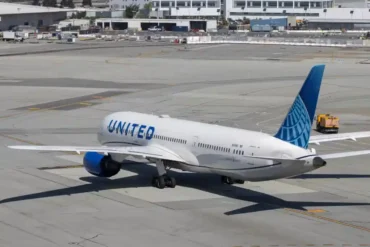
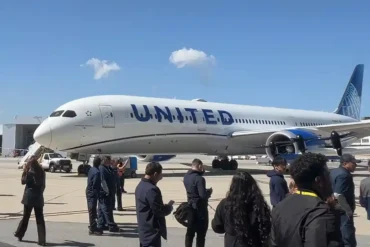
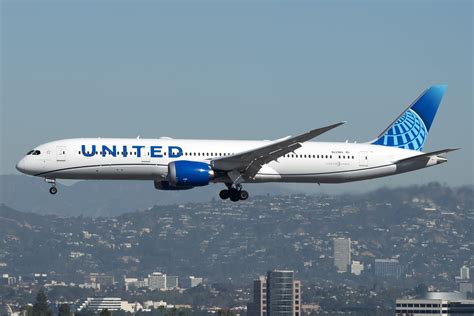
Beginning December 11, United Airlines will operate the first-ever nonstop flights between the continental United States and Sapporo. The service will run three times weekly through March 26, 2027, using the airline’s long-range Boeing 787-9 Dreamliner fleet.
The route is specifically tailored for winter tourism demand, a relatively unusual concept in ultra-long-haul aviation where airlines traditionally prioritize summer leisure traffic. United is betting heavily on Hokkaido’s growing international appeal, especially among travelers seeking ski vacations beyond the crowded slopes of Europe or Colorado.
The timing is strategic. Japan continues experiencing surging inbound tourism, and Hokkaido has emerged as one of Asia’s most desirable cold-weather destinations. Resorts around Niseko and other ski regions have become magnets for affluent international visitors, especially from North America and Australia.
United’s schedule also reveals the route’s broader importance beyond simple point-to-point demand. The airline intends for San Francisco to act as a giant funnel, feeding passengers from nearly 80 US cities into Sapporo flights. Instead of relying solely on Bay Area travelers, United can tap its massive domestic network to support the service year-round during the winter season.
The operational structure is carefully optimized for connectivity. Flights depart San Francisco in the late morning and arrive in Japan the following afternoon, while return flights from Sapporo land back in California early enough to support onward domestic connections.
That level of coordination underscores how deeply integrated SFO has become within United’s international strategy.

San Francisco Has Become United’s Most Important Pacific Gateway
For decades, Los Angeles dominated discussions about transpacific aviation in the United States. Its geographic position, massive population base, and entertainment industry ties made it the natural gateway to Asia. But United is steadily reshaping that narrative by concentrating extraordinary long-haul capacity at San Francisco International Airport.
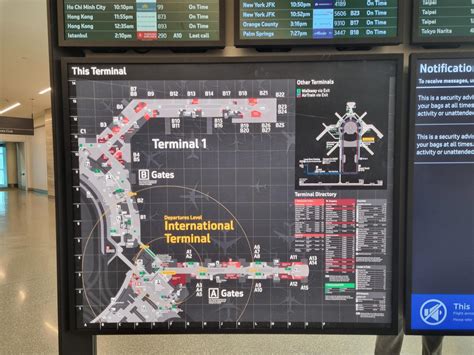
Today, United operates up to 25 daily transpacific flights from SFO, more than any competing carrier. The breadth of destinations is especially striking because it combines massive trunk routes with emerging secondary markets.
Heavy-demand cities such as Hong Kong, Manila, Seoul, Taipei, and Singapore receive multiple daily frequencies. Meanwhile, destinations like Adelaide, Christchurch, Kaohsiung, and now Sapporo represent a completely different philosophy centered around exploratory long-haul growth.
United’s dominance in Japan is particularly notable. The airline carried more than 1.8 million passengers between the United States and Japan last year, exceeding all other US carriers combined. With Sapporo joining the network, United will operate up to 13 daily flights between the two countries during the winter season.
This scale matters because it creates immense flexibility for travelers. Passengers connecting through SFO can now reach major Asian financial hubs, tropical leisure destinations, Australian cities, and secondary Japanese markets within a single unified network.
The airline’s fleet deployment strategy also reveals how carefully United is engineering this expansion.
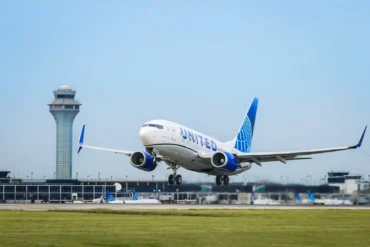
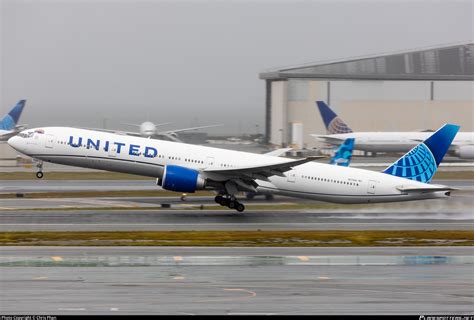
Its flagship Boeing 777-300ERs primarily serve dense premium-heavy routes such as Hong Kong and Taipei, where strong corporate demand and high passenger volumes justify the larger aircraft. Meanwhile, the versatile 777-200ER continues acting as the backbone for large daily operations to destinations including Beijing and Osaka.
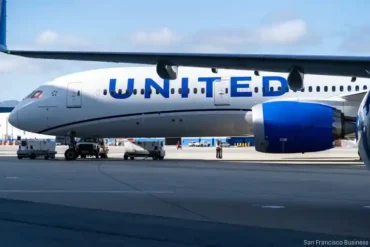
The true game changer, however, is the Boeing 787-9 Dreamliner.
The Boeing 787 Dreamliner Is Fueling United’s Long-Thin Expansion Strategy
The Dreamliner has fundamentally changed how airlines evaluate ultra-long-haul routes, and United is leveraging the aircraft more aggressively than almost any global competitor.
Traditional long-haul economics often required enormous passenger volumes to justify intercontinental flights. Large aircraft like older Boeing 747s or Airbus A340s needed dense demand to remain profitable. The 787 altered that equation with dramatically improved fuel efficiency, lower operating costs, and strong range capabilities.
For United, this creates opportunities to launch what industry planners call “long-thin” routes — flights connecting distant cities that may not generate enough traffic for larger widebody aircraft but still hold profitable niche demand.
Sapporo fits that model perfectly.
So do Adelaide and Christchurch, both relatively small markets compared to giants like Tokyo or Sydney. Yet the Dreamliner allows United to serve these destinations nonstop while maintaining viable economics.
The aircraft is also essential for extreme long-haul missions such as San Francisco to Singapore, one of the world’s longest regularly scheduled passenger flights with westbound block times approaching 17 hours.
United currently has 137 Dreamliners on order, with 20 expected to arrive this year alone. That incoming fleet expansion gives the airline enormous flexibility to continue adding experimental or underserved Pacific routes.
Unlike previous eras where airlines cautiously tested niche routes for brief periods before retreating, United appears committed to building sustainable long-term connectivity to these secondary markets.
That commitment is turning San Francisco into something much larger than a standard hub.
Which Asia-Pacific Destinations Could United Add Next From SFO?
As United deepens its Pacific footprint, speculation is intensifying over which destinations may join the SFO network next.
Several possibilities stand out immediately based on United’s historical operations. The airline previously served Chengdu, Hangzhou, Xi’an, Nagoya, and Delhi from San Francisco before geopolitical shifts, pandemic disruptions, and changing market conditions altered those strategies.
Japan remains one of the most logical areas for further expansion. Nagoya and Fukuoka both offer strong industrial and tourism demand while fitting neatly into United’s growing Japan-focused strategy.
India also represents a major opportunity. Despite explosive growth in US-India travel demand, San Francisco currently lacks United-operated nonstop service to the country. Given the Bay Area’s massive Indian diaspora and technology sector ties, routes to Delhi or Mumbai could become highly attractive as additional Dreamliners arrive.
Southeast Asia may ultimately provide the richest opportunities of all. Rapid economic growth, booming tourism demand, and increasing business travel continue reshaping the region’s aviation landscape. Cities such as Ho Chi Minh City are already served from San Francisco by Asian carriers, demonstrating proven market demand.
United could eventually leverage its SFO hub to compete more directly in those corridors while strengthening Star Alliance connectivity throughout Asia.
The broader vision is becoming increasingly clear. United is no longer merely defending legacy Pacific routes between major capitals. Instead, it is constructing an expansive transpacific ecosystem centered on flexibility, connectivity, and destination diversity.
For travelers, that means easier access to places once requiring multiple layovers or complicated itineraries. For San Francisco International Airport, it cements the airport’s role as one of the world’s most strategically important long-haul gateways.
And for United Airlines, it signals a future where adventurous long-haul flying becomes not the exception, but the foundation of its Pacific network strategy.