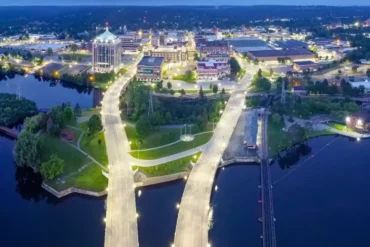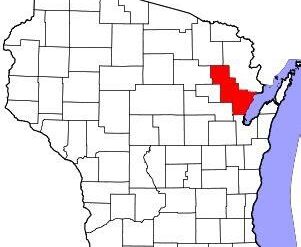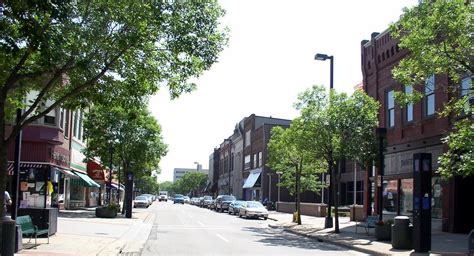
In a state already renowned for its scenic lakes, vibrant cities, and Midwestern charm, Portage County is stepping out of the shadows and into the spotlight. Alongside tourism giants like Door, Dane, Milwaukee, Waukesha, Walworth, and Outagamie, this once-underrated region is now powering a tourism revolution that is smashing records and reshaping the visitor economy across Wisconsin.
The story of Portage County’s rise is not just about numbers—though the numbers are staggering. It’s about strategic transformation, grassroots innovation, and a reinvigorated sense of identity. For travelers, business owners, and policymakers alike, this shift signals a new era in regional tourism development.
Portage County’s $269 Million Breakout: Wisconsin’s Rising Star
In 2024, Portage County generated a record $269 million in tourism-related economic activity—up 4.3% from the previous year. This surge is not a local anomaly but part of a state-wide renaissance, as Wisconsin’s total visitor economy reached an all-time high of $25.8 billion. These figures position Portage as a key player in a much larger transformation that’s turning Wisconsin into a premier destination in the American Midwest.
While the numbers themselves are significant, their deeper meaning lies in the impact on communities. In Portage County alone, tourism supported 2,013 jobs and produced $17.2 million in state and local tax revenue in 2024. These outcomes reflect more than economic trends—they illustrate the power of inclusive tourism to fuel livelihoods, sustain local businesses, and build stronger community ecosystems.
A Surge Built on Vision: Attractions, Innovation, and New Investments
What’s behind this breakout? A deliberate mix of infrastructure development, unique attractions, and a commitment to high-quality visitor experiences. Stevens Point Brewery, already a local staple, unveiled a brand-new taproom, drawing both loyal fans and curious first-timers. Meanwhile, the Starry Night Cat Café captured social media buzz and drew a younger, experience-seeking crowd.
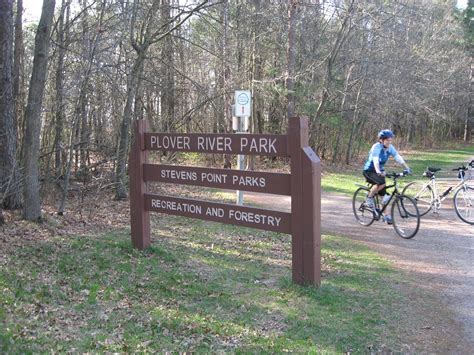
New accommodations like Home2 Suites by Hilton and upgrades to Comfort Suites expanded lodging capacity while raising the bar for comfort and design. Outdoor experiences also gained ground, especially with the popular Plover River Crossing extension on the Green Circle Trail, now a haven for hikers, bikers, and eco-conscious tourists.
Culture in Bloom: The Rise of Events and Creative Destinations
2024 also saw Portage County embracing its cultural heartbeat. Events like the 40th Riverfront Rendezvous drew thousands to downtown Stevens Point, blending community nostalgia with dynamic programming. The University of Wisconsin–Stevens Point celebrated 130 years, with exhibitions and campus tours attracting alumni and new visitors alike.
CREATE Portage County’s expansion into The Grove—a collaborative art and tech hub—also underscored the region’s dedication to creative placemaking. And the 10th anniversary of Great Northern Distilling turned into a multi-day celebration that boosted foot traffic across restaurants, boutique hotels, and artisan shops.
These events weren’t just spectacles—they were engines of economic vitality and cultural continuity. They exemplify how hyper-local storytelling and celebration can supercharge tourism.
Meetings, Conventions, and Sports Tourism: A Year-Round Economy
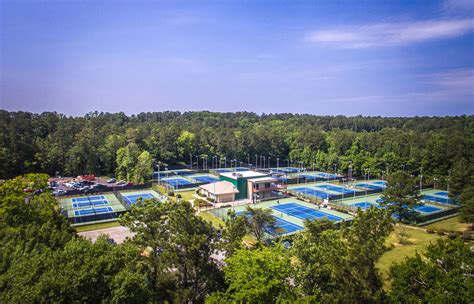
Beyond leisure travelers, Portage County has become a magnet for business conventions and sporting events. A revitalized event calendar brought in sports tournaments and corporate meetings, turning slow seasons into steady income streams for hotels, caterers, and event planners.
This diversification makes Portage resilient. Rather than relying on summer surges or festival weekends, the county now enjoys sustained year-round tourism traffic. This also allows businesses to retain staff year-round and invest more confidently in their operations.
Wisconsin’s Tourism Transformation: From Regional Gem to National Leader
Zooming out, Wisconsin’s visitor economy is surging at historic levels. In 2024, the state welcomed 114.4 million visits, surpassing the 2019 pre-pandemic peak by over a million. Tourism now supports more than 182,000 jobs and generates $1.7 billion in taxes, lowering the fiscal burden on residents by an average of $678 per household.
Key counties like Milwaukee, Dane, and Door continue to dominate in raw visitor numbers, but the real story is in how formerly under-the-radar counties like Portage and Outagamie are redefining tourism equity. These regions prove that quality, not just quantity, drives sustainable growth.
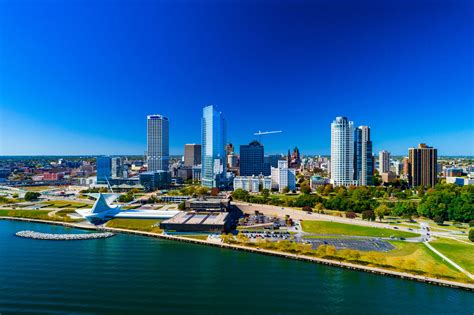
From Milwaukee’s waterfront redevelopment to Door County’s year-round marketing campaigns and Dane’s culinary renaissance, the broader synergy across these counties forms a regional tourism engine that is greater than the sum of its parts.
The Road Ahead: Strategy, Sustainability, and Smart Tourism
Looking to 2025 and beyond, Wisconsin faces both opportunity and responsibility. With its tourism success now well-established, the next step is to maintain momentum without compromising identity or natural assets.
In Portage County, the focus is shifting to:
- Sustainable outdoor recreation, with continued investment in trail systems, park preservation, and eco-tourism
- Support for small businesses, particularly in retail, lodging, and culinary sectors
- Inclusivity in tourism experiences, ensuring all visitors feel welcome and represented
At the state level, digital marketing efforts will ramp up to reach younger and more diverse travelers. Seasonal balance will also be emphasized, encouraging off-peak travel through targeted campaigns and events. Workforce development is another priority, with initiatives aimed at attracting and retaining talent in hospitality and tourism services.
Why Travelers—and the Industry—Should Pay Attention Now
For travelers, the message is simple: Portage County is no longer a hidden gem—it’s a must-visit destination. Whether you’re drawn to its creative arts scene, outdoor adventures, or cozy community feel, the region offers something rare: an authentic experience backed by world-class infrastructure.
For tourism professionals, this is a living case study in grassroots growth, regional cooperation, and the power of experience-driven strategy. Portage County didn’t rely on gimmicks or generic branding. It invested in what matters—local people, unique places, and memorable moments.
Wisconsin’s tourism boom is not confined to the big names anymore. And that’s exactly why it’s thriving. The rise of Portage County proves that with vision, investment, and authenticity, any region can lead the way.
So whether you’re planning your next vacation or rethinking your tourism strategy, remember this: the future of travel isn’t just about where you go. It’s about how a place makes you feel—and Portage County makes you feel like you belong.