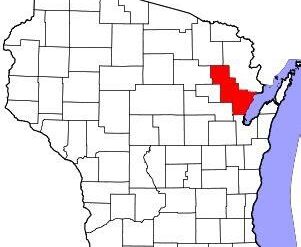
Door County Emerges as a Powerhouse in the U.S. Tourism Landscape
In an unprecedented development that has reshaped the U.S. tourism industry, Door County, Wisconsin, has aligned itself with major tourism giants including Orange County (California), Los Angeles County, Sevier County (Tennessee), Lewis County (New York), and Cape May County (New Jersey). This coalition has collectively ignited a tourism economy contribution surpassing $651 million, positioning Door County alongside some of the most iconic travel destinations in the country. This strategic alliance signals a profound shift in the American travel scene, promising travelers richer experiences and communities more robust economic benefits.
Once considered primarily a seasonal escape, Door County’s dramatic rise reflects a bold, innovative tourism strategy that transcends its traditional summer and fall allure. The county has rapidly transformed into a year-round destination, leveraging natural beauty, cultural events, and sustainable tourism to attract a diverse visitor base. This approach has brought an impressive 5.1% growth in economic activity in 2024, underpinning the county’s vital role in Wisconsin’s overall $25.8 billion visitor economy.
Economic Impact That Redefines Local Prosperity
The $651 million figure representing Door County’s total tourism economic impact is more than just a number; it tells a story of community resilience and opportunity. Direct visitor spending alone reached $523.2 million in 2024, but the indirect and induced effects — including supply chain demand and household spending by tourism employees — elevate the total impact dramatically. This financial influx supports over 3,500 local jobs, spanning hospitality, retail, arts, and recreation sectors, contributing a staggering $124.3 million in labor income for residents.
This economic vitality directly translates into improved quality of life for Door County’s population. Beyond the paycheck, the county’s tourism boom generated $53.3 million in state and local taxes, alleviating tax burdens for households by an average of $3,700 per family. This community-centric benefit underscores how tourism, when managed with care and foresight, becomes a foundation for sustainable prosperity rather than a transient boost.
Why Door County Stands Shoulder to Shoulder with Tourism Giants
Door County’s ascension to the ranks of Orange and Los Angeles Counties — places known worldwide for their iconic beaches, entertainment hubs, and cultural landmarks — might seem surprising at first glance. However, this elevation stems from a blend of smart tourism management, authentic visitor experiences, and strategic off-season marketing. Unlike mega-destinations that rely heavily on volume, Door County thrives on quality, sustainability, and community involvement, crafting a tourism model that appeals to modern travelers seeking meaningful connections with place.
In contrast to the sprawling urban appeal of Los Angeles or the beach resorts of Cape May, Door County offers a unique blend of outdoor adventure, arts, and culinary tourism, appealing to diverse demographics from eco-tourists to cultural enthusiasts. This diversity has widened its appeal well beyond Wisconsin’s borders, making it a competitive and complementary player on the national tourism stage.
Expanding the Tourism Season: A Blueprint for Stability and Growth
One of the most transformative aspects of Door County’s strategy has been its push to extend the visitor season beyond the traditional summer and fall peaks. The county’s introduction of winter festivals, cultural events, and wellness retreats has invited visitors during previously slow periods, creating a more balanced tourism calendar. This extension smooths out economic fluctuations, providing steadier employment and more predictable revenue streams for local businesses.
Infrastructure investments have supported this growth by improving transportation, lodging, and visitor services to accommodate year-round demand. The county’s commitment to sustainable tourism practices ensures that natural resources and community character are preserved, preventing the pitfalls of overtourism seen in other destinations.

The Broader U.S. Tourism Context: Door County’s Role in National Trends
While states like New York, California, and Florida continue to dominate annual visitor numbers — attracting hundreds of millions of tourists — the success of counties like Door County demonstrates a growing trend toward regional tourism diversification. Travelers increasingly seek out lesser-known destinations that offer personalized experiences, outdoor beauty, and cultural authenticity.
This shift is visible across the country, as counties such as Sevier in Tennessee and Cape May in New Jersey also report surging economic benefits from tourism. Door County’s results provide a blueprint for how smaller or less urban areas can capitalize on their unique assets to fuel economic growth and community well-being.
The Human Element: Jobs, Families, and Community Growth
The numbers tell a compelling economic story, but the human impact reveals Door County’s true success. Tourism directly supports thousands of jobs, from hotel managers to tour guides and restaurant staff. These careers often form the backbone of local communities, providing livelihoods and growth opportunities for residents who might otherwise leave in search of employment.
The financial health brought by tourism allows for reinvestment in education, infrastructure, and social services, creating a virtuous cycle that benefits all residents. Door County’s focus on workforce development, coupled with partnerships between public entities and local businesses, ensures that economic gains are inclusive and sustainable.
What Travelers Need to Know Before Visiting Door County in 2025
As Door County’s profile rises, so too does the importance of responsible travel. Visitors in 2025 should be aware of new initiatives designed to protect the environment, support local culture, and enhance visitor experience. These include:
- Increased eco-tourism programs encouraging minimal environmental impact.
- Enhanced digital platforms providing real-time information on events, lodging availability, and sustainable travel tips.
- Off-peak travel incentives aimed at reducing congestion during busy seasons.
Understanding these updates not only ensures a smoother visit but helps travelers contribute positively to the community’s ongoing success.
Looking Ahead: The Future of Door County and U.S. Regional Tourism
Door County’s remarkable rise is more than a snapshot; it’s a signal of evolving travel dynamics in the United States. With its blend of natural charm, strategic innovation, and community stewardship, Door County is poised to remain a beacon for sustainable, year-round tourism. Its partnership with other powerhouse counties underscores a national movement toward collaborative growth and shared prosperity in the travel sector.
As Americans continue to rediscover the richness of regional destinations, Door County offers a compelling model: vibrant, economically impactful, and deeply respectful of its heritage and environment. For travelers planning their next adventure, the message is clear—Door County is no longer just a Wisconsin secret but a critical chapter in the future of American tourism.

This new era of tourism collaboration and economic vitality marks a transformative moment, not only for Door County but for regional destinations nationwide. Understanding and embracing these changes will be essential for anyone eager to experience the best of U.S. travel in 2025 and beyond.