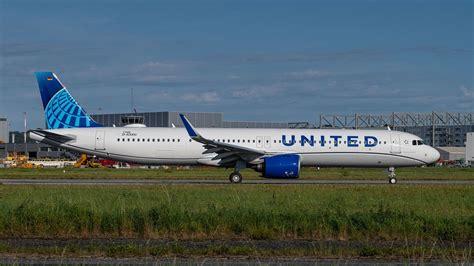
United Airlines is preparing to introduce its Airbus A321neo to a new destination in Southern California, marking a notable development in the competitive landscape at John Wayne Airport (SNA). Beginning in late May, the Chicago-based carrier is expected to deploy the modern narrowbody jet on routes connecting Orange County with Chicago O’Hare International Airport (ORD) and Denver International Airport (DEN).
This move positions United as the second airline to operate the A321neo at SNA, ending the exclusive presence that American Airlines has held since 2021. The aircraft’s arrival also highlights how airlines are carefully selecting aircraft capable of operating from the airport’s relatively short runway while still delivering high passenger capacity and efficiency.
The addition of the A321neo not only expands United’s operational flexibility but also reflects broader trends across the airline industry, where next-generation narrowbody jets are increasingly used on high-demand domestic routes.
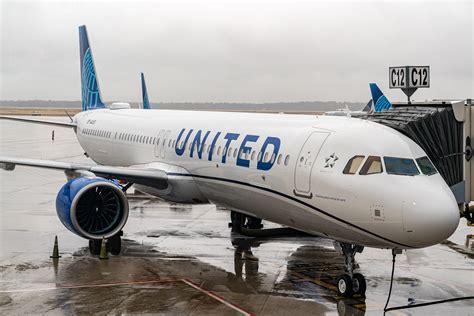
United’s Airbus A321neo Arrives at John Wayne Airport
The introduction of the Airbus A321neo at John Wayne Airport is expected to begin on May 21, according to aviation industry sources and schedule data. Although United has not yet updated its official booking system to reflect the aircraft change, aviation analysts have already identified the aircraft assignment within upcoming schedules.
Initially, the aircraft will operate on United’s established routes between SNA and two of the airline’s major hubs—Chicago O’Hare and Denver. These connections serve both business travelers and leisure passengers moving between Southern California and two of the busiest aviation centers in the United States.
Current flight schedules for May suggest:
- 11 flights in each direction between Denver and Orange County
- 9 round-trip flights between Chicago O’Hare and Orange County
Because the A321neo seats approximately 200 passengers, the aircraft will add significant capacity to United’s operations at the airport. Across roughly 40 flights connecting the three airports, the airline could offer around 8,000 seats using the type.
Even with the new aircraft entering service, United will continue deploying several other aircraft on these routes, including the Airbus A320, Boeing 737-700, and Boeing 737 MAX 8, creating a mixed fleet strategy designed to balance capacity and operational efficiency.
Short Runway, High Stakes: Operating at John Wayne Airport
John Wayne Airport is famous within aviation circles for its unique operational constraints, particularly its single commercial runway measuring just 5,700 feet (1,737 meters). That relatively short runway length requires aircraft with strong short-field performance, limiting which models airlines can deploy.
Many larger narrowbody aircraft struggle in such conditions. Variants like the Boeing 737-900ER or 737 MAX 9, for instance, are rarely used at SNA because they require longer runways for comfortable performance margins.
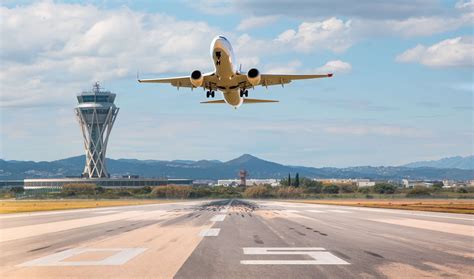
The result is an airport environment where airlines must carefully match aircraft capability with operational requirements. Aircraft such as the Airbus A321neo offer an ideal balance. Its advanced engines, improved aerodynamics, and efficient takeoff performance allow it to operate safely while still transporting large numbers of passengers.
Noise regulations also play a role in shaping operations at the airport. Pilots departing SNA follow specific noise-abatement procedures, often involving a steep climb immediately after takeoff before reducing thrust to minimize sound over nearby communities. These dramatic departures are well known among frequent travelers and aviation enthusiasts.
Competitive Dynamics on the Denver–Orange County Route
United’s largest competitive battleground involving SNA remains the Denver to Orange County corridor, a popular route connecting Southern California travelers with the Rocky Mountain region.
During May 2026, United will operate 161 flights in each direction between the two airports. Across these services, the airline will deploy a mix of aircraft including the A320, A321neo, and Boeing 737 MAX 8, creating a total seat capacity exceeding 25,800 seats.
Two competitors remain active on the route:
- Southwest Airlines, operating exclusively with Boeing 737-700 aircraft, will run more than 270 combined flights, offering over 37,000 seats.
- Frontier Airlines will deploy its Airbus A320neo fleet on 23 flights each way, offering roughly 8,500 seats.
Despite Southwest’s high frequency, United still maintains the largest seat capacity from Denver to SNA, thanks to larger aircraft and efficient scheduling strategies.
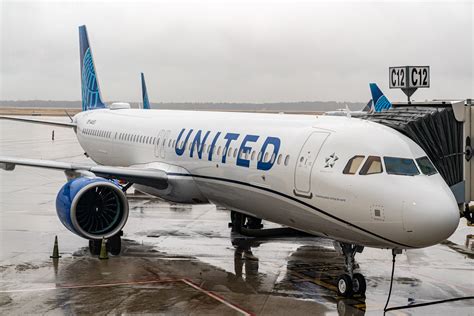
The arrival of the A321neo strengthens United’s position by providing higher seat counts and improved fuel efficiency, allowing the airline to compete aggressively on both pricing and operational costs.
Chicago O’Hare Route: A Head-to-Head With American Airlines
Competition on the Chicago O’Hare to Orange County route is more straightforward but no less significant. Here, American Airlines and United Airlines dominate the market.
In May 2026, American plans to operate 93 flights in each direction between ORD and SNA using the Boeing 737 MAX 8, offering nearly 16,000 seats across the month. United will run 88 round-trip flights, with aircraft including the A321neo, 737-700, and 737 MAX 8, generating roughly 12,400 to 14,900 seats depending on aircraft assignment.
Interestingly, while American has operated the A321neo at John Wayne Airport since 2021, the airline does not currently deploy the aircraft on the ORD-SNA route. Instead, its A321neo aircraft typically connect Orange County with Phoenix, Charlotte, and occasionally Dallas/Fort Worth.
This detail gives United a subtle competitive advantage: travelers flying between Chicago and Orange County may soon have access to the newer Airbus A321neo cabin on United, while American continues using the 737 MAX 8 on the same corridor.
Inside United’s High-Scoring Airbus A321neo Cabin
The Airbus A321neo has quickly become one of the most highly rated aircraft in United’s fleet, particularly in passenger satisfaction surveys. The airline has repeatedly noted that the aircraft scores higher with travelers than many of its other narrowbody jets, including several variants of the Boeing 737 family.
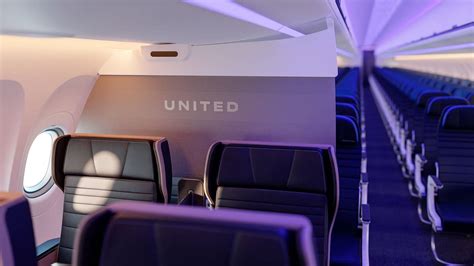
The cabin configuration is designed to balance comfort with high capacity. The aircraft carries 200 passengers across two classes:
- United First includes 20 reclining seats arranged in a 2-2 layout
- United Economy features 180 seats in a 3-3 configuration
Within the economy cabin, 57 seats are designated as Economy Plus, offering up to eight inches of additional legroom compared with standard economy seating.
Each seat includes personal seatback entertainment screens and Bluetooth connectivity, allowing passengers to pair wireless headphones directly with the onboard entertainment system. Power outlets are available at every seat, and the cabin features dynamic mood lighting, creating a more modern travel atmosphere.
In terms of capacity, the aircraft ranks as United’s second-largest narrowbody, surpassed only by the Boeing 757-300, which can accommodate 234 passengers.
A Strategic Aircraft for United’s Domestic Network
The decision to deploy the A321neo at John Wayne Airport illustrates a broader strategic trend within United’s fleet planning. The airline has invested heavily in next-generation narrowbody aircraft capable of operating efficiently across a wide range of domestic routes.
With greater fuel efficiency, improved passenger amenities, and strong performance from constrained airports, the A321neo represents a versatile tool for airlines seeking to maximize profitability while maintaining competitive schedules.
For passengers traveling through Southern California’s Orange County region, the aircraft’s arrival signals a noticeable upgrade in comfort and capacity. For United Airlines, it represents another step in strengthening its domestic network while challenging rivals in key markets across the United States.