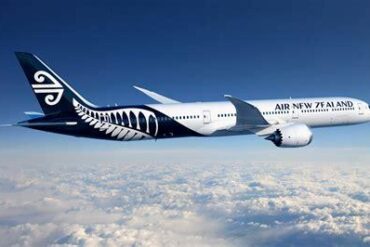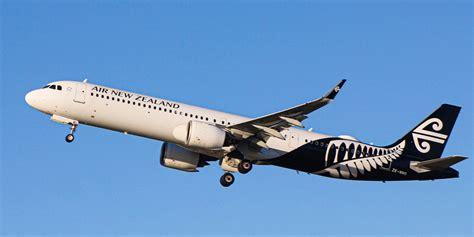
Air New Zealand is entering a pivotal chapter in its fleet modernization strategy as it prepares to welcome the Airbus A321neo, a technologically advanced narrow-body aircraft poised to enhance efficiency, capacity, and customer experience across the airline’s short-to-medium haul routes. With the first aircraft set to arrive on June 4, 2025, after a long-haul 19,342-kilometre journey from Hamburg, Germany, this milestone underlines the national carrier’s commitment to future-proofing its international and regional operations.
The delivery route from Hamburg to Auckland involves carefully planned stopovers in Muscat, Kuala Lumpur, and Cairns, highlighting the global logistical coordination required to bring such a sophisticated aircraft to New Zealand’s shores. The journey isn’t merely a delivery—it symbolizes the carrier’s evolution and its ambitions to elevate its regional influence.
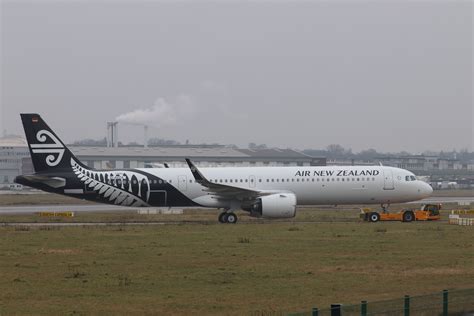
A321neo: The Backbone of a New Era in Narrow-Body Travel
At the heart of this fleet upgrade is the Airbus A321neo, a next-generation aircraft that combines cutting-edge engineering with environmentally conscious design. The “neo” stands for “new engine option,” and it lives up to that promise. The A321neo features LEAP-1A engines from CFM International, delivering exceptional fuel efficiency—up to 20% less fuel burn per seat compared to previous models. In a world where carbon reduction is central to aviation sustainability goals, this aircraft places Air New Zealand firmly on the path to a greener future.
Configured with 214 seats, the aircraft provides expanded passenger capacity, perfect for high-demand routes between New Zealand, Australia, and the Pacific Islands. This increase supports not just traffic volume but also aligns with the airline’s strategy to optimize flight economics on popular international corridors without compromising comfort or quality of service.
Strategic Investments Driving Growth
The introduction of the A321neo forms a crucial element of Air New Zealand’s broader fleet investment program, which includes:
- The ongoing retrofit of its Boeing 787-9 Dreamliners to enhance long-haul comfort and capacity.
- The launch of a new domestic jet service connecting Hamilton and Christchurch, an important move to decentralize and strengthen intercity travel.
This strategic blend of international fleet expansion and domestic route innovation positions Air New Zealand to respond nimbly to both regional and global demand fluctuations. The airline is clearly moving to create a more resilient, connected network, reducing dependence on any single market and opening new possibilities for both outbound and inbound tourism.
Passenger Experience at the Forefront
Beyond operational efficiency and environmental responsibility, the A321neo also offers a host of passenger-centric upgrades. The cabin has been designed with modern travelers in mind, featuring:
- Slimline seats for increased legroom without reducing capacity
- Larger overhead bins for improved cabin baggage storage
- Quieter interiors, thanks to new engine and airframe designs
- Mood lighting for enhanced in-flight ambiance
These features collectively improve the travel experience for both leisure and business travelers. With flights expected to serve routes such as Auckland to Sydney, Brisbane, and Pacific Island destinations, passengers will benefit from a higher standard of travel on medium-range flights that traditionally feature older narrow-body configurations.
An Expanding Network: 70,000 New Annual Seats
When both A321neo aircraft are in service, they will add an estimated 70,000 extra seats per year to Air New Zealand’s international network. This expansion will not only meet current demand but also provide room for scalable growth in line with tourism recovery and increased regional mobility.
Air New Zealand is intentionally targeting trans-Tasman and Pacific routes, where rising passenger volumes, competitive pressures, and environmental scrutiny demand an aircraft that is both economical and sustainable. The A321neo’s capability to deliver on all three fronts makes it an optimal choice for these critical markets.
Executive Leadership on the Future of Travel
Jeremy O’Brien, Air New Zealand’s Chief Commercial Officer, emphasized the broader significance of the A321neo’s arrival: “These new A321neo are a clear sign we’re investing for the future – boosting our international network and delivering more choice for customers. It’s about doing what we do best: connecting Kiwi to the world and bringing visitors to our shores.”
O’Brien’s statement highlights not just a fleet expansion, but a vision for a more connected, dynamic airline, capable of adapting to shifting global travel trends. The executive team appears fully aligned with this modernization trajectory, combining fleet upgrades with strategic route development to create long-term value.
Sustainability and the Environment: A Measured Step Forward
One of the most profound benefits of the A321neo lies in its carbon footprint reduction. The 20% fuel savings translate directly into lower CO₂ emissions, helping Air New Zealand progress toward its net-zero carbon emissions target by 2050. In an era when climate impact is a competitive differentiator, this delivery demonstrates environmental leadership.
Further, the A321neo also emits 50% less nitrogen oxide and operates with a noise footprint that is 75% smaller than previous-generation aircraft. These improvements matter not only to the airline’s regulatory standing but also to airport communities and passengers seeking more sustainable travel choices.
A Global Partnership for Excellence
The delivery of the A321neo from the Airbus facility in Hamburg also underscores the global ecosystem behind modern aviation. The aircraft’s assembly and quality checks involved collaboration between Airbus engineers, regulatory agencies, and Air New Zealand’s technical teams. This journey, from European production lines to Pacific skies, speaks to the international effort behind fleet innovation.
As the first aircraft touches down in Auckland, followed shortly by its sister jet, the carrier strengthens its ties not just with Airbus, but also with strategic partners across the delivery route—from fuel providers in Muscat, to servicing teams in Kuala Lumpur, and air traffic authorities in Cairns.
Looking Ahead: What Comes Next?
While Air New Zealand has yet to publicly confirm specific route schedules for the new A321neo, executives have hinted that popular leisure and business destinations will be the primary beneficiaries. Watchful eyes remain on high-frequency routes such as Auckland–Sydney and Wellington–Brisbane, which are ripe for capacity expansion.
Moreover, this fleet upgrade sets a precedent for future aircraft procurement. With increased global air travel demand and environmental accountability intensifying, Air New Zealand’s successful integration of the A321neo may serve as a blueprint for future aircraft acquisitions, including possible orders for additional A320neo family jets or even next-generation long-haul aircraft.
Conclusion: A Landmark Step in Aviation Progress
Air New Zealand’s acquisition of the Airbus A321neo is far more than a simple delivery—it is a strategic affirmation of the airline’s vision for growth, sustainability, and passenger satisfaction. With a robust blend of efficiency, innovation, and environmental responsibility, the A321neo will not only increase seat capacity and reduce operating costs but will also redefine how regional and international travel feels for thousands of passengers every year.
As the aircraft touches down on June 4, 2025, it symbolizes a broader journey—one of adaptation, investment, and ambition. With its wings now stretching into a new operational chapter, Air New Zealand is not just flying forward—it’s soaring ahead.