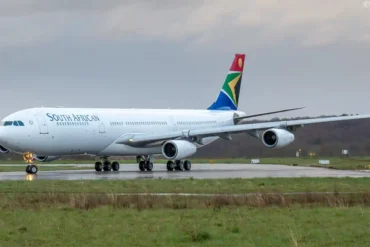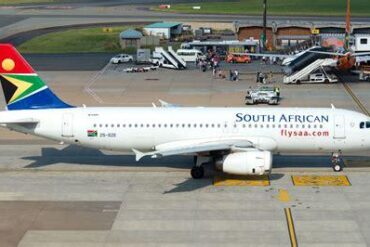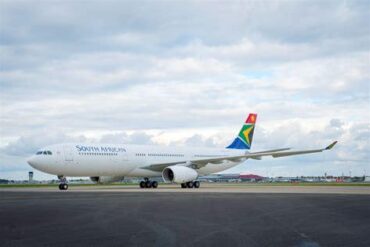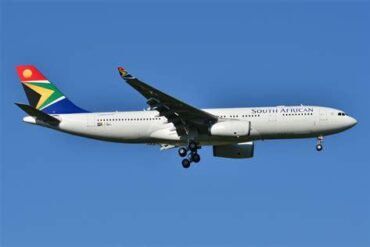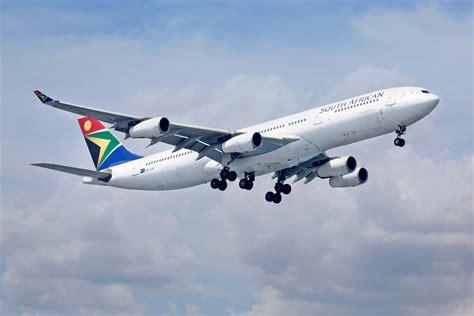
South African Airways (SAA) is charting a bold course in 2025 and 2026 with a significant expansion of its domestic and regional flight offerings, signaling a revival of its route network and ambitions to reclaim its stature in African aviation. Announced at Africa’s Travel Indaba by Chief Commercial Officer Tebogo Tsimane, the strategic rollout includes new connections across South Africa and key regional cities, reaffirming SAA’s commitment to enhancing air access across the continent.
This expansion arrives at a pivotal time, with the airline rebuilding its operations following years of restructuring. By introducing new services, SAA is not only reaffirming its market presence but also responding directly to growing passenger demand and the need for enhanced regional mobility.
Strategic Domestic Expansions Reflect Renewed Focus on Local Travel
The cornerstone of SAA’s new route development strategy lies in reconnecting underserved domestic routes and boosting regional tourism and economic links. Tsimane outlined a multi-phased rollout beginning in 2026, with Johannesburg to George set to be the first new domestic service.
The Johannesburg–George route is scheduled for launch in April 2026, providing a much-needed direct link between the Gauteng economic hub and the scenic Garden Route. This connection is anticipated to stimulate both business and leisure travel, particularly appealing to South Africans seeking domestic getaway options without the hassle of connecting flights. George, nestled in the Western Cape, is a gateway to premier golf resorts, beaches, and outdoor adventure experiences—making the route a high-potential addition to SAA’s portfolio.
Meanwhile, the airline has also committed to reopening flights between Johannesburg and East London, as well as introducing a direct Cape Town to Durban service. While exact launch dates remain pending for these two routes, industry observers expect rollout before the end of 2026. The Cape Town–Durban connection will serve two of South Africa’s most important coastal cities, both major tourism and commercial centers, facilitating travel efficiency for domestic and international passengers.
Regional Growth: Reconnecting Africa’s Aviation Corridors
Complementing domestic expansions, SAA is also launching regional routes that underscore its broader strategy of becoming a key intra-African connector. The first confirmed regional service is the Johannesburg to Gaborone flight, scheduled for October 2025. This move strengthens business and diplomatic ties between South Africa and Botswana, and supports growing passenger demand on this high-frequency corridor.
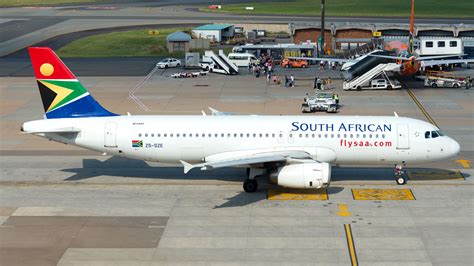
This route will provide direct access for corporate travelers, government officials, and leisure passengers alike. The relatively short flight duration and business-driven demand make it a high-yield service, and its launch will position SAA favorably against regional competitors.
In addition, seasonal flights between Cape Town and Mauritius are scheduled to commence in November 2025, catering to the peak travel season. Mauritius remains one of the top holiday destinations for South Africans, with high passenger volumes during summer months. By operating seasonal services, SAA leverages market demand while optimizing aircraft utilization during busy periods.
These regional routes are essential in helping SAA rebuild its African footprint, once regarded as a dominant player in continental aviation. Reintroducing high-demand services, particularly to Southern Africa and the Indian Ocean islands, allows SAA to recapture market share in leisure and business travel segments.
Mumbai Plans Delayed Amid Aircraft Shortage
While the expansion strategy is largely forward-looking, not all developments are proceeding as originally scheduled. SAA’s planned return to Mumbai, India—a high-profile long-haul destination—has faced setbacks. Originally scheduled to launch in October 2025, the service has been postponed due to difficulties in acquiring suitable wide-body aircraft.
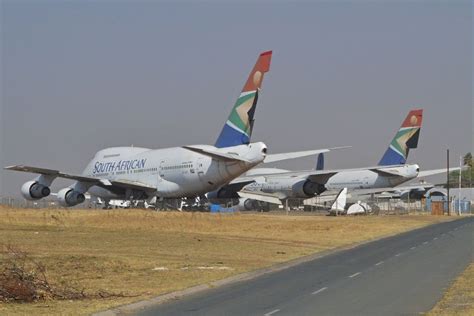
Tsimane explained that the route’s viability remains intact, but current challenges related to aircraft leasing and availability have made the timeline uncertain. Despite this, the airline is still aiming to open sales by July 2025, with actual operations now projected to begin in 2026. The Mumbai route holds strategic significance, as it bridges key trade and cultural ties between South Africa and the Indian subcontinent.
The delay, while unfortunate, reflects SAA’s pragmatic approach to scaling operations responsibly. Rather than rushing to launch under-resourced, the airline appears focused on ensuring service reliability, safety, and sustainability—a stance that could pay off in terms of passenger trust and long-term route profitability.
Operational Readiness and Fleet Realignment
Behind the scenes, the successful rollout of these new routes hinges on fleet optimization and operational readiness. SAA, having emerged from business rescue, operates a leaner fleet that prioritizes efficiency over sheer size. The airline is carefully timing its aircraft acquisitions and leases to match demand and service rollout.
There are expectations that SAA will introduce additional narrow-body jets to support the domestic and regional routes, while exploring lease options or partnerships for long-haul aircraft. This approach allows flexibility and cost control, which are vital for a carrier still in a phase of cautious growth.
Rebuilding Market Trust Through Strategic Connectivity
These network additions are more than a logistical exercise—they are a reputation and recovery strategy. For SAA, route expansion is a message of stability, ambition, and relevance in a rapidly evolving aviation landscape. Each new route marks a step away from the turbulence of the past and a move toward sustainable national carrier status.
Tsimane emphasized during his address at Travel Indaba that SAA is not merely re-entering old markets but is strategically choosing destinations that balance demand with profitability, ensuring long-term viability. For South African travelers, this signals greater choice, lower prices through competition, and renewed pride in the flag carrier’s presence.

Moreover, by increasing its footprint across Southern Africa, SAA positions itself as a preferred option for intercontinental connections, especially as a feeder airline into international hubs like Johannesburg’s OR Tambo International Airport.
Industry Response and Competitive Landscape
SAA’s announcement has not gone unnoticed by competitors and travel industry stakeholders. Other South African carriers, including FlySafair and Airlink, have dominated domestic and regional markets during SAA’s reduced operations over recent years. With SAA’s re-entry, price competitiveness and service quality will become critical battlegrounds.
Industry analysts believe SAA’s current strategy reflects lessons learned during its turbulent years: leaner operations, targeted routes, and better alignment with customer expectations. The move to reopen routes like Cape Town–Durban, often considered a golden corridor in South African aviation, suggests confidence in both market demand and internal execution capacity.
Conclusion: A Deliberate and Bold Step Forward
SAA’s new route announcements signify more than just operational changes—they represent a carefully calculated relaunch of a national asset. By expanding its domestic and regional footprint while remaining cautious with long-haul ambitions like Mumbai, SAA demonstrates a maturing approach to growth.
While the success of these new services will depend on numerous factors—from aircraft availability to market dynamics—the blueprint is clear: connect South Africans at home and in the region, with precision and purpose. If executed well, this expansion could mark the resurgence of South African Airways not only as a service provider, but as a symbol of national resilience and excellence in African aviation.