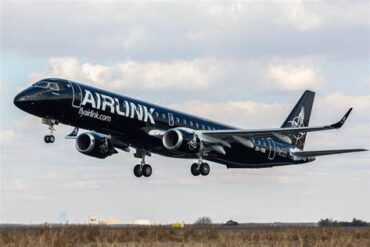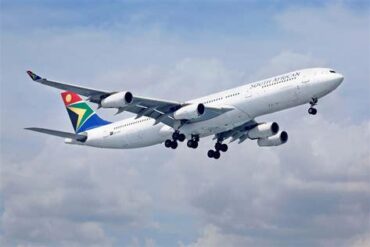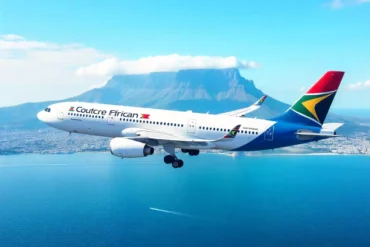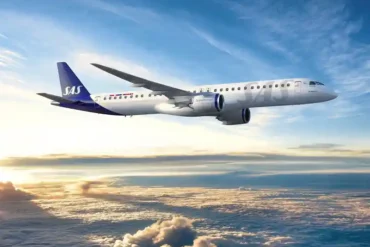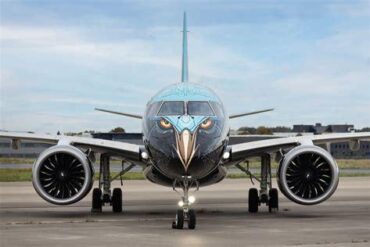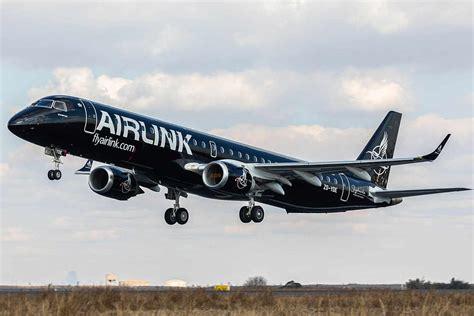
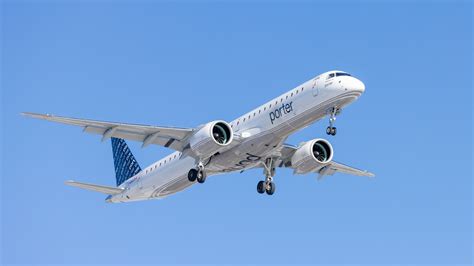
South Africa’s aviation landscape is undergoing a bold transformation as a leading national airline finalizes a major lease agreement for ten next-generation Embraer E195-E2 aircraft. The deal, secured with Fort Lauderdale-based lessor Azorra, reflects a forward-looking strategy focused on enhanced operational efficiency, lower carbon emissions, and greater regional connectivity. As the airline prepares to grow its fleet from 68 aircraft, the addition of these new-generation jets marks a critical investment in sustainable aviation and service excellence.
Next-Generation Fleet Expansion to Meet Growing Regional Demand
The leasing of the Embraer E195-E2, the largest aircraft in the E-Jet family, comes at a time when demand for intra-African air travel is rebounding and expanding. With 45 destinations across 15 countries—including remote locations like Madagascar and St. Helena Island—this fleet renewal plan enhances the airline’s ability to respond to shifting passenger dynamics and underserved routes.
Deliveries of the aircraft will begin later this year from Embraer’s Brazilian production facility, extending through 2027. The airline’s existing partnership with Embraer, dating back to 2001, has laid a strong operational and technical foundation for the seamless integration of these modern jets into the fleet.
E195-E2: A Technological Leap in Fuel Efficiency and Environmental Stewardship
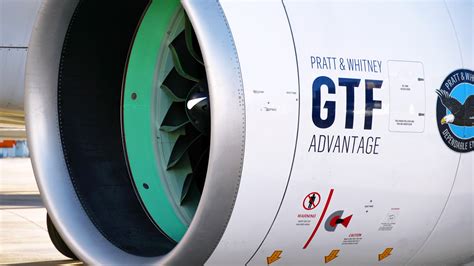
The Embraer E195-E2 is renowned for its superior fuel economy, with the airline projecting a 29% reduction in fuel consumption compared to the current E195 model. This leap in efficiency is largely due to the aircraft’s advanced Pratt & Whitney GTF (Geared Turbofan) engines, which not only lower fuel burn but also decrease maintenance frequency and costs.
The reduced fuel usage directly translates into lower CO₂ emissions, helping the airline achieve its sustainability objectives. In a region where climate resilience and environmental awareness are becoming central to public and corporate discourse, these aircraft are a strategic fit for both economic and environmental imperatives.
Increased Seating and Range Unlocks Revenue Potential and New Routes
Each E195-E2 aircraft will be configured to carry either 124 or 136 passengers, providing a 33% increase in seating capacity compared to the airline’s current E190 jets. This significant bump in passenger load allows the carrier to reduce cost per seat, enhancing its competitiveness on high-density regional and medium-haul routes.
With improved range capabilities, these aircraft can connect more distant hubs without refueling stops, enabling the airline to expand its footprint into new underserved African corridors and potentially link into further international markets. Routes once deemed economically unviable due to fleet limitations now become commercially attractive and operationally efficient.
Seamless Fleet Integration and Crew Optimization
Beyond fuel and capacity upgrades, the E195-E2 brings operational continuity. It shares cockpit similarities, avionics systems, and maintenance protocols with earlier Embraer models in the airline’s fleet. This commonality is a crucial advantage, as it minimizes the costs and time required for pilot training, mechanic certification, and inventory management.
By leveraging these synergies, the airline can integrate the new jets swiftly, maintaining a high dispatch reliability rate and reducing training overhead. This also ensures a consistent passenger experience, with familiar cabin ergonomics and seating comfort, even as the carrier modernizes its offerings.
Strategic Sustainability: More Than a Buzzword
The move to lease the E195-E2 is not simply about modernization—it’s a clear signal of the airline’s long-term commitment to environmental sustainability. As aviation faces intense pressure to reduce its ecological impact, these jets offer a scalable way to comply with ICAO’s Carbon Offsetting and Reduction Scheme for International Aviation (CORSIA), while also meeting passenger expectations for greener travel.
By cutting fuel use by nearly a third, the airline also protects itself from volatility in global fuel markets and future carbon taxation frameworks. In an era of ESG reporting and environmental accountability, such investments become strategic imperatives rather than optional upgrades.
Economic Advantage in a Competitive African Aviation Market
Africa’s aviation sector is undergoing rapid liberalization, with initiatives like the Single African Air Transport Market (SAATM) encouraging more competition and open skies. The airline’s acquisition of E195-E2s positions it to capitalize on greater market access, launching flights that are more affordable, frequent, and reliable.
This competitive edge is vital in regions where price sensitivity is high and profit margins are thin. The lower operating costs and flexible configurations of the E195-E2 allow the airline to strategically deploy aircraft based on route demand, avoiding the inefficiencies of over- or under-capacity.
Passenger Comfort Meets Operational Intelligence
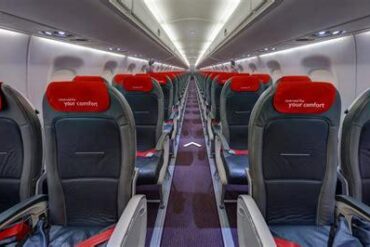
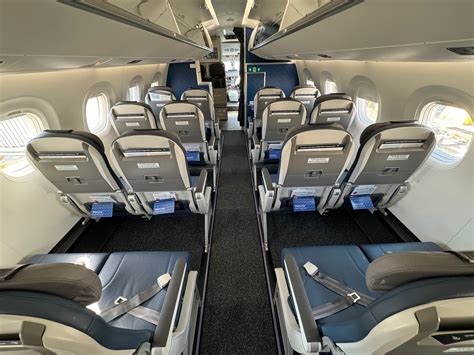
The new aircraft will also provide passengers with an enhanced flying experience. Thanks to a 2+2 seating layout, travelers can enjoy a more spacious cabin feel with no middle seats, a key selling point for leisure and business passengers alike.
Coupled with quieter engines, improved cabin pressurization systems, and more onboard space, the E195-E2 reinforces the airline’s reputation for reliable and comfortable short- to medium-haul service. These comfort-centric features will be critical in attracting loyalty from both local travelers and international tourists seeking efficient regional connections.
Flexibility for Market Fluctuations and Emergency Scaling
In a post-pandemic world where demand forecasting is more volatile than ever, fleet flexibility becomes a vital tool. The E195-E2 offers just that, with its ability to operate on low-traffic regional routes one day and high-density connections the next. This capability gives the airline agility to match capacity with real-time market conditions, ensuring aircraft are never underutilized.
Moreover, the jet’s reduced maintenance downtime means the airline can pivot operations quickly in response to unexpected events—whether it’s increased holiday travel, a shift in cargo demand, or regional disruptions. This responsiveness reinforces the carrier’s position as a reliable choice for both regular and crisis-era travel.
Azorra Partnership Reflects Growing Role of Leasing in African Aviation
Partnering with Azorra, a specialist lessor in the regional aircraft market, also indicates the growing sophistication of fleet financing on the continent. Rather than pursue costly outright purchases, the airline benefits from flexible lease terms, allowing it to allocate capital more effectively across operations, infrastructure, and technology.
This deal is emblematic of a wider trend where African carriers are using leasing to modernize rapidly, without waiting for long asset acquisition cycles or large capital reserves. Azorra’s deep expertise in Embraer platforms ensures both technical support and smooth handover processes throughout the multi-year delivery schedule.
Looking Ahead: A Sustainable, Scalable Growth Trajectory
The decision to bring the Embraer E195-E2 into service represents far more than a fleet update. It’s a holistic strategy encompassing cost reduction, environmental stewardship, market expansion, and passenger satisfaction. By taking proactive steps toward modernization, this South African airline is securing its future in a sector where nimbleness, reliability, and efficiency are no longer competitive advantages—they are essential survival tools.
With the first deliveries set to begin in the coming months and full rollout planned through 2027, these aircraft will soon become a cornerstone of the airline’s network strategy, driving value for shareholders, travelers, and the environment alike.