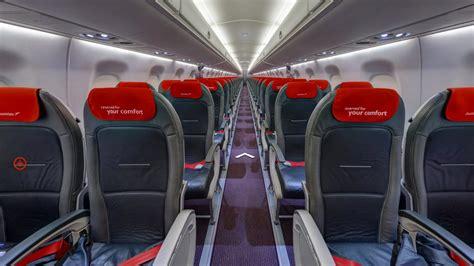
Austrian Airlines has officially confirmed that it is evaluating the replacement of its Embraer E195 regional jet fleet, signaling a pivotal moment in the carrier’s fleet modernization strategy. This decision, revealed during an aviation event in Vienna on April 25, marks a strategic shift as the Lufthansa Group subsidiary considers more efficient, next-generation aircraft to serve its regional operations.
Austrian Airlines Reviews Options for Regional Fleet Modernization
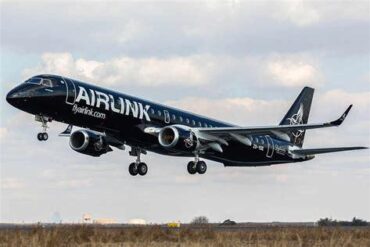
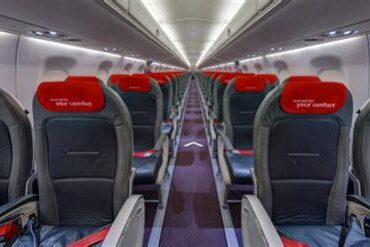
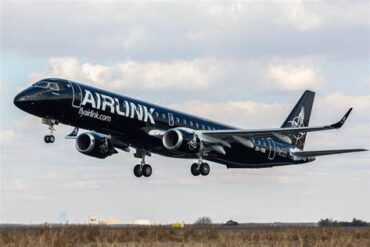
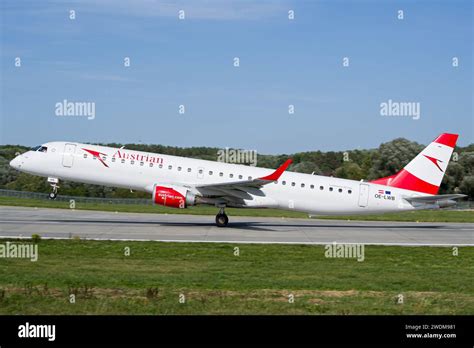
Currently operating 17 Embraer E195 aircraft, Austrian Airlines faces a critical juncture as these jets, produced between 2009 and 2012, approach the midpoint of their operational life. Originally deployed by Lufthansa CityLine before being transferred to Austrian between 2015 and 2017, the E195s played a key role in replacing the aging Fokker 70 and Fokker 100 fleet, providing improved capacity and reliability for regional routes.
A spokesperson for Austrian Airlines stated, “We are considering replacing our Embraer fleet.” Although no definitive aircraft type or timeline has been selected, the airline has confirmed that all options are under evaluation, ensuring a thorough analysis of performance, operating costs, sustainability, and compatibility with existing operations.
Airbus A220 and Embraer E2 Emerge as Leading Candidates
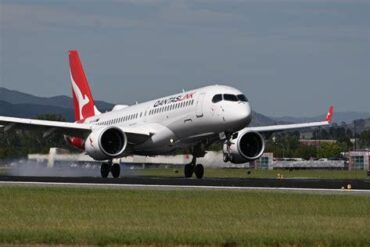
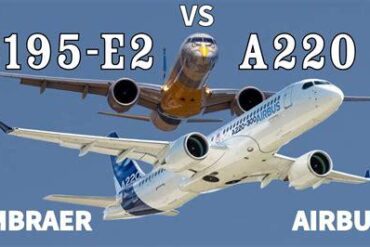
While Austrian Airlines maintains an open selection process, industry insiders have identified the Airbus A220 and the Embraer E2 series as frontrunners in the evaluation. Both aircraft represent next-generation regional jets offering significant improvements in fuel efficiency, emissions, and passenger comfort compared to the current Embraer E195 fleet.
The Airbus A220, originally known as the Bombardier C Series before Airbus acquired the program, has already proven its value within the Lufthansa Group, operating under Swiss International Air Lines. In fact, Austrian Airlines was initially considered as the A220’s launch operator within the group; however, the aircraft was ultimately allocated to Swiss, leaving Austrian to integrate the E-Jets instead. This earlier history raises intriguing questions about whether the A220 might finally enter Austrian’s fleet.
Meanwhile, the Embraer E2 family, particularly the E190-E2 and E195-E2 models, offers a natural evolution for Austrian’s operations. Featuring Pratt & Whitney PW1900G geared turbofan engines, the E2 promises up to 17% lower fuel burn compared to the current-generation E-Jets, alongside a quieter cabin and improved range. Additionally, operating continuity with Embraer may simplify pilot training, maintenance infrastructure, and parts inventory.
Aging Short-Haul Fleet Adds Urgency to Renewal Plans
Austrian’s fleet renewal considerations extend beyond its regional jets. The airline’s short-haul Airbus narrow-body fleet includes 29 A320s, five A320neos, and six A321s, several of which are nearing or surpassing 25 years in service. Aircraft such as a 1995-built A321 and a 1998-built A320 underscore the pressing need to modernize the short-haul segment.
As the airline plans for the future, an integrated approach may emerge, aligning the replacement of both regional and short-haul aircraft to achieve greater operational efficiency and fleet commonality. The timing of these replacements will likely be influenced by market conditions, aircraft availability, and sustainability targets set by both Austrian Airlines and the Lufthansa Group.
Strategic Fleet Renewal in the Context of Long-Haul Transformation
Simultaneously, Austrian Airlines is undergoing a long-haul fleet transformation, replacing its Boeing 767-300ER and 777-200ER aircraft with a new lineup of 11 Boeing 787-9 Dreamliners. This strategic move reflects a broader modernization effort across all flight operations, aimed at reducing carbon emissions, improving fuel efficiency, and elevating the passenger experience.
The introduction of the Dreamliners not only upgrades Austrian’s intercontinental offerings but may also set the stage for harmonized fleet renewal efforts, with synergies between long-haul and short-haul fleet planning. This multi-tiered renewal could position Austrian Airlines to better compete in the post-pandemic European aviation market, where efficiency and environmental stewardship are becoming critical competitive advantages.
Weighing Operational and Financial Considerations
Selecting a successor to the Embraer E195 fleet will require Austrian Airlines to balance operational requirements with financial realities. The Airbus A220 offers a larger cabin and slightly higher capacity, which may suit routes with growing demand, while the Embraer E2 retains a similar capacity to the existing fleet, potentially simplifying route integration.
Financially, fleet commonality, residual values, and financing terms will influence the decision. Furthermore, sustainability mandates from European regulators and corporate governance standards at Lufthansa Group will place carbon emissions performance high on the selection criteria. Both the A220 and E2 offer strong environmental credentials, yet their respective operating economics and network fit will ultimately determine their appeal.
Historical Context: From Fokker to Embraer, and Beyond
Austrian Airlines’ fleet evolution reflects broader trends in European regional aviation. The transition from Fokker aircraft to Embraer jets in the mid-2010s represented a significant upgrade in technology and efficiency. Now, a similar leap forward looms as Austrian evaluates the next generation of regional aircraft, seeking to align with Lufthansa Group’s broader sustainability and modernization goals.
The earlier decision to allocate the Airbus A220 to Swiss rather than Austrian shaped the fleet dynamics within the group. However, with rising pressure to decarbonize short-haul aviation, the case for the A220 may be stronger today than it was during the initial allocation period. Conversely, Embraer’s continuous refinement of the E2 platform ensures it remains a formidable contender, particularly for airlines already experienced with Embraer operations.
Looking Ahead: Timelines and Industry Impact
At present, Austrian Airlines has not announced a formal procurement timeline or aircraft order. The airline’s open-ended evaluation suggests a measured approach, allowing it to monitor market developments, negotiate favorable terms, and assess post-pandemic recovery trajectories.
Should Austrian opt for the Airbus A220, it would align with a growing list of European carriers adopting the type, reinforcing the A220’s position as a preferred regional and short-haul aircraft across Europe. Conversely, choosing the Embraer E2 would signal confidence in Embraer’s platform and strengthen existing manufacturer relationships within the Lufthansa Group’s regional operations.
In either case, Austrian’s fleet renewal will be closely watched as a bellwether for regional aviation strategy within Europe’s competitive landscape. Its eventual decision will shape not only Austrian Airlines’ operational future but may also influence procurement strategies across the wider Lufthansa Group.
Conclusion: A Pivotal Decision for Austrian Airlines
As Austrian Airlines embarks on this critical fleet renewal journey, the airline faces an opportunity to redefine its regional operations for the coming decades. Whether through adopting the Airbus A220 or embracing the Embraer E2, Austrian’s decision will reflect broader imperatives of efficiency, sustainability, and network optimization.
With its existing Embraer E195 jets approaching mid-life and its narrow-body Airbus fleet aging, Austrian Airlines stands at a transformative crossroads. The choices it makes today will reverberate across its operational strategy, passenger experience, and environmental impact—underscoring the significance of this pending fleet modernization.
The industry now awaits Austrian’s next move, watching closely as the airline prepares to write the next chapter in its storied aviation legacy.