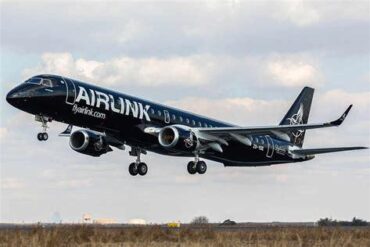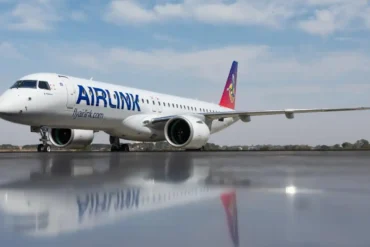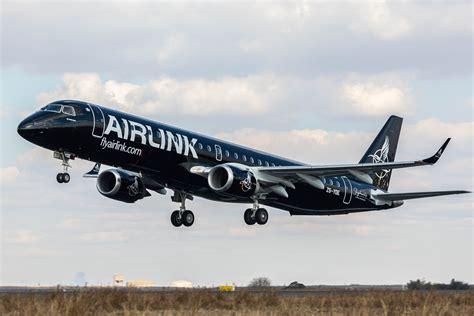
South African regional carrier Airlink is preparing for a significant fleet modernization with the lease of 10 brand-new Embraer E195-E2 aircraft from U.S.-based aircraft lessor Azorra. This strategic deal, unveiled at the Paris Air Show 2025, marks a bold move to enhance Airlink’s regional connectivity across sub-Saharan Africa while improving fuel efficiency and operating performance.
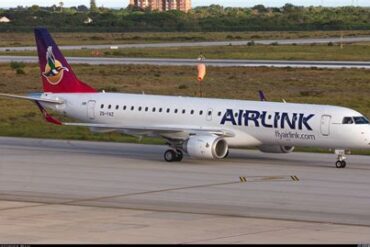
The aircraft will be delivered from Embraer’s production facilities in Brazil, beginning in late 2025 and continuing through 2027. Once finalized, the agreement will increase Airlink’s fleet size from 68 to 78 aircraft, cementing its role as the largest independent regional airline in Southern Africa.
A Strategic Leap Towards Modernization and Efficiency
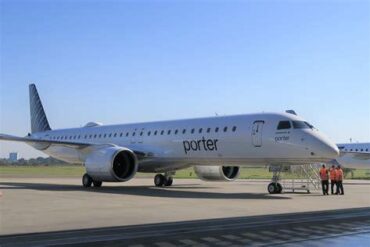
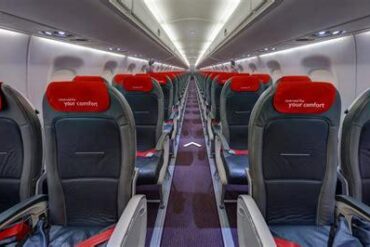
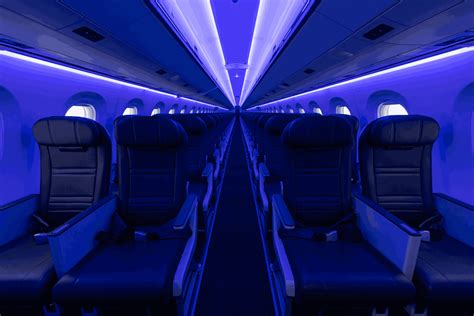
The addition of the E195-E2 is a significant upgrade over the first-generation Embraer jets currently operated by Airlink. Powered by Pratt & Whitney GTF engines, these new aircraft offer between 124 to 136 seats, roughly 33% more capacity than Airlink’s E190s, and up to 29% better fuel efficiency than the current E195 fleet.
This move comes at a critical time, as Airlink seeks to expand its footprint across underserved regional markets and leverage the strong passenger rebound in Africa’s aviation sector post-pandemic. According to Martyn Holmes, Chief Commercial Officer at Embraer Commercial Aviation, the E2 jets will provide Airlink with the tools to not only improve its unit economics, but also deliver a premium passenger experience with reduced environmental impact.
“Airlink has been a customer partner of ours since 2001, and the exceptional economics, enhanced performance, and premium product of the E2 will enable Airlink to further grow through Africa,” Holmes stated at the Paris Air Show.
E2 Advantages: Performance Meets Sustainability
The Embraer E195-E2 is known for its technological and environmental advancements. Compared to its predecessor, it offers:
- Reduced carbon emissions thanks to its high-bypass ratio engines.
- Quieter operations, meeting ICAO’s strictest noise standards.
- Lower maintenance costs, due to improved systems architecture and shared lineage with first-gen E-Jets.
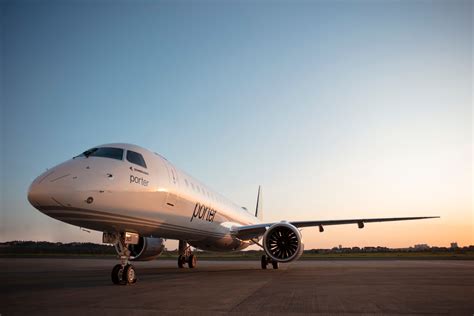
For Airlink, these improvements will directly translate into lower operating costs and a more compelling value proposition on competitive, high-demand routes. With fuel prices fluctuating and environmental pressures mounting, the 29% fuel burn improvement represents a substantial advantage.
According to Airlink CEO, de Villiers Engelbrecht, the acquisition is central to Airlink’s long-term strategy: “The E195-E2 will bolster our business, helping us to be even more competitive on key routes. It allows us to offer more seats without sacrificing efficiency, giving us flexibility and the ability to better match capacity with demand.”
Sub-Saharan Growth Vision
With this fleet expansion, Airlink is poised to ramp up operations in new and existing markets. The airline currently serves 45 destinations across 15 countries, including unique and remote locations like St Helena Island and Madagascar. The added capacity and efficiency of the E2 jets will allow Airlink to:
- Introduce new destinations in underserved regions.
- Increase frequencies on existing profitable routes.
- Improve load factors by offering capacity that matches passenger demand without oversupply.
The jets’ extended range also gives Airlink an edge in penetrating longer intra-African city pairs that are often uneconomical for larger single-aisle aircraft. This positions the carrier to further integrate economic hubs within Southern, Central, and Eastern Africa—a region that has historically lacked cohesive air connectivity.
Seamless Integration with Existing E-Jet Operations
One of the less-publicized but equally crucial benefits of this lease deal is the operational commonality between the current fleet and the new E195-E2 aircraft. This will allow Airlink to integrate the new jets without costly and time-consuming overhauls in:
- Pilot and crew training
- Maintenance procedures
- Spare parts inventory
- Flight planning systems
Embraer has emphasized the value of this “common type rating” approach, which drastically reduces transitional training times. It also means Airlink can scale more efficiently without placing undue strain on its operational infrastructure.
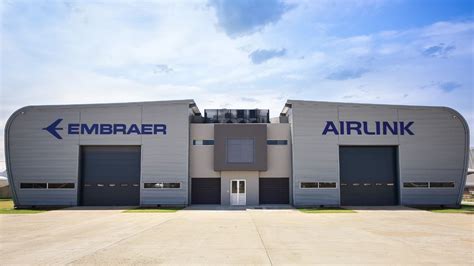
This smooth entry into service is particularly valuable for regional airlines with thinner margins and tighter turnaround times. Every hour saved on transition equals an hour earned in productive service.
Partnership Synergy: Airlink, Azorra, and Embraer
The lease agreement also underscores the growing partnership between Airlink, Embraer, and Azorra. While Embraer continues to dominate the regional jet segment with its E2 family, Azorra has been aggressive in acquiring next-generation aircraft to meet the growing demand for flexible, fuel-efficient fleets.
Azorra’s decision to place E195-E2s with Airlink is not only a vote of confidence in the airline’s operational performance but also a reflection of how lessors are actively supporting African aviation growth.
“Azorra is thrilled to partner with Airlink, one of the most respected and fast-growing carriers in Africa. We believe the E195-E2 is the right aircraft to support their next phase of growth,” said an Azorra spokesperson during the announcement.
Positioning for a Competitive Future
Africa’s aviation landscape is changing rapidly, driven by rising demand for domestic and intra-African travel, the implementation of the Single African Air Transport Market (SAATM), and increasing economic integration across borders.
Airlink’s move to acquire the E195-E2 puts it ahead of the curve by preparing for a market where cost control, fleet versatility, and sustainability will become non-negotiable competitive differentiators.
In this light, Airlink’s lease agreement with Azorra isn’t just a fleet decision—it’s a strategic pivot towards long-term viability and network dominance in the regional aviation space.
Conclusion: A Bold Step Forward
The lease of 10 Embraer E195-E2 aircraft marks a pivotal moment in Airlink’s evolution. It enhances the airline’s ability to serve existing markets more efficiently, open new destinations that were previously uneconomical, and do so while aligning with global environmental and operational benchmarks.
Backed by Embraer’s engineering and Azorra’s financial agility, Airlink is laying the groundwork for a new era of regional aviation in Africa—one that is smarter, leaner, and better equipped to connect a continent where air travel is not just a luxury but a necessity.
This is more than a lease. It’s a declaration: Airlink is ready for the next chapter.