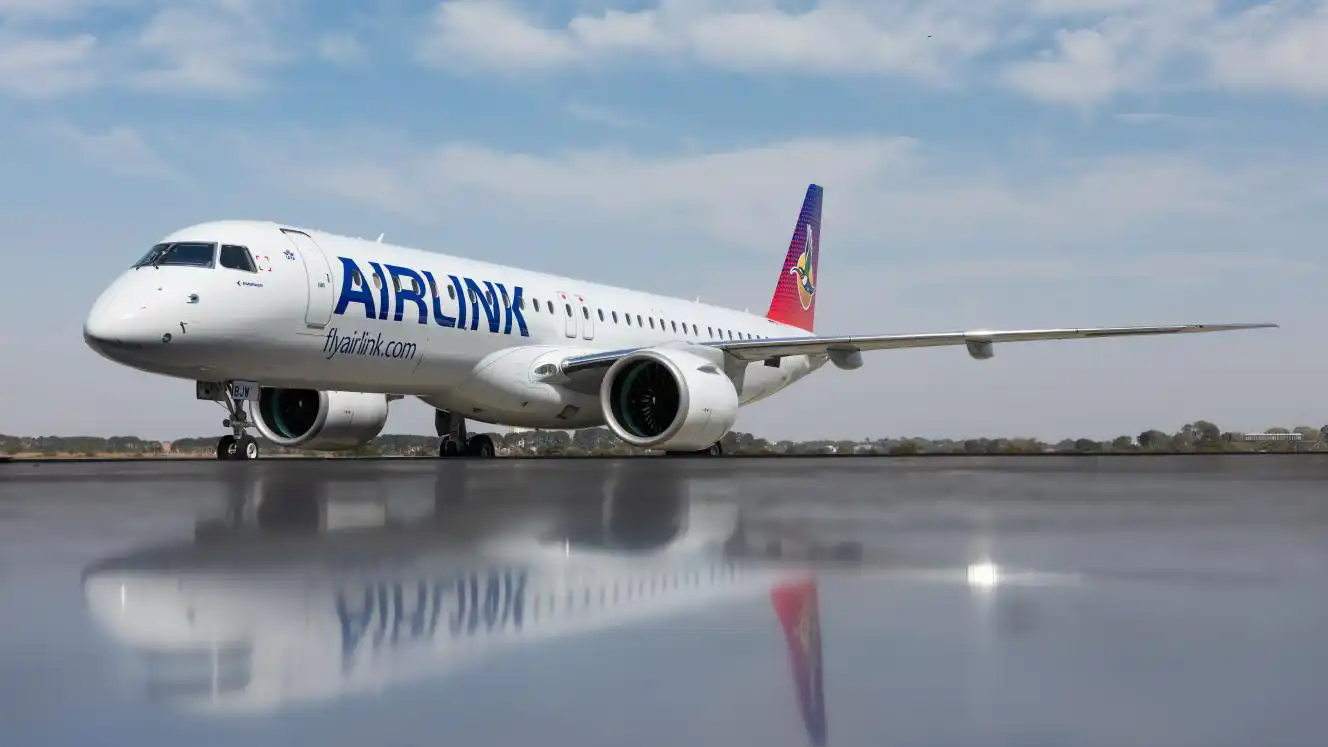
The South African carrier Airlink is preparing to reshape travel between Cape Town and the Indian Ocean with the introduction of a new nonstop service to Mauritius, marking one of its most ambitious leisure-focused expansions to date. Scheduled to begin on October 2 with a twice-weekly frequency, the route reflects a clear shift toward simplifying long-haul regional tourism by removing the need for connecting flights through Johannesburg. For passengers, this means a smoother, more direct journey between two high-demand destinations, with travel time optimized for holidaymakers who value both convenience and comfort. The airline’s decision also highlights growing competition in premium leisure corridors across Southern Africa.
A Direct Link Designed for Leisure Efficiency
The new Cape Town–Mauritius service is structured around a clear leisure strategy, aiming to maximize time spent at the destination rather than in transit. Mauritius remains one of the most sought-after island escapes for South African travelers, and Airlink’s entry into this market introduces a new competitive dynamic. By offering direct connectivity from Cape Town International Airport, the airline is effectively repositioning the city as a standalone long-haul leisure gateway rather than a secondary hub reliant on Johannesburg transfers.
The twice-weekly schedule is expected to cater to both short-stay holidaymakers and extended vacation travelers, balancing frequency with demand-driven efficiency. While exact departure times have yet to be confirmed, the operational plan suggests carefully timed services designed to avoid overnight red-eye segments and instead align with daytime travel convenience.
Competitive Pressure on a High-Demand Route
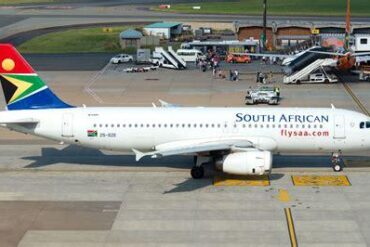
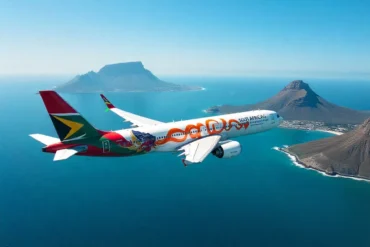
Airlink is entering an already established corridor currently served by Air Mauritius and South African Airways, both of which operate daily or near-daily flights between Cape Town and Mauritius. These competitors typically deploy larger widebody or narrowbody aircraft, including Airbus A330-900 and Airbus A320 variants, offering slightly different capacity and service profiles.
Air Mauritius currently operates flights of around five hours eastbound, while return segments extend beyond six hours depending on winds and routing. South African Airways offers similar timings, with late-night departures and early-morning arrivals designed to maximize aircraft utilization. Airlink’s positioning, however, appears focused less on frequency wars and more on comfort differentiation, aircraft modernity, and a streamlined passenger experience that reduces airport congestion and transfer friction.
New E195-E2 Fleet at the Core of Expansion
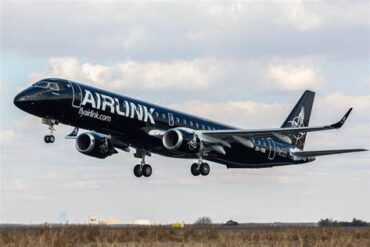
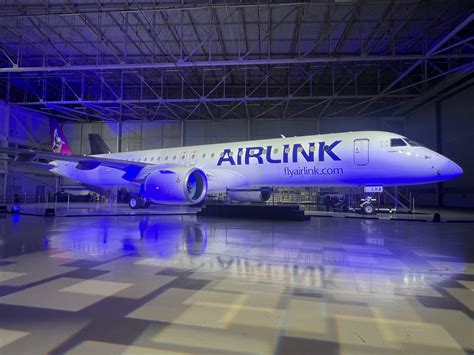
A defining feature of this new route is the deployment of Airlink’s Embraer E195-E2 aircraft, the newest addition to its all-Embraer fleet strategy. These jets represent a significant upgrade in both efficiency and passenger experience, with the airline receiving its first units in late 2025. The aircraft will be configured in a dual-class layout, offering 12 business class seats arranged in a 1-2 configuration and 112 economy seats in a 2-2 layout, bringing total capacity to 124 passengers.
Unlike traditional narrowbody layouts, the E195-E2 eliminates middle seats entirely, ensuring every passenger has either a window or aisle position. This design choice significantly improves comfort on longer sectors such as the Cape Town–Mauritius route, which is expected to approach 6.5 hours depending on winds and operational routing. With a certified range of approximately 3,000 nautical miles, the aircraft is well-suited for medium-haul ocean crossings, making it a strategic fit for Airlink’s expanding leisure network.
Onboard Experience and Passenger Comfort Focus
Airlink’s product strategy on this route emphasizes simplicity, comfort, and value-added inclusions rather than ultra-luxury segmentation. All passengers will receive complimentary meals and refreshments, aligning the service with full-service carrier expectations on long-duration regional flights. In addition, baggage allowances are structured to accommodate holiday travel needs, with economy passengers permitted between 20kg and 30kg depending on fare type.
A notable enhancement is the inclusion of an additional 15kg allowance specifically for sporting equipment, a significant advantage for travelers heading to Mauritius for diving, surfing, sailing, and golf. This positions the airline strongly within the experiential travel segment, where baggage flexibility often influences booking decisions as much as fare price or schedule timing.
The cabin design of the E195-E2 also contributes to perceived spaciousness, with modern lighting, reduced noise levels, and improved seat ergonomics enhancing the overall flight experience. For a sector of over six hours, these refinements are critical in maintaining passenger comfort without the need for widebody aircraft deployment.
Strategic Positioning in the Indian Ocean Market
Airlink’s expansion into Mauritius is more than a simple route launch; it reflects a broader strategic push into high-yield leisure corridors. Cape Town’s growing status as a tourism hub allows the airline to bypass traditional reliance on Johannesburg, streamlining operations while tapping into a premium outbound travel market. This shift also reduces congestion pressure at major hub airports and improves point-to-point connectivity for long-haul regional travelers.
By selecting the E195-E2 for this route, Airlink is signaling confidence in next-generation regional jets as viable alternatives to larger narrowbody aircraft on select medium-haul leisure sectors. The decision also aligns with global aviation trends favoring right-sized aircraft that balance operational efficiency with passenger comfort.
A New Chapter for Regional Long-Haul Travel
The introduction of a 6.5-hour nonstop service between Cape Town and Mauritius represents a meaningful evolution in Southern African aviation connectivity. It combines aircraft innovation, route optimization, and tourism demand into a single product designed for modern travel expectations. As competition intensifies on this corridor, passengers stand to benefit most from improved schedules, enhanced cabin comfort, and greater flexibility in choosing how they reach one of the Indian Ocean’s most iconic destinations.
Airlink’s entry into this market underscores a broader transformation in regional aviation—one where efficiency no longer comes at the expense of comfort, and where even medium-haul flights are being redefined as premium travel experiences.