Cape Town has unveiled a transformative marketing campaign designed to elevate its status as both a premier tourism destination and a thriving hub for international investment. Revealed during the prestigious Hotel and Hospitality Expo Africa 2025, this initiative introduces an inventive yet deceptively simple idea: placing coat-hanger information cards inside hotels and guesthouses across the city. This novel approach not only targets tourists at their most impressionable moments but also opens clear, digital pathways to Cape Town’s diverse offerings.

Smart Simplicity Meets Strategic Placement
The campaign’s hallmark is its minimalist design fused with maximum impact. Each coat-hanger card features prominently displayed QR codes, offering instant access to two powerful platforms: This is Cape Town, which showcases tourism highlights, and Invest Cape Town, a portal into the city’s investment ecosystem. This initiative is about more than aesthetics—it’s about placement with purpose.
By integrating these cards into hotel rooms, Cape Town ensures that guests engage with local offerings in real-time, as they plan excursions or business ventures. According to Alderman James Vos, the City’s Mayoral Committee Member for Economic Growth, this is a “tangible, low-barrier invitation” to delve into the city’s rich tourism and investment tapestry.
Strategic Collaboration With Industry Leaders
The success of this campaign hinges on robust industry collaboration. A key ally, the Federated Hospitality Association of Southern Africa (Fedhasa), has played an instrumental role in distributing the cards across Cape Town’s hospitality network. This public-private synergy ensures the initiative resonates at every level of the guest experience.
Lee-Anne Singer, Chairperson of Fedhasa Cape, praised the campaign’s cleverness, calling it a “powerful hook” for igniting travel interest and economic engagement. She emphasized Fedhasa’s vital function as a bridge between the public sector and private operators, a role that continues to fuel the broader growth of the city’s tourism and hospitality landscape.
Tourism Momentum Signals Recovery and Growth
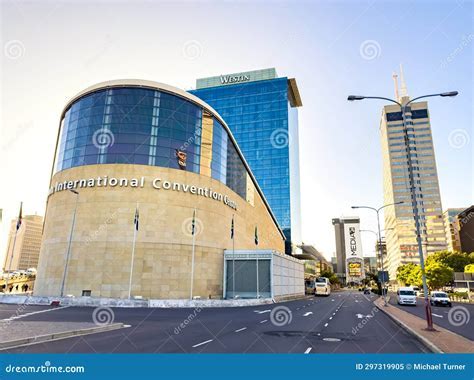
Cape Town’s tourism numbers are clearly on the rise. In April 2025, the city recorded a hotel occupancy rate of 64.6%, well above the national average of 56.3%. The uptick isn’t limited to leisure tourism. Business tourism has also seen significant traction, with the Cape Town & Western Cape Convention Bureau securing 36 event bids for the 2024/25 financial year alone.
These events are expected to attract more than 27,000 international delegates by 2028, injecting a projected R745 million into the local economy. This surge solidifies Cape Town’s growing reputation as a top-tier destination for global conferences and trade events.
Five Pillars Powering Cape Town’s Strategic Growth
The coat-hanger campaign forms part of a larger five-point strategy aimed at amplifying Cape Town’s global appeal. Spearheaded by Alderman Vos, this strategic framework emphasizes interconnected areas of opportunity:
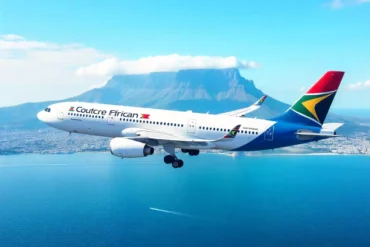
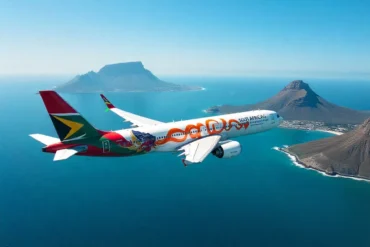
- Air Access Expansion – Attracting more airlines and increasing flight frequencies to boost tourist arrivals.
- Cruise Liner Growth – Positioning Cape Town as a leading cruise port, leveraging its scenic coastlines and port infrastructure.
- Event-Driven Promotion – Hosting major global conferences, festivals, and trade expos to attract both leisure and business travelers.
- Tourism Product Diversification – Developing a wider range of activities and experiences, from adventure to eco-tourism.
- Targeted Marketing Campaigns – Crafting laser-focused promotional efforts to maximize visibility and ROI.
Vos points out that every 100 additional air arrivals generate two new jobs, underlining the campaign’s contribution not just to tourism, but to job creation and economic resilience.
Continuing Cape Town’s Narrative Through Niche Experiences
Cape Town’s latest campaign builds upon an evolving brand identity that prioritizes authentic, immersive experiences. Platforms like This is Cape Town continue to highlight curated activities that range from scenic cycling routes and premium golfing to thrilling ocean adventures—all experiences that appeal to niche markets of high-value travelers.
These experiences are more than leisure—they are storytelling tools that communicate Cape Town’s ecological richness, cultural vibrancy, and entrepreneurial spirit. Whether it’s a sunrise cycle along Chapman’s Peak or teeing off with Table Mountain as a backdrop, the campaign reinforces the city’s unmatched variety.

Investment-Friendly Infrastructure and Policy
While tourism remains the emotional heart of the campaign, investment is the intellectual cornerstone. The Invest Cape Town portal introduces global business leaders to an ecosystem ripe with opportunity—from real estate to tech startups. Cape Town’s business environment benefits from streamlined regulatory processes, well-developed infrastructure, and government-backed incentives aimed at reducing barriers to entry.
Cape Town’s strategic placement on the African continent, its cosmopolitan population, and world-class logistics networks make it a natural gateway for African expansion. The city government’s proactive stance on marketing Cape Town as a low-risk, high-reward investment zone speaks directly to global investors seeking stability with upside.
Hospitality Sector as a Key Catalyst
The hospitality sector has become a linchpin in Cape Town’s broader economic strategy. With Fedhasa at the helm of private collaboration, hotels and guesthouses have transitioned from being passive accommodations to active distribution points for strategic messaging.
By embedding marketing tools directly into these venues, the campaign ensures that travelers interact with Cape Town’s brand identity during their stay, thereby increasing the likelihood of conversion—whether that be a museum visit, a vineyard tour, or even a long-term business venture.
The integration of QR technology offers real-time analytics, enabling marketers to track engagement, optimize content, and refine targeting strategies. It is, in essence, a feedback loop that allows the city to respond dynamically to traveler behavior and investor sentiment.
A Model for Other Global Cities
Cape Town’s campaign sets a compelling precedent for how cities can market themselves smarter, not louder. In a saturated tourism market where digital noise overwhelms attention spans, the strategic use of tactile engagement tools—like coat-hanger QR cards—offers a refreshing return to real-world interaction.
Moreover, Cape Town’s focus on local partnerships, data-driven insights, and seamless UX design reveals a nuanced understanding of how to convert passive visitors into active participants in the local economy. It’s not just a marketing strategy—it’s an economic blueprint.
Looking Ahead: Sustained Momentum and Evolving Tactics
Cape Town’s administration has signaled its intent to keep refining and expanding this initiative. As the QR card program is monitored and scaled, further enhancements are anticipated—such as multi-language support, interactive video content, and dynamic itinerary generators embedded in the digital platforms.
There’s also potential to extend the campaign beyond the hospitality sector, with cards appearing in transport hubs, retail outlets, and cultural venues. The goal: create a fully integrated ecosystem where the tourism and investment narratives reinforce one another across every touchpoint.
Conclusion: A Blueprint for Resilient Urban Growth
Cape Town’s new campaign demonstrates the power of simplicity backed by strategic vision. By focusing on real-time engagement, partnership-driven execution, and smart use of digital tools, the city has created a replicable model for urban marketing in the 21st century.
It’s a reminder that successful cities don’t just market their amenities—they curate meaningful interactions. And Cape Town, with its blend of natural wonder and economic promise, is once again proving that it knows how to capture both the heart and the mind.