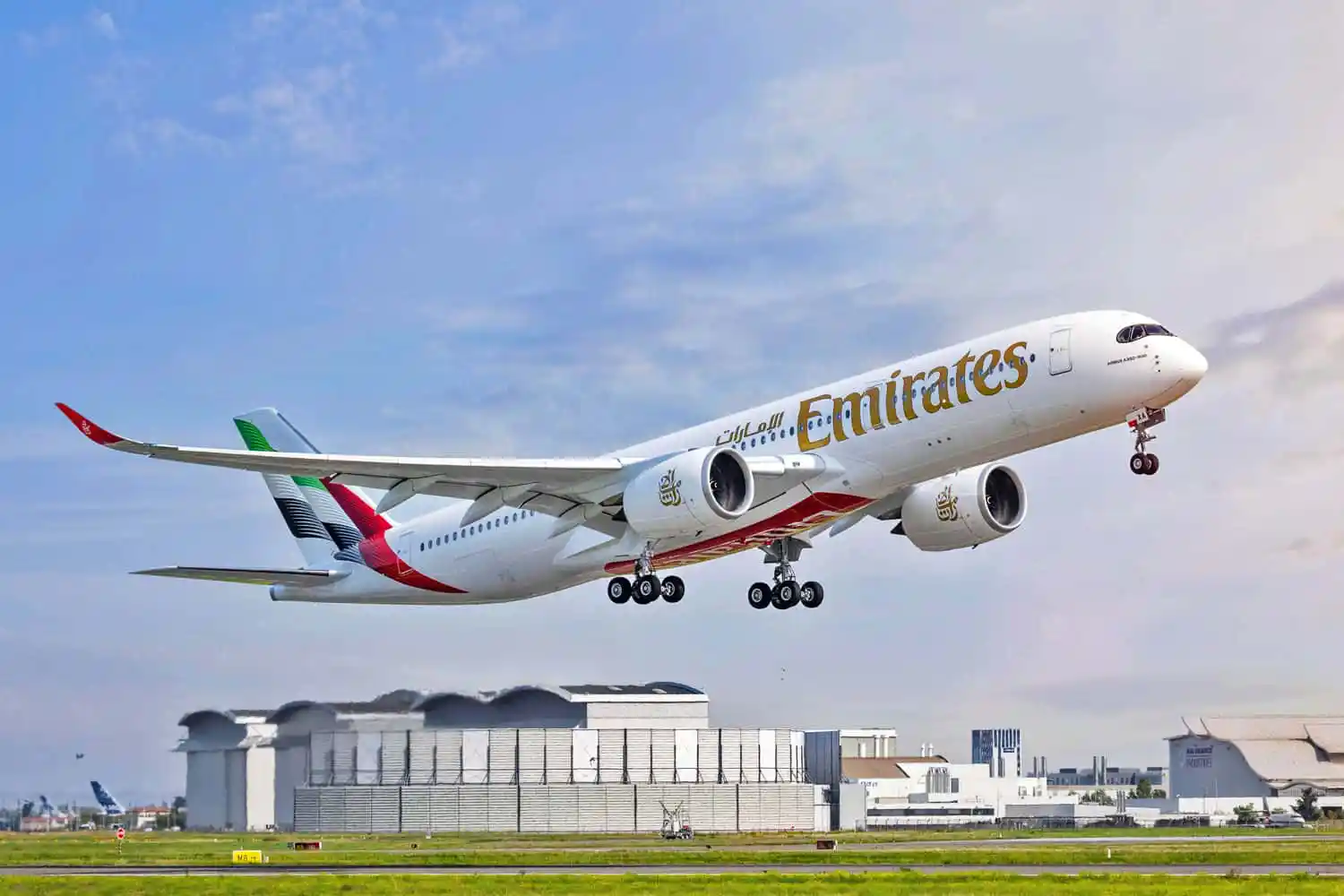
Emirates has made a strategic decision that demonstrates the evolving landscape of international aviation. While the Airbus A380 remains the flagship of luxury air travel, the airline’s choice to deploy the Airbus A350-900 for its new third daily service to Cape Town reveals a sophisticated understanding of market dynamics and operational efficiency. This decision represents more than just aircraft selection – it’s a calculated move that prioritizes passenger experience, route optimization, and sustainable growth over sheer size and spectacle.
The Dubai-based carrier has built its reputation on operating the world’s largest passenger aircraft, but the Cape Town route exemplifies why bigger isn’t always better in modern aviation. The A350’s deployment signals Emirates’ commitment to matching aircraft capabilities with specific market demands, creating a more refined and economically viable service offering that benefits both the airline and its passengers.
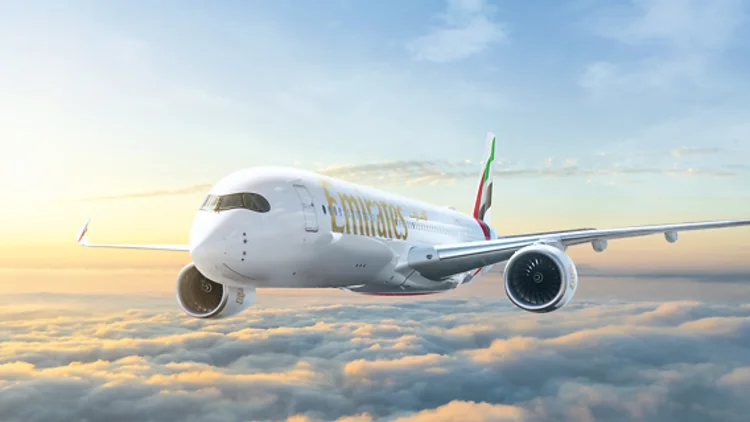
Starting July 1, Emirates will launch its third daily service between Dubai International Airport and Cape Town International Airport, operated exclusively by the A350-900. This addition complements the existing two daily Boeing 777-300ER services, creating a comprehensive network that serves different passenger segments and travel preferences throughout the day.
The Strategic Advantage of A350 Operations
The Airbus A350-900 brings several operational advantages that make it superior to the A380 for the Cape Town route. Unlike the double-decker giant, the A350 offers optimal capacity management without the risk of creating excess market supply. Cape Town’s passenger demand, while consistently strong, doesn’t require the massive 615-seat capacity that Emirates’ A380 configuration provides. The A350’s more modest capacity allows for better load factor management and pricing flexibility.
Emirates’ decision reflects a nuanced understanding of the South African aviation market. The airline reports that inbound demand from the Gulf Cooperation Council continues growing, while outbound traffic to Europe and the US East Coast remains robust. This bidirectional demand pattern suits the A350’s capacity profile perfectly, enabling Emirates to capture premium traffic without diluting yields through oversupply.
The aircraft’s fuel efficiency compared to the A380 also plays a crucial role in route profitability. The A350’s advanced aerodynamics and lightweight composite construction deliver significant fuel savings per passenger, making it more economically sustainable for markets where ultra-high capacity isn’t required.
Premium Economy: The Game-Changing Cabin Class
Emirates’ premium economy cabin represents one of the most significant developments in the airline’s service evolution. The A350 deployment to Cape Town will feature this intermediate cabin class, positioned between business and economy, addressing a growing market segment that seeks enhanced comfort without business class pricing.
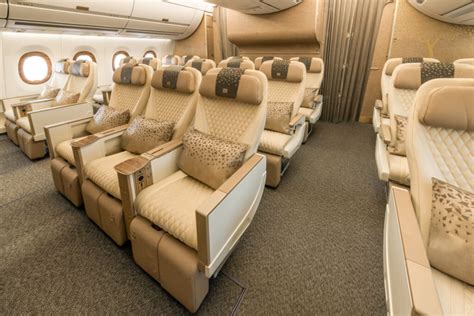
The premium economy product offers passengers increased legroom, wider seats, and enhanced dining options compared to standard economy, while maintaining accessibility for leisure travelers and cost-conscious business passengers. For the Cape Town route, this cabin class is particularly relevant given the mix of tourist and business traffic that characterizes South Africa-Gulf travel patterns.
This strategic positioning allows Emirates to capture revenue from passengers who might otherwise choose competitor airlines offering similar intermediate products. The timing aligns perfectly with the post-pandemic travel recovery, where passengers increasingly prioritize comfort and are willing to pay moderate premiums for enhanced experiences.
Network Connectivity and Hub Strategy
The third daily Cape Town service strengthens Emirates’ hub-and-spoke model at Dubai International Airport. The A350’s schedule has been strategically designed to optimize connections for passengers traveling between Cape Town and destinations including London, Dublin, Mumbai, Brussels, and various Asian markets.
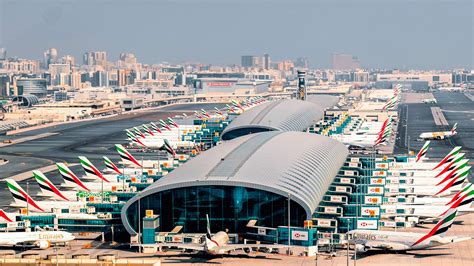
This connectivity enhancement demonstrates why the A350 is more suitable than the A380 for this particular route. The aircraft’s operational flexibility allows Emirates to schedule departures and arrivals that maximize connection opportunities, something that would be more challenging with the A380’s longer turnaround requirements and gate constraints.
The hub connectivity strategy also supports Emirates’ broader African network development. South Africa serves as a crucial gateway for the airline’s continental operations, and the enhanced Cape Town service strengthens the airline’s competitive position against other Middle Eastern carriers and European airlines serving the region.
Competitive Positioning in the South African Market
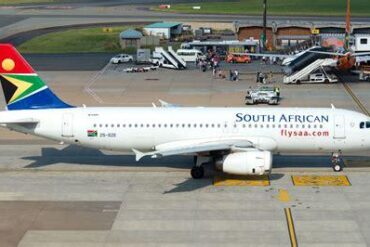
Emirates operates an impressive eight daily services across three South African destinations: Johannesburg, Cape Town, and Durban. This extensive network demonstrates the airline’s commitment to the South African market and its confidence in long-term growth prospects.
The A350 deployment to Cape Town creates a differentiated service offering that complements rather than competes with the existing 777-300ER services. While the Boeing aircraft continue to serve established passenger flows, the A350 targets the growing premium leisure segment and business travelers seeking the latest cabin innovations.
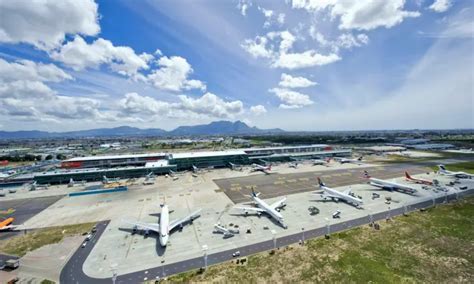
This multi-aircraft strategy allows Emirates to optimize capacity deployment across different times of day and passenger segments. The morning A350 departure provides excellent connectivity for European destinations, while the existing 777 services maintain their established passenger base and routing patterns.
Future Fleet Strategy and Route Development
Emirates’ A350 deployment represents part of a broader fleet modernization strategy that extends beyond Cape Town. The airline plans to introduce premium economy services to ten destinations this year, including Barcelona, Mexico City, Rome, Copenhagen, and several Asian destinations.
The success of the Cape Town A350 service will likely influence Emirates’ future aircraft deployment decisions across similar markets. Routes with strong demand but not requiring A380 capacity become prime candidates for A350 operations, allowing the airline to maintain its premium positioning while optimizing operational efficiency.
The retrofit program for existing 777 aircraft to include premium economy cabins further demonstrates Emirates’ commitment to product enhancement across its fleet. This comprehensive approach ensures consistency in passenger experience regardless of aircraft type, while maximizing revenue opportunities across different market segments.
Emirates’ choice of the A350 over the A380 for Cape Town’s third daily service exemplifies modern aviation strategy at its finest. By prioritizing operational efficiency, passenger experience, and market-appropriate capacity, the airline has created a service offering that better serves passenger needs while maintaining commercial viability. This decision reinforces that in today’s aviation landscape, strategic aircraft deployment often trumps the spectacle of operating the world’s largest passenger aircraft.