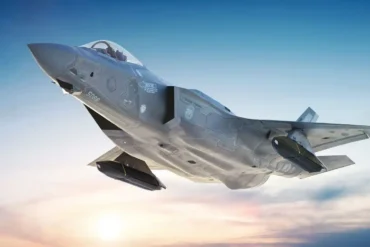
The F-35 Lightning II has rapidly cemented its position as a cornerstone of modern air dominance, boasting extraordinary kill ratios in both simulated combat exercises and real-world operations. As fifth-generation multirole stealth fighters, the F-35 series—particularly the F-35A, F-35B, and F-35C—has demonstrated an unparalleled ability to neutralize enemy aircraft and systems while remaining virtually undetected. These high kill ratios, often cited in the range of 15:1 to 60:1, have triggered both admiration and skepticism across the defense community.
Red Flag Exercises: Where the Kill Ratio Legend Began
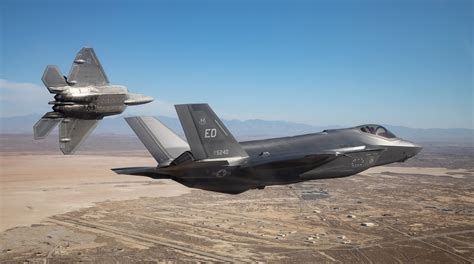
One of the most referenced demonstrations of the F-35’s lethality occurred during the Red Flag 17-1 exercise held in early 2017 at Nellis Air Force Base. Here, F-35A fighters achieved a 20:1 kill ratio. This meant for every F-35 “lost,” twenty simulated enemy aircraft were successfully “destroyed.” In a follow-up Red Flag iteration, a slightly lower but still staggering 15:1 kill ratio was recorded.
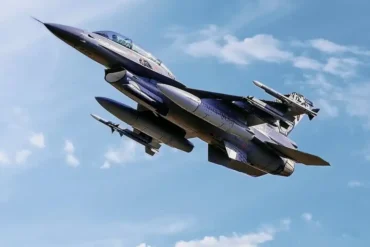
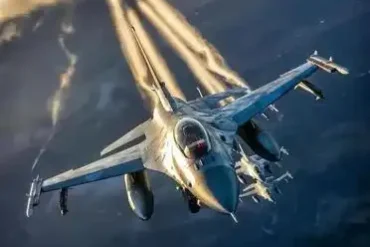
These exercises involved engagements with fourth-generation adversaries such as F-16 Fighting Falcons and other legacy platforms, where the F-35’s stealth, sensor fusion, and networked warfare capabilities provided a dominant edge. The ability of the F-35 to coordinate with B-1B Lancer bombers and direct attacks from legacy aircraft amplified its battlefield presence far beyond a typical dogfighting role.
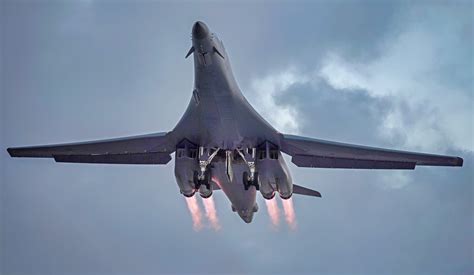
The key to this success lay in beyond-visual-range (BVR) engagement dominance. The F-35 frequently detected and neutralized opposing aircraft before they were even aware of its presence, a testament to the aircraft’s AN/APG-81 AESA radar, Distributed Aperture System (DAS), and Electro-Optical Targeting System (EOTS).
The 2023 Exercise and the 60:1 Controversy
In 2023, another exercise further raised eyebrows by reporting a 60:1 kill ratio for the F-35. This result, however, came under considerable scrutiny. The opposition in this drill consisted of F-117 Nighthawks and T-38 Talons, neither of which represent contemporary stealth or high-performance adversaries.
Analysts swiftly criticized the unrealistic nature of this exercise, highlighting the lack of modern radar-equipped opponents, such as the Chinese J-20 Mighty Dragon or the Russian Su-57 Felon. Some even speculated that the test conditions were designed to reinforce funding narratives rather than provide balanced simulation results. Nevertheless, even if exaggerated, these exercises still underscored the dominant performance envelope of the F-35 when operating under favorable conditions.
Real-World Combat: The Israeli Success Story
In contrast to simulations, real-world data carries a different weight, and in this regard, the Israeli Air Force (IAF) has demonstrated how lethal the F-35 can be in combat zones. During 2020 operations over Syria, Israeli F-35I “Adir” variants reportedly destroyed over 20 Iranian military targets and eliminated five Syrian air defense batteries, all without a single aircraft being damaged or lost.
This operation marked one of the first confirmed uses of the F-35 in high-risk strike roles, confirming that its combat survivability and strike precision extended beyond the test environment. The aircraft’s ability to fly deep into contested airspace, evade enemy detection systems, and carry out precision attacks is widely credited to its internal weapon bays, stealth coating, and real-time battlefield data integration.
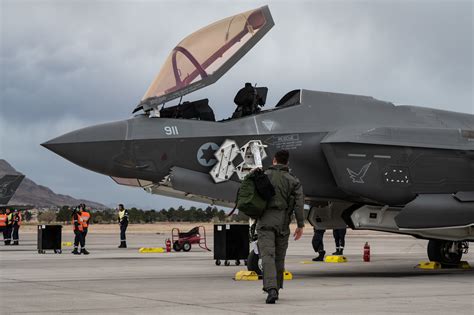
Similar success has been echoed in U.S. and UK operations, particularly in the Middle East, where F-35s conducted high-risk missions targeting ISIS infrastructure and strategic military compounds. Again, no losses were reported, reinforcing the aircraft’s reputation for first-strike dominance.
Stealth and Sensor Fusion: The Technological Foundation
At the core of the F-35’s extraordinary kill ratios is a fusion of stealth and digital warfare capabilities. The aircraft’s low observable design, combined with its radar-absorbing materials, dramatically reduces its radar cross-section (RCS). This stealth, however, is only one part of its advantage.
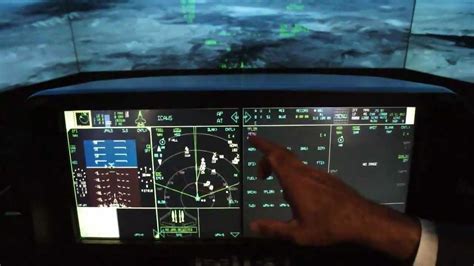
Equipped with the AN/APG-81 AESA radar, the F-35 can detect enemy targets at long ranges and engage without revealing its own position. The DAS and EOTS provide 360-degree situational awareness and target tracking, allowing pilots to see and engage the enemy through their helmet-mounted displays, sometimes before the enemy is even airborne.
The seamless fusion of data from all sensors gives the pilot a comprehensive battlefield picture, significantly reducing reaction time. When combined with advanced electronic warfare suites, the F-35 can jam enemy radar, spoof incoming threats, and coordinate attacks across multiple domains.
The Power of Network-Centric Warfare
Another element underpinning the F-35’s kill ratio is its role as a digital hub in the sky. In joint exercises, the F-35 has been observed coordinating the release of long-range cruise missiles from B-1B bombers, guiding legacy aircraft like the F-16, and even transferring targeting data to naval vessels and drones.
This interoperability multiplies the combat capability of an entire task force. Instead of acting alone, the F-35 operates as a force multiplier, extending its reach and influence well beyond its own weapons payload. In modern combat, the ability to coordinate strikes in real time is just as critical as pulling the trigger.
Armament and Strike Versatility
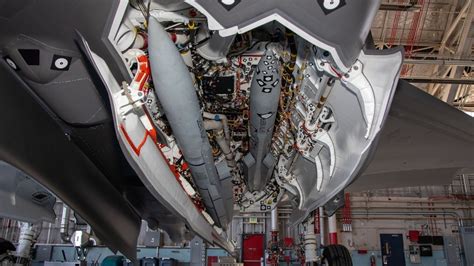
Armed with AIM-120 AMRAAM and AIM-9X Sidewinder missiles, GBU-31 JDAMs, and future integration of AIM-260 Joint Advanced Tactical Missiles, the F-35 is capable of dominating both air-to-air and air-to-ground domains. The aircraft maintains stealth during missions by carrying these munitions in its internal bays, although it can expand payload externally when stealth is not critical.
Its 25mm GAU-22/A cannon, mounted internally on the F-35A variant, has drawn criticism for its limited ammo capacity (180 rounds) and accuracy concerns. While effective in theory, its value in sustained close-range dogfighting is seen as secondary to its BVR engagement doctrine.
Limitations That Could Affect Kill Ratios
Despite its exceptional performance, the F-35 program is not without drawbacks. One major limitation is its heavy reliance on stealth. In scenarios where stealth is compromised—such as when carrying external fuel tanks or weapons pods—the F-35’s survivability and effectiveness can significantly decline.
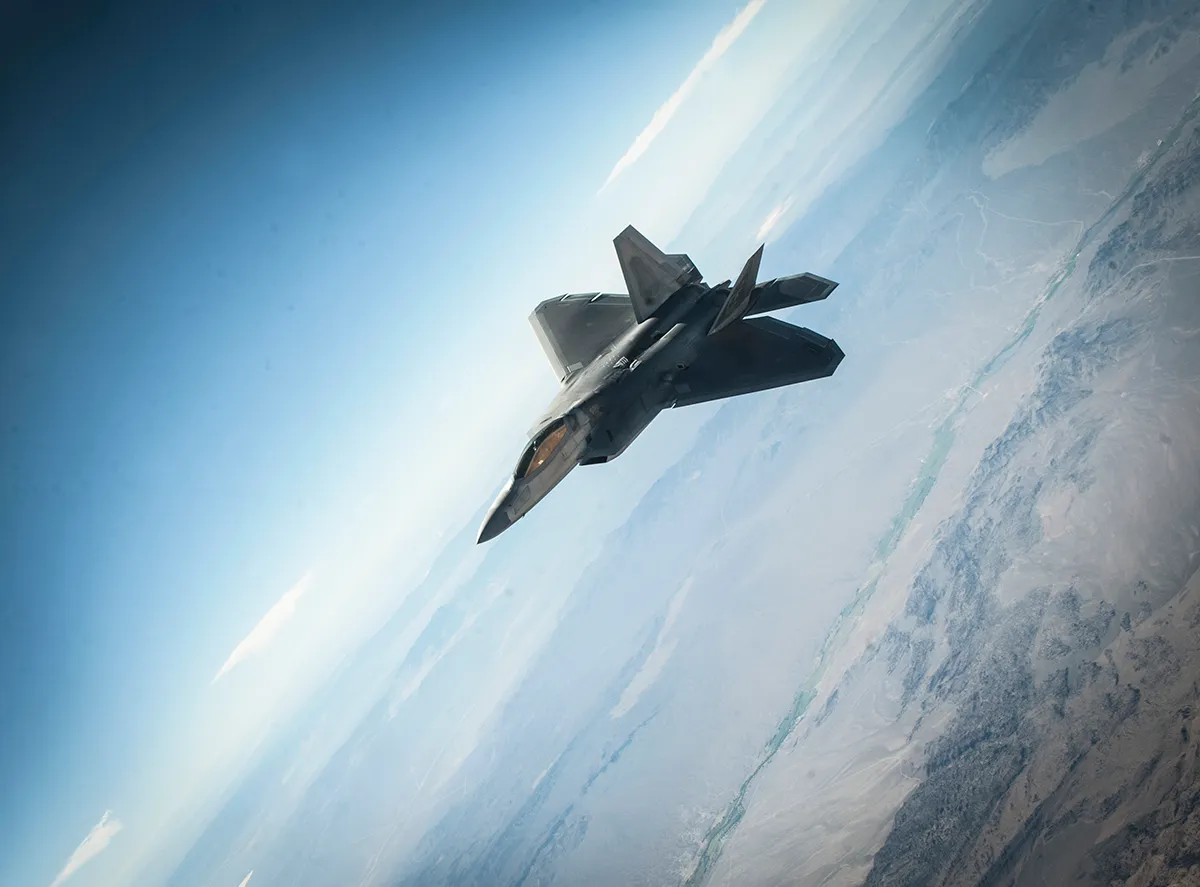
Additionally, the F-35 faces limitations in sustained dogfighting, especially when compared to aircraft like the F-22 Raptor, which was designed with greater agility in mind. Moreover, the aircraft’s operational cost, currently averaging $34,000 per flight hour, raises concerns regarding its long-term affordability for broad-scale deployments.
Critics also point to potential vulnerabilities when facing peer adversaries equipped with next-generation radar systems, hypersonic weapons, and AI-driven command structures. The Chinese J-20 and Russian Su-57, while not as mature as the F-35, represent future threats capable of disrupting the current kill ratio narrative.
Evolving Capabilities: Future-Proofing the Kill Edge
The F-35’s continued dominance will depend on Block 4 upgrades, which aim to significantly enhance its sensor suite, electronic warfare capabilities, and weapons integration. The inclusion of AIM-260 missiles, new infrared search-and-track (IRST) sensors, and advanced data-link architectures are expected to maintain the F-35’s advantage against evolving threats.
Further down the line, adaptive engine technology under development promises better fuel efficiency, higher thrust, and reduced thermal signature—directly enhancing both mission range and stealth.
Conclusion
The F-35’s documented kill ratios ranging from 15:1 to 60:1 underscore its exceptional performance in both simulated and real-world combat. With unmatched stealth, sensor fusion, and network-centric warfare capabilities, it has redefined the expectations of modern air superiority platforms. However, its performance is most pronounced when facing non-stealth adversaries under optimal conditions. In high-threat environments with peer-level opponents, its technological supremacy may be challenged, potentially reducing its kill ratios.
Nonetheless, with continual upgrades and integration into joint force operations, the F-35 remains a transformative asset, capable of dominating tomorrow’s battlefields as effectively as it does today’s.
FAQs
What is the highest kill ratio ever recorded by the F-35?
The highest publicly reported kill ratio for the F-35 was 60:1, achieved during a 2023 U.S. Air Force exercise. However, this figure is contentious due to the nature of the simulated opposition, which included non-stealthy, legacy aircraft like the F-117 and T-38.
Has the F-35 ever been shot down in combat?
To date, no F-35 has ever been shot down in combat. Multiple operations conducted by the U.S., Israel, and the United Kingdom have resulted in successful missions with zero aircraft losses, reinforcing the platform’s superior survivability.
How does the F-35 compare to China’s J-20 in terms of kill ratio potential?
While the F-35 has demonstrated higher kill ratios in U.S.-led simulations, the J-20’s actual combat performance remains untested. Experts agree that in a high-end conflict scenario, the F-35’s kill ratio may drop significantly against a stealth peer adversary like the J-20, especially in contested airspaces like the South China Sea.