The F-16 Fighting Falcon is renowned for its exceptional maneuverability and advanced avionics. While primarily designed for high-speed combat, its aerodynamic efficiency also plays a crucial role in gliding performance—an essential factor in emergency scenarios such as engine failure. This article provides an in-depth analysis of the F-16 glide ratio, its influencing factors, and real-world implications.
Aerodynamic Efficiency and Glide Characteristics
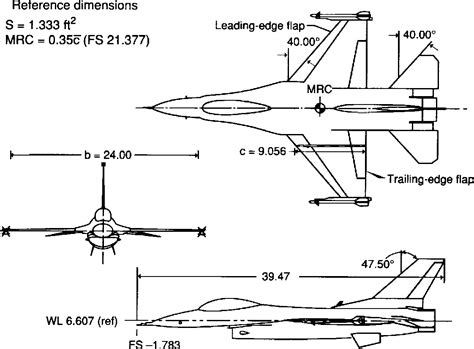
Wing-Body Integration and Lift-to-Drag Optimization
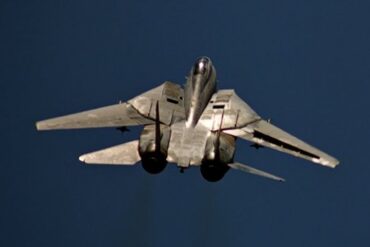
The F-16 features a blended wing-body design, which minimizes drag and enhances aerodynamic efficiency. Unlike traditional fighters with distinct fuselage and wings, the F-16’s fuselage contributes significantly to overall lift generation.
Key design elements optimizing glide performance include:
- Trapezoidal Wings: The F-16’s wings provide an optimized lift-to-drag ratio (L/D), ensuring efficient flight even in a power-off glide.
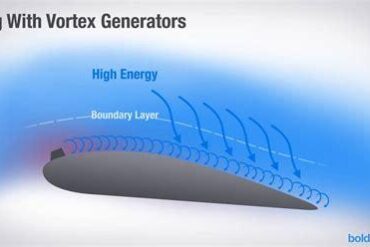
- Leading-Edge Extensions (LEX): These generate vortices that enhance lift, especially at high angles of attack, improving the aircraft’s ability to maintain controlled glides.
- Variable Camber Wing Technology: The aircraft’s automatic flap adjustments allow it to optimize lift and drag based on flight conditions, significantly impacting its glide efficiency.
Empirical Glide Ratio Estimates
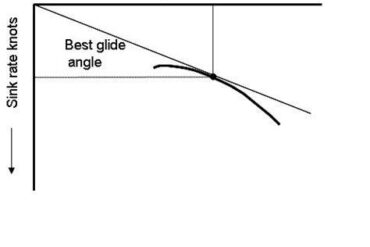
Based on available data and historical references, the F-16 exhibits a glide ratio of approximately 9:1 to 11:1 under ideal conditions. This means that for every 1 unit of altitude lost, the aircraft can travel 9 to 11 units forward in a power-off glide.
Several variables influence this ratio:
- Aircraft Configuration: A clean aircraft (without external fuel tanks, missiles, or other stores) achieves a higher L/D ratio, improving glide range.
- Speed and Angle of Attack: Maintaining an optimal glide speed of 250-300 knots maximizes aerodynamic efficiency.
- Weight: Reduced fuel load and minimal ordnance result in better glide performance.
- Pilot Input: Proper energy management is critical to optimizing glide distance.
Operational Considerations and Glide Testing
Glide Weapon System Testing on the F-16
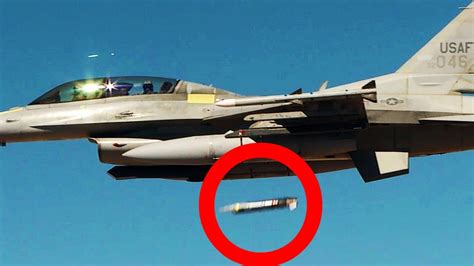
The Autonomous Free-flight Dispenser System (AFDS), tested on the F-16, serves as an example of how the aircraft accommodates high L/D glide munitions. These glide bombs achieve a maximum range of 130 km, indicating the aircraft’s ability to integrate and support aerodynamic glide systems.
Historical Example: Dutch F-16 Glide Incident (1996)
One of the most documented F-16 glide scenarios occurred in 1996, when a Dutch F-16 lost engine power at 33,000 feet. The pilot successfully executed a glide maneuver for approximately 54 nautical miles (62 statute miles) before safely landing. This yields an effective glide ratio of roughly 10:1, reinforcing the theoretical estimates of the aircraft’s power-off efficiency.
Performance Limitations Affecting Glide Ratio
Despite its efficient aerodynamic design, the F-16’s glide performance is constrained by several factors:
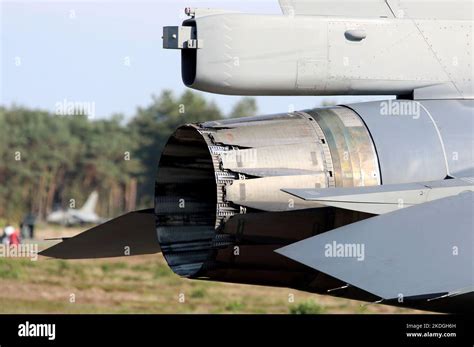
- Single-Engine Design: Unlike twin-engine fighters that offer redundancy, the F-16 relies entirely on a single powerplant, making power-off scenarios riskier.
- External Load Impact: When carrying external fuel tanks, missiles, or additional ordinance, drag increases, significantly reducing the glide ratio—potentially dropping to as low as 5:1 under extreme conditions.
- Flight Control Sensitivity: While fly-by-wire controls provide exceptional maneuverability, power-off handling characteristics still require pilot proficiency to manage energy loss effectively.
Tactical and Training Implications
Emergency Procedures for Engine-Out Scenarios
F-16 pilots are rigorously trained to handle engine-out glide situations. This training focuses on:
- Best Glide Speed Maintenance: Ensuring an optimal 250-300 knot airspeed maximizes range.
- Energy Management: Avoiding excessive maneuvers that induce drag and disrupt glide path efficiency.
- Emergency Landing Site Identification: Pilots are trained to assess terrain and make real-time decisions for safe landings, whether on runways or emergency fields.
Comparing F-16 Glide Ratio to Other Fighter Aircraft
When compared to twin-engine fighters like the F/A-18 Super Hornet or the Eurofighter Typhoon, the F-16’s glide ratio is slightly lower due to its single-engine design. However, its lighter airframe and efficient aerodynamics allow it to remain competitive in power-off flight scenarios.
| Aircraft Model | Estimated Glide Ratio |
|---|---|
| F-16 Fighting Falcon | 9:1 – 11:1 |
| F/A-18 Super Hornet | 10:1 – 12:1 |
| Eurofighter Typhoon | 11:1 – 13:1 |
| F-22 Raptor | 10:1 – 12:1 |
Frequently Asked Questions (FAQ)
1. How far can an F-16 glide without engine power?
Under optimal conditions, an F-16 can glide approximately 9 to 11 miles per 1 mile of altitude lost. In a real-world case, a Dutch F-16 successfully glided over 54 nautical miles from 33,000 feet.
2. What factors can reduce the F-16’s glide performance?
External fuel tanks, missiles, increased weight, and incorrect speed management can significantly decrease the glide ratio. Under extreme conditions, the glide ratio may drop to as low as 5:1.
3. Is the F-16’s glide ratio comparable to civilian aircraft?
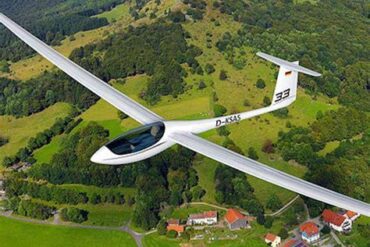
No. Civilian gliders or even commercial airliners have significantly better glide ratios. For instance, a Boeing 747 has an estimated glide ratio of 17:1, while dedicated gliders can exceed 30:1.
Conclusion
The F-16 Fighting Falcon, despite being a high-performance combat aircraft, exhibits remarkable gliding capabilities when needed. With a glide ratio of 9:1 to 11:1, pilots can extend their flight distance in engine-out scenarios, ensuring greater survivability. However, configuration, weight, and pilot skill play crucial roles in optimizing glide efficiency. Understanding these dynamics is vital for both military aviation specialists and aviation enthusiasts alike.