When booking flights, many travelers often encounter a situation where purchasing a round-trip (RT) ticket is significantly cheaper than booking a one-way flight. This has led some passengers to wonder if they can simply skip the return leg without facing any penalties. The practice of booking a round-trip ticket with the intent to not show up for the return flight is referred to as throwaway ticketing. Although it might seem like a clever way to save money, there are serious implications for travelers who consider this approach.
The Concept of Throwaway Ticketing and Its Risks
Throwaway ticketing is an informal term used to describe the practice of purchasing a round-trip ticket but only using the outbound leg of the flight, intending to skip the return journey. This is often done in scenarios where a one-way ticket costs significantly more than a round-trip ticket, especially for international flights. For example, a traveler flying from London to the United States might find that booking a round-trip flight is several hundred dollars cheaper than purchasing a one-way ticket for the same route.
However, while the price difference might appear enticing, this practice comes with risks, particularly concerning the airline’s Contract of Carriage (CoC). Throwaway ticketing violates the spirit of the airline’s rules, as passengers are deliberately not using a segment of the flight itinerary for which they have already paid. Although the airlines may not penalize passengers for a single occurrence, repeatedly engaging in throwaway ticketing can result in lost frequent flyer status or other penalties.

Legal and Contractual Implications for Throwaway Ticketing
Airlines often have rules and restrictions that apply to round-trip tickets, and many of these rules are designed to discourage practices like throwaway ticketing. For instance, most intercontinental round-trip tickets come with specific conditions, such as:
- Minimum Saturday night stays
- Maximum stay limits
- Fare restrictions based on the origin/destination country
These conditions are built into the pricing structure to prevent passengers from using return segments for other purposes, such as traveling to a completely different country or not using the return flight at all. When a passenger skips the return flight, it may trigger a review of the itinerary and result in the need to refare the outbound segment, which could potentially render the unused return leg worthless.
While the practice may go unnoticed if it’s a one-off event, consistently skipping return flights could cause airlines to investigate and potentially invalidate the entire ticket or void the value of the outbound flight.
The Ethics of Throwaway Ticketing vs. Skiplagging
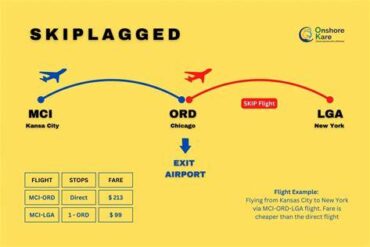
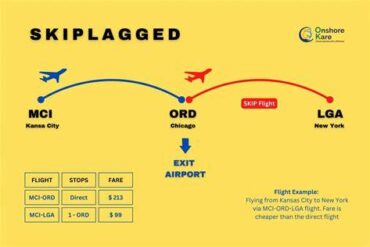
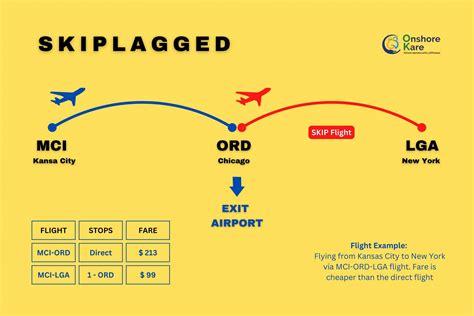
Throwaway ticketing is often confused with another controversial practice called skiplagging, where a passenger intentionally skips a connection or uses a stopover to reach a destination that was not the final destination on the original booking. For example, a passenger traveling from New York to Los Angeles might book a ticket with a layover in Chicago, and then exit the plane in Chicago, without continuing on to Los Angeles.
Both practices—throwaway ticketing and skiplagging—are technically against the airline’s rules. However, there are key differences. While throwaway ticketing refers to purchasing a round-trip ticket and skipping the return leg, skiplagging typically involves flying with the intent of getting off the plane at a layover rather than the final destination.
Despite the ethical concerns surrounding both practices, they have become more common as travelers seek ways to reduce travel costs in the face of rising airfare prices. However, engaging in either practice can lead to complications, including the voiding of frequent flyer miles or future booking restrictions.
What Happens if You Skip the Return Flight?
If you book a round-trip ticket and intentionally skip the return flight, there are a few potential consequences. In the short-term, the airline may not immediately penalize you, particularly if it’s a one-time occurrence. However, there are still risks:
- Loss of Frequent Flyer Miles: If you frequently engage in throwaway ticketing, the airline might revoke any miles or status you have accumulated.
- Refared Tickets: In some cases, airlines may require you to pay the difference in fares between the round-trip price and a one-way ticket.
- Invalidated Return Leg: If you do not show up for the return flight, the airline may cancel the entire ticket, including the outbound segment, making it void.
- Loss of Status: Frequent offenders might find their frequent flyer status or benefits, such as access to lounges or priority boarding, revoked.
Are There Exceptions? When Can You Skip a Return Leg Without Consequences?
In certain cases, passengers may be able to cancel the return leg of a round-trip ticket without facing severe consequences. For instance, if you purchase a flexible ticket or a non-restricted fare, you may have the option to cancel the return flight and receive a flight credit. This is not the same as simply skipping the flight without notice.
Additionally, some travelers may be able to adjust their return ticket if the airline experiences a schedule change or flight delay, potentially allowing them to receive a refund or rebook the return flight without penalty.
However, it’s important to keep in mind that this approach requires the traveler to cancel the return leg before the flight takes place. Simply not showing up for the return flight is far riskier and could lead to the cancellation of the entire ticket and the loss of any future travel credits.
Airlines’ Response to Throwaway Ticketing: What You Should Know
Airlines are aware of the practice of throwaway ticketing and, while they may not actively monitor individual travelers, they do use complex pricing algorithms to detect unusual patterns. Some travelers have reported that airlines will monitor frequent occurrences of throwaway ticketing, especially if it leads to skipped connections or canceled return legs.
The airline’s system can flag these itineraries as problematic, and this can lead to an investigation into the passenger’s booking behavior. In extreme cases, the airline may terminate the frequent flyer account or refuse to honor future tickets.
Conclusion: Is Throwaway Ticketing Worth the Risk?
While the allure of cheaper flights may tempt some travelers to engage in throwaway ticketing, the potential consequences of violating an airline’s contract of carriage are significant. Travelers must weigh the cost savings against the potential loss of miles, status, and future booking privileges.
Before considering this practice, it is important to fully understand the risks involved and to choose the right ticket type. For travelers who need flexibility, booking separate one-way tickets or opting for a flexible fare might offer a safer alternative. Ultimately, airlines are businesses that operate based on their terms and conditions, and it is crucial for travelers to adhere to those rules to maintain a positive relationship with the airline.
For those who still wish to save money, it is worth exploring other options, such as using flight credits, rewards programs, or booking during off-peak times when prices are lower.