Skiplagging, also known as hidden city ticketing, is a clever — albeit controversial — strategy travelers use to exploit the way airlines price their fares. In a landscape where airfare algorithms are increasingly opaque, skiplagging has emerged as both a consumer tactic and a corporate headache. Airlines call it deceptive. Passengers call it savvy. But what exactly is it, why has it gained traction in recent years, and why are major airlines so determined to crush it?
What Is Skiplagging and How Does It Work?
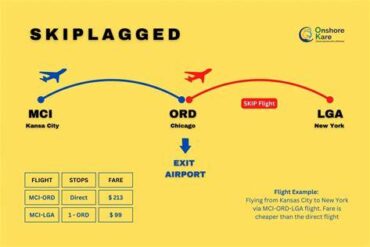
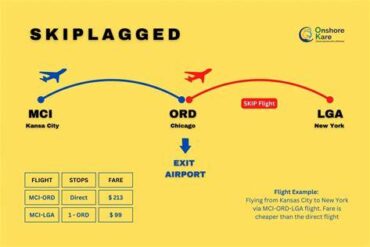
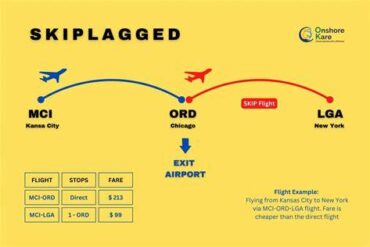
Skiplagging involves purchasing a flight with a layover in your actual destination, then exiting the airport at that stop instead of continuing to the final ticketed city. For example, if a direct flight from New York to Charlotte is expensive, but a cheaper route goes from New York to Denver with a layover in Charlotte, a traveler might book the latter and simply disembark in Charlotte.
This fare loophole exists because of how airlines structure prices. Connecting flights are often cheaper than direct ones, especially when competing on popular long-haul routes. Airlines use complex pricing models based on demand, competition, and even historical booking trends — and sometimes that means flying farther costs less. Travelers exploiting this quirk are, in effect, taking advantage of the airline’s own logic.
The Rise of Skiplagged.com and the Tech Behind the Tactic
The practice of skiplagging isn’t new. Travel agents have known about hidden city fares for decades. But the tactic exploded into mainstream consciousness with the rise of the website Skiplagged.com, launched in 2013 by a then-teenaged computer whiz. The platform uses flight data to help travelers identify hidden city opportunities with ease. Users enter their intended destination, and the site scours for routes where that city is a stopover, not the endpoint.
Skiplagged rapidly grew in popularity as airfare prices spiked in 2021 and 2022. For many, especially younger, budget-conscious travelers, the potential to save hundreds of dollars was too tempting to ignore. Skiplagged became more than just a tool — it became a symbol of digital-age resistance against airline pricing opacity.
Airlines Strike Back: Legal Battles and Backlash
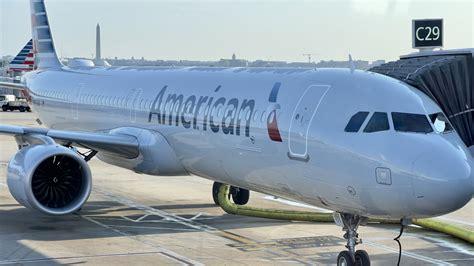
Airlines have responded aggressively. In August 2023, American Airlines filed a federal lawsuit against Skiplagged, claiming that the platform’s ticketing practices were both “deceptive and abusive.” According to the airline, Skiplagged issues tickets it has no legal authority to sell, putting travelers at risk of invalid reservations. The airline further alleged that Skiplagged misleads consumers into believing their tickets are fully valid, when in fact they can be canceled at any time.
Skiplagged has weathered similar attacks in the past — United Airlines and Orbitz previously sued the company, but it emerged relatively unscathed. It proudly flaunts this legal resilience on its homepage with a boastful tagline: “Our flights are so cheap, United sued us… but we won.”
Still, the airlines are not backing down. American’s legal complaint seeks a full shutdown of Skiplagged’s operations related to its flights. The war is not just about lost revenue; it’s about maintaining control.
Why Airlines Despise the Skiplag Hack
Despite being entirely legal, skiplagging violates most airlines’ contract of carriage — the terms you implicitly agree to when booking a flight. These contracts often contain clauses prohibiting hidden city ticketing. While not criminal, breaking this agreement gives airlines the power to retaliate.
The financial impact is real. Airlines price connecting flights cheaper to attract longer-haul travelers. When a customer exits mid-route, that final seat goes empty, representing a lost opportunity to sell it at full fare.
Professor Tim Huh from the University of British Columbia explains: “Airlines sell that seat assuming a 95% chance you’ll show up. When you don’t, that’s a significant loss.” Moreover, empty seats disrupt flight logistics. Gate agents spend time making last-minute calls for missing passengers, sometimes delaying departures.
There’s also the matter of systemic disruption. Skiplagging skews data airlines rely on to optimize routes and schedules. Consistent no-shows may falsely signal weak demand, affecting route planning and aircraft assignments.
What Are the Risks for Passengers Who Skiplag?
Skiplagging might save money, but it comes with serious risks. Airlines monitor booking patterns, and repeat offenders often end up flagged. This can lead to ticket cancellations, frequent flyer account terminations, or outright bans.
In a high-profile case, a teenager from North Carolina was reportedly banned by American Airlines for three years after skipping the second leg of his flight from Florida to New York via Charlotte. The airline didn’t just cancel his current trip — it barred him from future travel.
Other risks include:
- Cancelled return flights: If you don’t complete one leg of your round-trip journey, airlines will usually void the rest of your ticket.
- Lost checked luggage: Since baggage is routed to your final destination, it will not be accessible if you leave the journey mid-way.
- Billing consequences: Some carriers may demand repayment for the price difference, potentially pursuing legal action for fare evasion.
As Henry Harteveldt, travel industry analyst at Atmosphere Research Group, notes: “Airlines can and will take steps to protect themselves. Repeat offenders could end up paying the full fare retroactively or be subject to legal action.”
Is Skiplagging Ethical — or Just Smart Travel Hacking?
At its core, skiplagging is a direct response to the price discrimination model airlines use to maximize profits. In this system, passengers on the same plane may pay wildly different amounts for similar seats. This opaque pricing structure fuels consumer frustration — and makes hacks like skiplagging feel like a form of economic justice.
Supporters argue that passengers should be free to use their tickets however they wish. After all, if a traveler wants to leave the airport during a layover, why shouldn’t they? The airline was paid for the seat, the traveler followed TSA protocol, and no laws were broken.
But critics highlight the ripple effects. Empty seats affect availability and pricing for others. In a tightly calibrated industry, even minor inconsistencies in booking behavior can distort forecasts, reduce service efficiency, and hurt overall customer experience.
Why the Skiplagging Debate Isn’t Going Away
Despite lawsuits, bans, and public warnings, skiplagging is not likely to disappear. The digital age has made fare transparency — or the lack thereof — more apparent to consumers. Websites like Skiplagged are capitalizing on the growing sentiment that travel costs are rigged in favor of airlines.
Unless airlines overhaul their pricing algorithms, travelers will continue to look for loopholes. That said, skiplagging is not for the faint-hearted. The risk-reward calculation must be carefully considered.
Travelers should:
- Use skiplagging sparingly to avoid detection.
- Avoid checking bags, as they will be routed to the final destination.
- Only attempt it on one-way flights — round-trips are almost always canceled after a missed leg.
- Consider the ethical implications and understand potential industry-wide effects.
Final Thoughts: The War Between Travelers and Airlines Continues
The clash over skiplagging underscores a broader conflict in air travel — the tension between consumer empowerment and corporate control. Airlines insist they must protect profitability and operational integrity. Passengers argue they’re simply navigating a system designed to confuse and exploit.
What’s clear is that skiplagging, once a whispered trick among travel insiders, is now a mainstream phenomenon. It may not be sustainable in the long term, especially as airlines refine their monitoring systems. But for now, it remains one of the most effective — and controversial — ways to beat the system.
As lawsuits continue and headlines swirl, the battle lines are drawn. And somewhere between New York and Denver, a traveler quietly exits the terminal in Charlotte, saving money — and sparking debate.