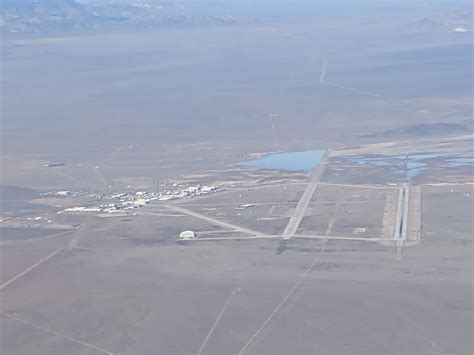
Area 51, officially known as Groom Lake, is one of the most heavily restricted airspaces in the world. The base is located in a remote part of Nevada, but the restricted airspace extends far beyond its physical borders. Many assume that the restricted airspace only covers the base itself, but this assumption is far from the truth.
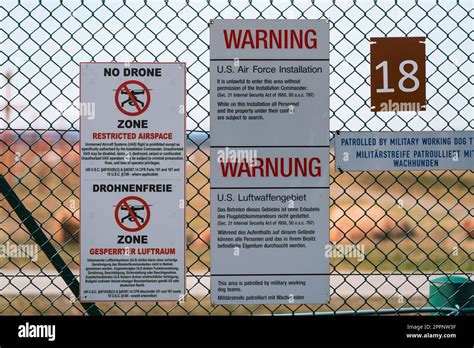
In reality, the restricted airspace around Area 51 extends up to three miles outside the base’s perimeter. The airspace covers not just the land surrounding the base but also stretches down Groom Lake Road, which serves as one of the primary access points to the area. This restricted airspace is governed by strict regulations to prevent unauthorized aircraft, including drones, from entering the airspace. Military aircraft and government officials regularly patrol this region, and any unauthorized flight is met with swift and potentially severe consequences.
The Legal and Technological Barriers for Drone Flights
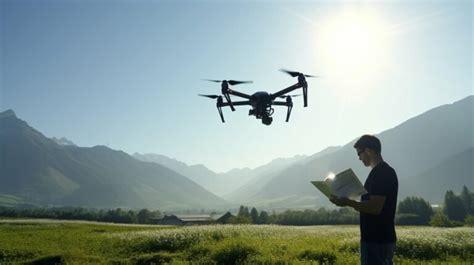
While it is technically possible to fly a drone outside the perimeter of Area 51, several legal and technological barriers make such an act extremely difficult, if not impossible. Let’s break down the key factors that influence drone flights in this region.
The 400-Foot Altitude Limit
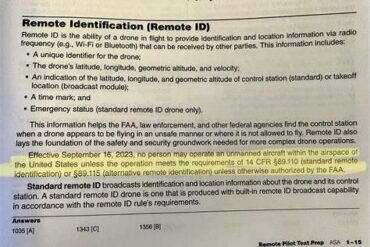
One of the first and most important legal restrictions is the 400-foot maximum altitude rule for drones. This rule is enforced by the Federal Aviation Administration (FAA) and is designed to protect both manned and unmanned aircraft from colliding with each other. However, even though drones are restricted to flying below this altitude, it does not guarantee that a drone can safely hover over the Area 51 perimeter without interference.
The restricted airspace around the base extends well beyond the physical land border, meaning that even if a drone is flying at the 400-foot limit, it could still be violating airspace regulations. In fact, the airspace restrictions are far more expansive than many drone enthusiasts realize. Some reports suggest that the airspace boundary extends several miles beyond the physical base itself, rendering even high-altitude drone flights outside the perimeter vulnerable to detection.
Geofencing and Airspace Control
The concept of geofencing is another technological barrier that restricts drone flights around sensitive locations such as Area 51. Many drone manufacturers, including DJI, have implemented geofencing technology that prevents drones from flying into certain restricted zones. Geofencing works by using GPS data to create an invisible barrier around sensitive locations, preventing drones from entering these areas.
While it was once assumed that this geofencing technology would prevent drones from flying near Area 51, it was revealed that DJI removed this restriction at some point. However, this does not mean that drones are free to roam unrestricted. Commercial drones are still subject to FAA regulations, and local airspace restrictions continue to apply.
Despite the removal of DJI’s geofencing, the government’s no-fly zones and the Air Defense Identification Zones (ADIZ) around Area 51 still pose a significant challenge for anyone attempting to fly a drone near the base. As a result, even with modified drone systems, it remains incredibly difficult and dangerous to fly a drone over the restricted airspace.
Consequences of Violating Airspace Laws
Flying a drone near or over Area 51 is not only illegal but can also lead to severe consequences. The U.S. government takes security breaches very seriously, particularly when it comes to sensitive military installations such as Area 51.
Threat of Military Response
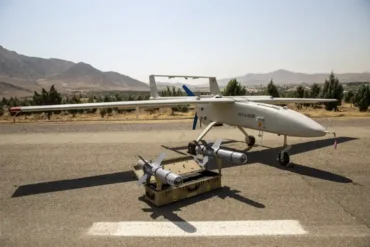
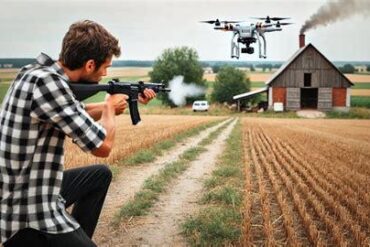
The U.S. military has a well-established history of responding aggressively to any perceived threats near Area 51. In the past, unauthorized drone flights have been met with military jets scrambling to intercept and deter the intruder. Any attempts to fly a drone within the restricted airspace are likely to attract the attention of armed military personnel who are authorized to use deadly force if necessary.
This means that even if a drone is operating outside the immediate borders of Area 51, it could still be within the military’s response zone. In some cases, drones have been tracked and shot down by military forces to prevent the capture of sensitive information. The consequences of being caught violating these airspace restrictions could include fines, legal action, or worse.
Drone Seizure and Personal Safety Risks
In addition to the potential legal consequences, there are also significant personal risks involved in attempting to fly a drone near Area 51. In the past, there have been reports of individuals being detained by law enforcement for flying drones too close to the base. Authorities have a zero-tolerance policy for these kinds of intrusions, and fines can be extremely steep for those who are caught violating the rules.
Moreover, the area surrounding Area 51 is not just dangerous because of the military presence, but also because of its remote desert location. Attempting to fly a drone in such a harsh and unwelcoming environment could lead to technical issues or mechanical failure, leaving the drone operator stranded in a highly dangerous area without proper support or rescue resources.
The Real Value of Satellite Imagery vs. Drone Footage
Some individuals may attempt to fly drones near Area 51 with the hope of capturing high-resolution footage or discovering secretive military activity. However, it’s important to remember that satellite imagery provides a much clearer and more accessible view of the area than any drone could ever offer.
Advanced Satellite Imaging Technologies
Today’s satellite imaging technologies are so advanced that they can capture detailed, high-resolution images of the most secretive military facilities on Earth, including Area 51. The idea that a drone could somehow uncover new, hidden secrets at Area 51 is far-fetched, as the government has already heavily scrutinized the region using satellite data. Commercially available satellite imagery can provide clear and consistent images of the base, making the idea of using drones to capture similar footage seem redundant.
Conclusion: The Impossibility of Successfully Flying a Drone Over Area 51
In conclusion, while it may be tempting to think about flying a drone outside the perimeter of Area 51 to capture a bird’s-eye view of the secretive base, the numerous legal, technological, and security obstacles make this an unrealistic and highly dangerous endeavor. The airspace restrictions are extensive, and violations of these laws are met with severe penalties.
Even with the best intentions and the most advanced drones, the risks involved in flying near Area 51 far outweigh any potential benefits. Those looking to catch a glimpse of the base or document its mysteries should instead rely on publicly available satellite imagery, which offers a far safer and more practical alternative.
Key Takeaways
- The restricted airspace surrounding Area 51 extends far beyond its physical borders, covering several miles.
- Drones must abide by the FAA’s 400-foot altitude limit, but flying in the restricted airspace is still illegal.
- Geofencing and airspace control measures further complicate attempts to fly drones in the area.
- Violating airspace laws near Area 51 can lead to severe consequences, including military intervention.
- Satellite imagery provides a far clearer and more accessible means of viewing Area 51 compared to drone flights.