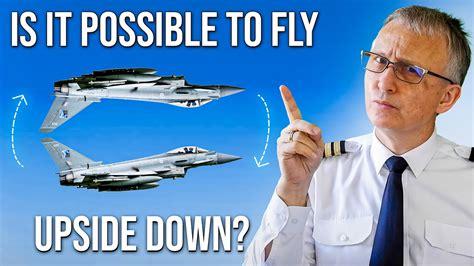
Flying upside down is a dramatic maneuver that challenges our understanding of how airplanes stay aloft. Popularized by airshows and fighter jet acrobatics, inverted flight raises a fundamental question: can planes really fly upside down, and if so, how do they do it? To answer this, we must examine the principles of aerodynamics, aircraft design, and the specific differences between aerobatic aircraft, fighter jets, and commercial airliners.
Understanding Aerodynamics: The Foundation of Flight
The science of aerodynamics governs how air interacts with solid objects in motion—especially airplanes. It revolves around four main forces: lift, thrust, drag, and weight. For level flight, lift must equal weight, and thrust must overcome drag. These forces balance differently when the aircraft orientation is altered, especially in inverted flight.
Lift is typically generated by the airfoil shape of an aircraft’s wing. This curved upper surface and flatter lower surface create a pressure differential: lower pressure above and higher pressure below, thus pushing the plane upward. However, when a plane flies upside down, the wing’s orientation changes completely.
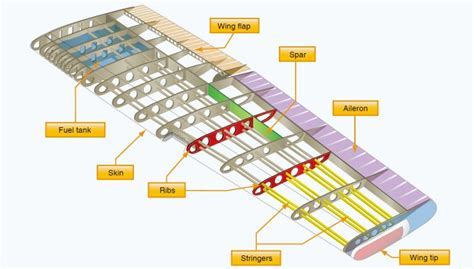
Why Flying Upside Down Challenges Traditional Aircraft
In standard aircraft, the wing’s design works efficiently only in upright flight. When flipped upside down, the airfoil produces negative lift—essentially pushing the aircraft downward instead of upward. This is a serious problem for most conventional planes, especially commercial aircraft, which are optimized for stability, not acrobatics.
In inverted flight, unless the aircraft is equipped to counteract this shift in aerodynamic behavior, it risks losing altitude quickly. This is why symmetric wing design and powerful control systems are critical in planes that perform such maneuvers.
How Aerobatic Aircraft Fly Upside Down
Aerobatic aircraft, often seen in airshows and competitions, are specifically designed to handle inverted flight. Their wings are built with symmetrical airfoils, meaning the top and bottom surfaces are identical in curvature. This allows them to generate lift equally whether the plane is right-side up or upside down.
These aircraft also come with lightweight frames, reinforced structures, and specialized fuel and oil systems that continue functioning in all orientations. The result is a platform capable of performing rolls, loops, and sustained inverted flight with incredible precision.
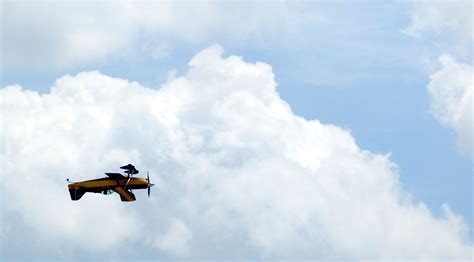
Equally important is the pilot’s training. Inverted flight demands intense focus and skill. Pilots must control the aircraft’s pitch, yaw, and roll with exacting accuracy to maintain stable flight. A slight error can cause rapid altitude loss or uncontrolled descent.
Fighter Jets: Masters of Inverted Maneuverability
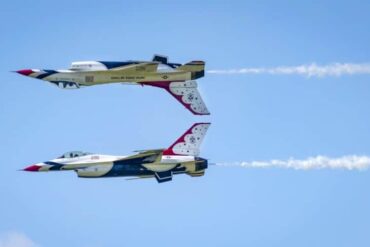
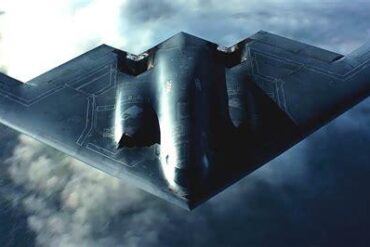
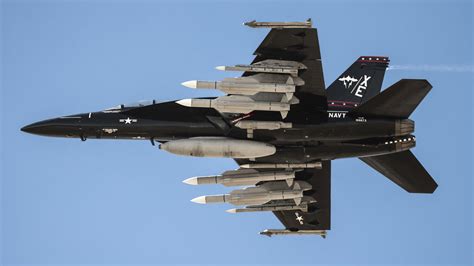
Unlike commercial aircraft, fighter jets are engineered for extreme agility. Their designs allow for advanced combat maneuvers, including rapid changes in orientation, high-G turns, and sustained inverted flight. Their wings may not always be symmetrical like aerobatic aircraft, but their thrust-to-weight ratio, aerodynamic design, and high-performance flight control systems make up for it.
Most importantly, fighter jets have engines capable of producing thrust far beyond what is needed to maintain level flight. This allows pilots to angle the aircraft during inverted flight while still maintaining enough lift through angle of attack and velocity.
To support the human body during such maneuvers, fighter pilots wear anti-G suits, which compress the legs and abdomen to prevent blood from pooling away from the brain—a phenomenon that can lead to blackout during intense inverted or high-G flights.
However, even in fighter jets, sustained inverted flight is not common. It’s usually reserved for combat tactics, evasive maneuvers, or air show stunts. Prolonged inverted flight can strain both the pilot and the aircraft’s systems, particularly its fuel and hydraulic configurations.
Why Commercial Airplanes Can’t Fly Upside Down
The massive, wing-loaded structures of commercial airliners such as the Boeing 747 or Airbus A330 are built exclusively for stable, efficient, upright flight. Their wings are cambered, optimized to generate lift when flying right side up. If these aircraft were to invert, they would lose most of their lift and become dangerously unstable.
Moreover, the fuel systems, cabin structures, passenger loads, and control surfaces are not rated for inverted pressures. Attempting an upside-down maneuver would likely cause structural failure or uncontrollable descent. There are no operational conditions in which this would ever be attempted intentionally.
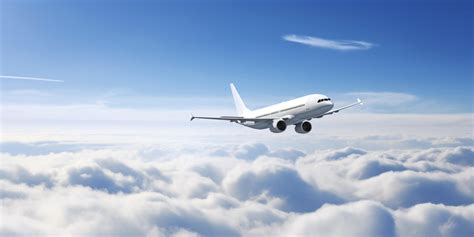
Incidents That Brushed the Edge of Inverted Flight
While commercial aircraft are not meant to invert, there have been rare and unintentional cases of extreme pitch and roll that pushed airliners to the brink:
- China Airlines Flight 006 (1985): A Boeing 747SP entered a steep dive and rolled upside down due to an engine malfunction and pilot disorientation. Though the aircraft was severely damaged, the crew eventually regained control.
- Air France Flight 447 (2009): An Airbus A330 stalled at high altitude due to erroneous airspeed data. While the aircraft didn’t fully invert, it descended in an abnormal attitude, demonstrating how quickly flight control can deteriorate without proper aerodynamic response.
- Boeing 707 Test Flight (1955): During testing, the aircraft experienced extreme stress in a high-speed dive that mimicked some inverted conditions. The result was structural failure, highlighting the limits of large jet airframes.
The Role of Fuel and Oil Systems in Inverted Flight
Even in aircraft designed for acrobatics, inverted flight stresses fuel and oil delivery systems. Gravity works against conventional plumbing, and unless the aircraft is equipped with inverted flight fuel tanks and dry sump oil systems, engines may starve and fail.
This is why only specially-designed aircraft can remain inverted for long periods. Without such systems, an engine failure during an upside-down maneuver could be catastrophic.
Physiological Effects on Pilots
Flying upside down introduces significant physiological challenges. Inverted orientation causes blood to rush to the head, increasing the risk of redout (vision reddening) or even stroke in extreme cases. To counter this, G-suits and specialized breathing techniques are employed, especially in military aviation.
Civilian aerobatic pilots often train extensively in centrifuge simulators and under real-world conditions to build tolerance. Still, prolonged inverted flight is fatiguing and rarely sustained beyond short bursts in performance routines.
Can Any Plane Fly Upside Down?
In summary, not all planes can fly upside down, and those that can are specifically designed with that capability in mind. Let us be clear:
- Commercial airliners cannot and should not attempt inverted flight.
- Fighter jets can fly upside down, but typically only in tactical or display contexts.
- Aerobatic aircraft can not only fly but also maintain extended inverted flight with complete control.
The idea of a 747 doing barrel rolls may look exciting in Hollywood, but in reality, it is both physically and structurally implausible.
Conclusion: The Physics Behind the Spectacle
The ability to fly upside down is not about brute strength or speed—it is about precision engineering, aerodynamic understanding, and pilot skill. It takes a carefully balanced design—symmetrical wings, specialized control surfaces, and gravity-independent fuel systems—to sustain inverted flight.
While commercial aviation adheres strictly to safety and stability, the world of aerobatics and military aviation continues to push the boundaries of what’s possible in the air. Inverted flight remains one of aviation’s most awe-inspiring demonstrations of control and design mastery, reminding us just how far we’ve come in conquering the skies.