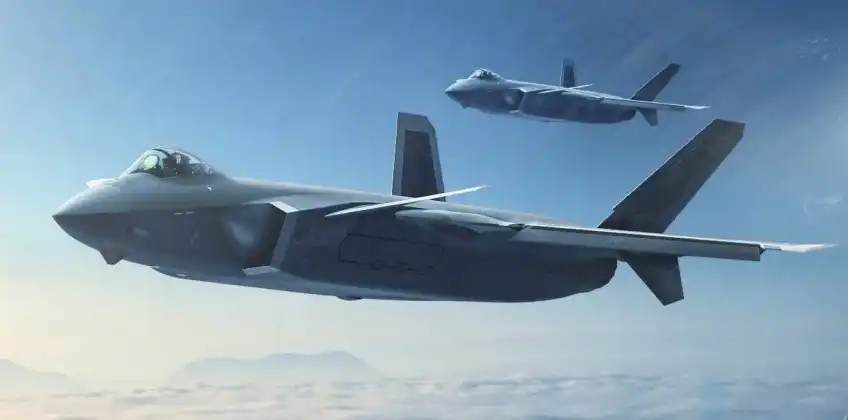
When discussing fighter jet performance, specifications such as speed, range, and weapons capability often receive the most attention. However, another important measurement reveals a great deal about an aircraft’s design and battlefield role: the service ceiling. This term describes the maximum altitude at which a fighter jet can continue climbing at a specific minimum rate while maintaining stable flight performance.
In simple terms, a fighter jet’s service ceiling represents the highest altitude where the aircraft can still operate effectively under normal conditions. A jet may technically climb higher, but beyond its service ceiling, its ability to gain altitude, maneuver, and respond to combat demands becomes severely limited.
The service ceiling is different from the absolute ceiling, which is the theoretical maximum altitude an aircraft can reach. At the absolute ceiling, a fighter may only maintain level flight and has almost no climbing ability left. The difference between the two numbers is usually relatively small because modern aircraft are designed to operate efficiently within their practical limits.
Why High Service Ceilings Give Fighter Jets an Advantage
A high service ceiling provides several strategic benefits for military aircraft. Flying at greater altitudes can help a fighter avoid some ground-based threats, improve radar visibility, and reduce aerodynamic drag. At higher altitudes, the thinner atmosphere allows aircraft to travel more efficiently at high speeds, while missiles launched from altitude can gain additional energy and range.
However, reaching extreme altitudes introduces significant challenges. Aircraft engines receive less oxygen as they climb, reducing thrust output. Pilots must also deal with reduced air density, limited oxygen availability, and increased risks associated with high-altitude maneuvering.
Modern fighter jets typically operate within a service ceiling range of approximately 50,000 to 65,000 feet. This range represents a balance between altitude performance, engine capability, aircraft structure, and mission requirements.
Fighter Jets With Exceptional Service Ceiling Performance
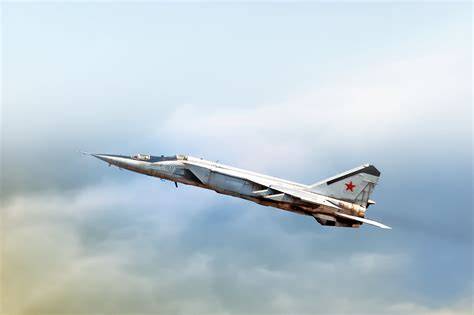
Some aircraft stand out because their service ceilings greatly exceed typical fighter jet standards. One of the most famous examples is the Soviet-built Mikoyan-Gurevich MiG-25 Foxbat. Designed during the Cold War as a high-speed interceptor, the MiG-25 achieved a remarkable service ceiling of more than 75,000 feet.
The MiG-25’s extraordinary altitude capability allowed it to challenge aircraft operating at extreme heights, including reconnaissance platforms such as the SR-71 Blackbird. While the MiG-25 was not designed for the same mission profile as the SR-71, its ability to operate near the edge of the atmosphere demonstrated the advantages of combining powerful engines with specialized aerodynamic design.
By comparison, many modern fifth-generation fighters have lower service ceilings because their designs prioritize stealth, sensors, networking, and multirole capability rather than simply reaching extreme altitude.
Why Some Modern Fighters Have Lower Service Ceilings
The F-35 Lightning II, for example, has a service ceiling of around 50,000 feet. Although this figure is lower than older high-altitude interceptors, it reflects different design priorities. The F-35 focuses on stealth technology, advanced sensors, electronic warfare, and information sharing rather than pure altitude performance.
A fighter jet’s service ceiling depends on many factors, including engine power, aircraft weight, aerodynamic design, fuel load, and intended mission. A lightweight interceptor built to chase enemy aircraft may prioritize altitude, while a stealth multirole fighter may sacrifice some altitude capability to improve survivability and combat effectiveness.
The Future of Fighter Jet Altitude Performance
Future aircraft may once again push service ceiling limits as aerospace technology advances. The proposed sixth-generation fighter aircraft concepts are expected to feature improved engines, advanced materials, and enhanced aerodynamic efficiency, potentially allowing them to operate at higher altitudes.
Reports surrounding aircraft such as the future F-47 fighter suggest that next-generation platforms could achieve service ceilings approaching 70,000 feet, although official performance details remain limited.
Ultimately, a fighter jet’s service ceiling is more than just a number on a specification sheet. It reflects the balance between engineering, mission requirements, and battlefield strategy. While extreme altitude can provide advantages, modern air combat increasingly depends on stealth, sensors, weapons integration, and networked operations. The highest-flying fighter is not always the most effective one, but its service ceiling reveals the technological ambitions behind its design.