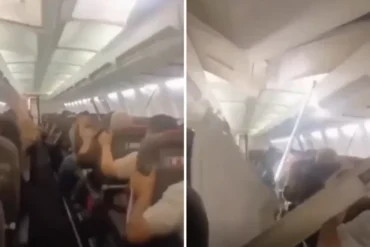
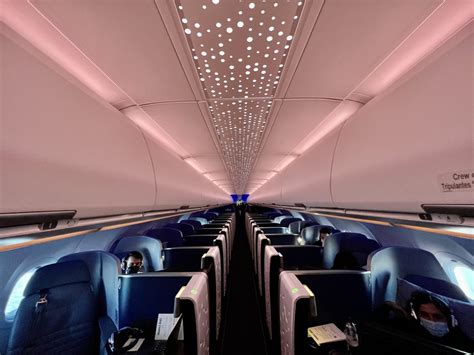
JetBlue has issued an apology after a passenger traveling in the airline’s premium Mint cabin reportedly captured video of a rat moving through illuminated ceiling panels during a flight, sparking widespread concern about aircraft hygiene, passenger safety, and the aviation industry’s ongoing battle against pests.
The incident gained attention after an Instagram user identified as brittneynicole291 shared footage that appeared to show a rodent navigating the space above the overhead bins. The video quickly circulated online, drawing thousands of reactions from travelers, aviation enthusiasts, and industry observers. While many viewers expressed shock at the apparent presence of a rat inside a commercial aircraft, others questioned whether the situation had been immediately reported to the cabin crew while the flight was still in progress.
The footage highlights a problem that airlines around the world work aggressively to prevent. Although sightings of rodents onboard passenger aircraft remain relatively rare, even a single confirmed case can trigger extensive inspections, maintenance procedures, and operational disruptions. For airlines, the issue extends well beyond passenger discomfort. Rodents pose a legitimate threat to aircraft systems due to their tendency to chew wiring, insulation, and other critical components.
JetBlue responded publicly to the social media post through Instagram’s comment section, acknowledging the report and requesting additional details from the passenger. The airline wrote: “We’re sorry to see this. Please message us your confirmation code, name on the reservation, and date of birth.” The response suggests the carrier is attempting to identify the specific aircraft and flight involved so maintenance teams can conduct any necessary investigations.
Why A Rat On An Aircraft Is More Than A Cleanliness Problem
The discovery of a rodent onboard an aircraft immediately raises concerns about sanitation, but the operational implications can be even more significant. Rats are capable of squeezing through remarkably small openings and can travel unnoticed through hidden compartments, ceiling spaces, cargo areas, and service panels.
Unlike many other pests, rodents possess continuously growing teeth that compel them to gnaw on hard materials. Aircraft wiring insulation, composite materials, and plastic components can become targets. Damage to electrical systems may affect backup equipment, sensors, communications infrastructure, or other critical systems. Even minor chewing activity can create maintenance challenges that require extensive inspections before an aircraft can safely return to service.
In addition to physical damage, rodent urine and droppings create contamination risks. Over time, these substances can contribute to corrosion, particularly when moisture becomes trapped in confined spaces. For airlines operating fleets worth hundreds of millions of dollars, even a small pest intrusion can lead to substantial maintenance costs.
How Rodents Gain Access To Commercial Aircraft
Modern airports and airlines invest heavily in pest prevention programs, yet rodents continue to exploit opportunities whenever aircraft remain parked on the ground. Industry experts identify boarding bridges, catering equipment, food service vehicles, and airport infrastructure as some of the most common access points.
Aircraft frequently spend hours parked between flights, creating opportunities for pests to move from terminal facilities toward the aircraft itself. Jet bridges, in particular, represent a potential pathway if barriers are compromised or inspections fail to detect activity.
Many airports employ specialized prevention measures designed to stop rodents before they ever reach the cabin. These can include airflow barriers, physical seals, regular inspections, pest-monitoring systems, and scheduled extermination programs. In regions with heightened concerns regarding invasive species, authorities may require additional disinfection or pest-control procedures before aircraft are cleared for departure.
The challenge becomes even more complex at major international hubs where thousands of passengers, tons of cargo, and large volumes of catering supplies move through airport facilities every day. Maintaining a pest-free environment requires constant vigilance across multiple departments and service providers.
What Cabin Crew Typically Do When A Rodent Is Reported
When passengers observe a rodent during flight, aviation professionals recommend notifying flight attendants immediately rather than attempting to confront the animal themselves. Using the call button allows crew members to gather precise information regarding the rodent’s location and movement.
Flight attendants generally relay the report to the flight deck so pilots can notify maintenance personnel before arrival. This advance warning enables ground crews to prepare inspections and coordinate pest-control procedures once the aircraft lands.
In most situations, cabin crew avoid chasing or attempting to trap the rodent during flight. Such efforts could unintentionally drive the animal deeper into hidden compartments or create unnecessary disruption within the cabin. If available seating exists elsewhere on the aircraft, affected passengers may be relocated away from the area where the animal was observed.
The Extensive Inspection Process After A Rodent Sighting
Once a rodent sighting is reported, the work for maintenance teams often becomes far more demanding than many travelers realize. Aircraft technicians may need to remove interior panels, inspect ceiling compartments, examine cargo areas, and trace electrical wiring routes to determine whether damage has occurred.
Maintenance crews frequently use tracking powders, traps, and visual inspections to identify signs of rodent activity. Because rats can move through narrow spaces inaccessible to passengers, confirming complete removal often requires detailed examination of multiple aircraft sections.
In some cases, aircraft can be temporarily removed from service until technicians verify that no active infestation exists and that critical systems remain unaffected. Airlines consider these inspections essential because even isolated wiring damage can have significant operational consequences if left undiscovered.
Aviation’s Constant Battle Against Vermin
The reported JetBlue incident serves as a reminder that pest control remains a critical yet largely invisible aspect of aviation safety. Airports, airlines, maintenance providers, and ground-handling companies collectively invest substantial resources into preventing rodents and other unwanted animals from reaching aircraft.
While passengers rarely witness these efforts, extensive inspection programs operate behind the scenes every day. The goal is not only to maintain cleanliness and passenger confidence but also to protect highly sophisticated aircraft systems from potentially costly and dangerous damage.
As JetBlue investigates the reported sighting, the incident underscores the importance of rapid reporting, thorough maintenance procedures, and proactive pest-control measures that help keep commercial aviation safe, reliable, and free from unwanted stowaways.