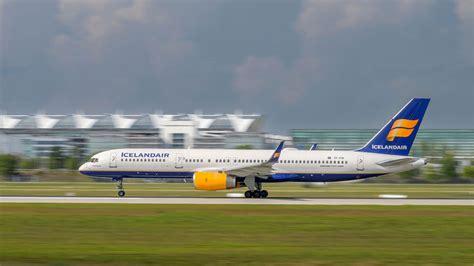
The final flight of a seasoned Icelandair captain has taken a dramatic and controversial turn, after the airline confirmed it reported the pilot to police for conducting an unauthorized low-altitude flyover during a scheduled commercial service. The incident, which occurred on April 11, 2026, has sparked intense scrutiny across the aviation industry, raising questions about pilot discretion, regulatory compliance, and passenger safety.
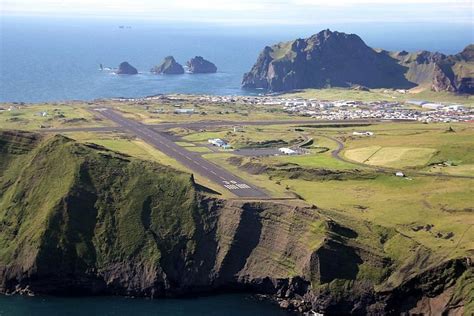
Operating a Boeing 757-200 (registration TF-ISR) from Frankfurt Airport (FRA) to Keflavik International Airport (KEF), the aircraft was carrying passengers when it deviated from its approved flight profile. The veteran pilot, believed to be marking his retirement, allegedly performed the maneuver as a personal tribute to his hometown of Vestmannaeyjar, located in Iceland’s Westman Islands.
Unauthorized Low Flyover Over Vestmannaeyjar Draws Investigation
Flight-tracking data and eyewitness reports indicate that the aircraft descended to approximately 328 feet (100 meters) above ground level during the flyover—an altitude significantly below standard minimums for commercial operations over populated areas. Residents described the aircraft’s passage as unusually loud, with noticeable vibration and proximity that quickly drew attention.
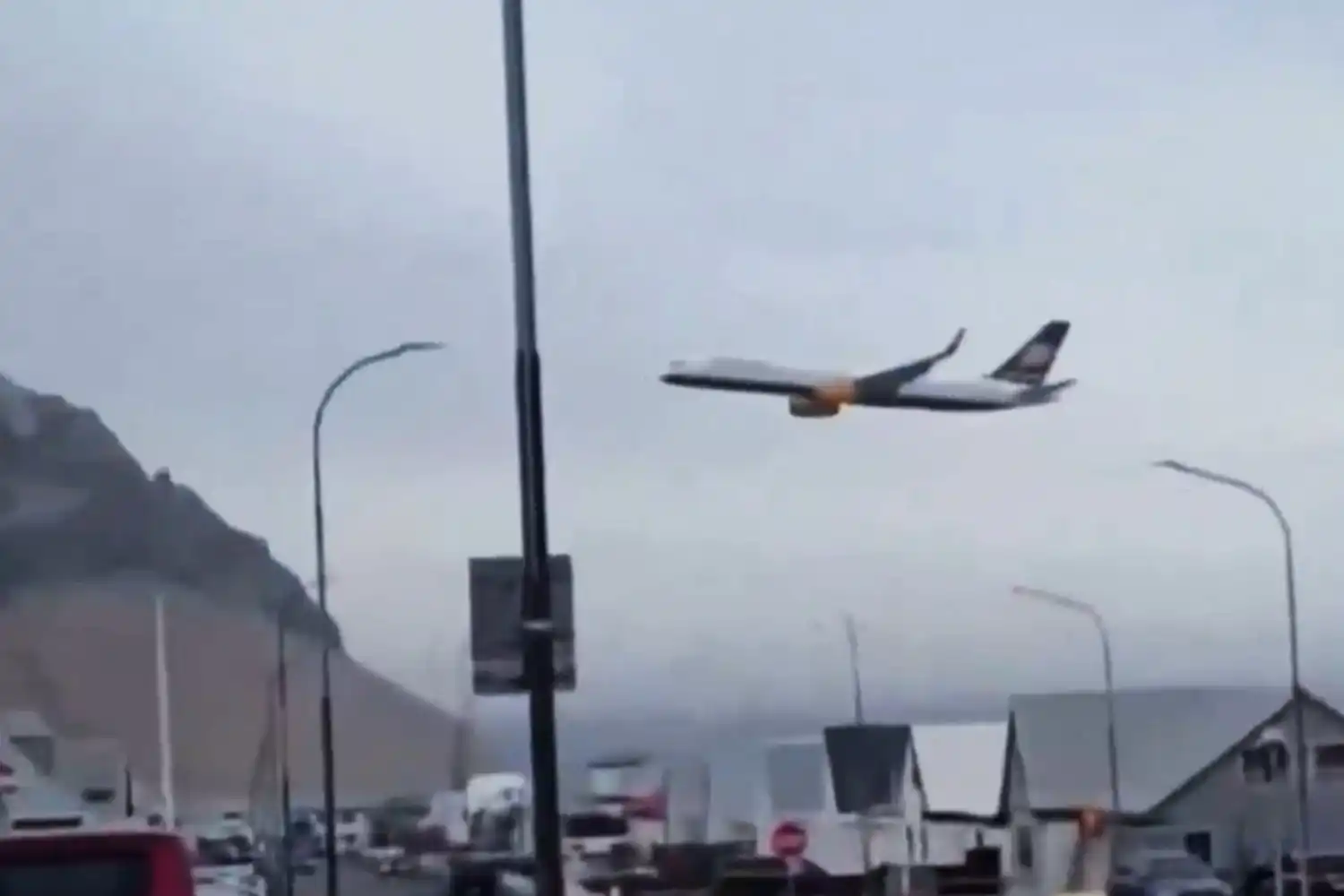
Such a maneuver, while visually striking, was not included in the approved flight plan and reportedly lacked prior authorization from air traffic control. Icelandair responded swiftly, launching an internal investigation and escalating the matter to law enforcement authorities. The airline emphasized that strict operational procedures were not followed, underscoring the seriousness of the breach.
Linda Gunnarsdóttir, Chief Pilot at Icelandair, reinforced this stance in public remarks, stating that commercial aviation relies on rigid adherence to procedures and checklists, leaving little room for unsanctioned actions—even those driven by personal sentiment.
When Sentiment Collides With Aviation Safety Protocols
While farewell gestures by pilots are not entirely unheard of, they are typically pre-approved, carefully coordinated, and executed within clearly defined safety margins. In contrast, this incident highlights the risks associated with unauthorized deviations, particularly when passengers are onboard.
Commercial aviation operates within a tightly controlled framework where altitude restrictions, routing, and pilot actions are governed by international regulations and real-time coordination with air traffic controllers. Even minor deviations can introduce significant safety risks, including reduced reaction time, terrain conflicts, and unexpected wake turbulence.
The situation becomes even more complex in regions like Vestmannaeyjar, where dramatic landscapes and rapidly shifting weather conditions demand heightened caution. A low-altitude maneuver in such an environment amplifies potential hazards, making strict compliance not just procedural—but essential.
Aircraft Capabilities vs. Operational Limits
The Boeing 757-200, a long-standing workhorse in Icelandair’s fleet, is known for its strong performance characteristics, including the ability to execute steep approaches when required. However, these capabilities are always bound by regulated operational parameters.
Even in the hands of an experienced pilot, the aircraft’s performance envelope does not permit unsanctioned low passes during commercial service. Aviation authorities are expected to closely examine flight data recordings and cockpit voice transcripts to determine whether the maneuver constituted a violation of aviation safety regulations.
This distinction—between what an aircraft can do and what it is allowed to do—lies at the heart of the investigation.
Legal and Professional Consequences Under Review
Despite the pilot’s retirement status, the incident carries potential legal ramifications. By referring the case to police, Icelandair has signaled that the matter extends beyond internal disciplinary action and into the realm of regulatory enforcement.
Authorities will assess whether the captain’s actions endangered passengers or people on the ground, a determination that could lead to penalties or further legal consequences. The outcome may also influence how aviation regulators handle similar cases in the future, particularly those involving symbolic or ceremonial gestures.
Notably, the airline has not disclosed whether additional internal measures are being considered, but its public statements suggest a firm commitment to upholding safety standards without exception.
Industry Implications and Renewed Focus on Compliance
The aviation sector has, in recent years, intensified its focus on risk management and procedural discipline, driven by a broader commitment to minimizing human error. Incidents like this serve as powerful reminders that even highly experienced professionals are expected to operate within strictly defined boundaries.
The case may prompt airlines worldwide to revisit policies surrounding retirement flights and pilot discretion, ensuring that personal milestones do not conflict with operational integrity. It also reinforces a core principle of aviation: safety protocols must always take precedence over tradition or sentiment.
For passengers, the event underscores the invisible layers of control that govern every flight—systems designed to ensure that even in moments of personal significance, safety remains absolute and uncompromised.