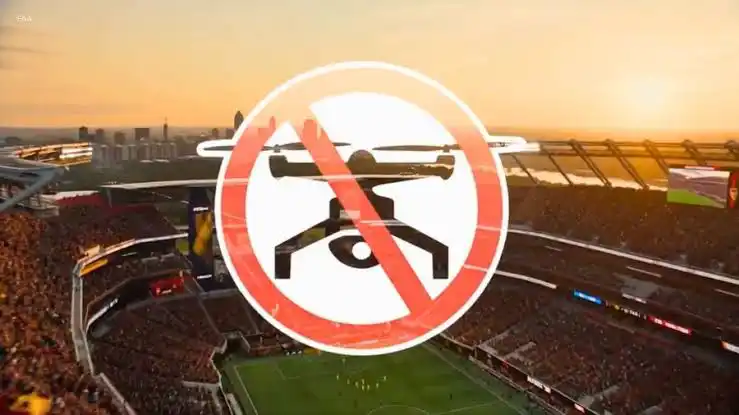
Since the start of the FIFA World Cup, US authorities have confiscated more than 300 drones that were illegally operating near stadiums and tournament-related venues, underscoring the growing challenge posed by unmanned aircraft at major international events. According to the Transportation Security Administration (TSA), the seizures reflect an unprecedented effort involving multiple federal agencies tasked with protecting spectators, athletes, aviation operations, and critical infrastructure throughout the competition.
Federal officials confirmed that enforcement actions have been coordinated among the TSA, Federal Aviation Administration (FAA), Department of Homeland Security (DHS), Federal Bureau of Investigation (FBI), and local law enforcement agencies. Authorities have maintained a strict zero-tolerance policy, warning operators for months that unauthorized drone activity near World Cup sites would result in severe consequences.
The announcement highlights how airspace security has become a central component of modern event protection. While many incidents are believed to involve recreational pilots, officials emphasize that every unauthorized drone must be treated as a potential threat because intentions cannot be determined immediately.
Extensive Flight Restrictions Protect World Cup Venues
The FAA established temporary flight restrictions around every World Cup stadium, creating protected airspace before, during, and after matches. These restrictions prohibit drones and other unauthorized aircraft from entering designated zones surrounding venues hosting games.
The security measures extend beyond stadium boundaries. Official fan festivals, transportation hubs, and other gathering areas associated with the tournament are also subject to enhanced protection. Authorities argue that even a small drone malfunction over densely packed crowds could result in injuries, panic, or disruptions to emergency services.
Federal agencies have repeatedly reminded drone operators that recreational exemptions do not supersede temporary restrictions imposed for national security purposes. Pilots are expected to consult official airspace notices before every flight, regardless of the size or intended use of their aircraft.
The challenge facing security agencies has become more complex due to the rapid growth of consumer drone ownership. Modern systems are affordable, highly capable, and simple to operate, allowing inexperienced users to fly long distances and potentially enter restricted areas without understanding the risks.
Rising Drone Usage Creates New Security Threats
Security experts have increasingly classified unmanned aircraft as one of the most significant emerging risks for large public events. Officials warned before the tournament began that drones could be used to conduct unauthorized surveillance, interfere with communications, disrupt emergency operations, or, in extreme cases, transport dangerous payloads.
Those concerns are based on real-world incidents. Across the globe, drones have interrupted airport operations, delayed flights, and disrupted sporting events. Their low cost and widespread availability have transformed them from recreational devices into security challenges requiring constant monitoring.
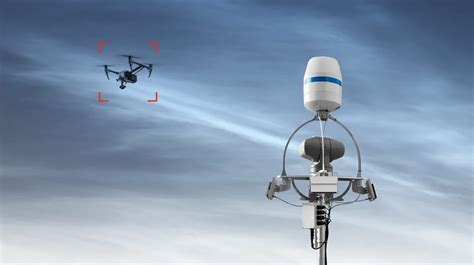
As a result, the World Cup has become a proving ground for sophisticated counter-drone technologies. US agencies have deployed systems capable of detecting unauthorized aircraft, identifying their flight paths, and locating operators on the ground. These capabilities enable authorities to respond rapidly and remove threats before they escalate.
Severe Penalties Await Violators
Federal agencies have made it clear that violating World Cup airspace restrictions can carry significant consequences. Authorities possess both administrative and criminal tools to punish offenders and deter additional incursions.
Operators found violating restrictions may face:
- Civil penalties reaching $75,000 per violation
- Criminal fines of up to $100,000
- Immediate confiscation of drones
- Federal criminal prosecution
- Arrest and detention by law enforcement authorities
The FBI has also been authorized to employ specialized mitigation technologies designed to intercept and seize unauthorized aircraft. Officials stress that every violation triggers an immediate response because even seemingly harmless recreational flights can interfere with security operations and aviation activity.
The aggressive enforcement strategy reflects a broader shift in security philosophy. Protecting the skies above major events is now regarded with the same importance as securing entrances, screening spectators, and maintaining physical barriers around venues.
World Cup Security Offers Lessons for Future Events
The seizure of more than 300 drones during the opening weeks of the tournament provides an early glimpse into the challenges that organizers of future global events are likely to face. Security planners increasingly recognize low-cost aerial threats as an unavoidable reality as drones become more common among consumers and commercial operators.
Despite months of warnings and extensive public outreach campaigns, hundreds of pilots still attempted to fly near restricted locations. Some may have been unaware of the regulations, while others deliberately ignored them. Regardless of the reason, authorities have responded decisively to reinforce the message that unauthorized drone operations will not be tolerated.
The experience gained during the World Cup is expected to influence preparations for future sporting spectacles across North America and beyond. Organizers are likely to invest further in detection technologies, interagency coordination, and public education campaigns designed to prevent violations before they occur.
Airspace Security Becomes a Permanent Priority
The unprecedented number of drone seizures demonstrates that aerial threats are no longer hypothetical concerns. They represent daily operational challenges that demand constant vigilance from security agencies responsible for safeguarding millions of spectators and participants.
As drone technology continues to evolve and ownership expands, protecting major public gatherings will require increasingly sophisticated defenses. The first weeks of the World Cup have already shown that maintaining secure skies is just as essential as securing the stadium itself, and federal agencies appear determined to ensure that unauthorized aircraft never become a danger to one of the world’s largest sporting events.