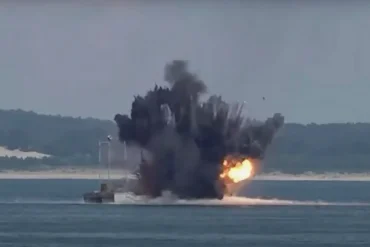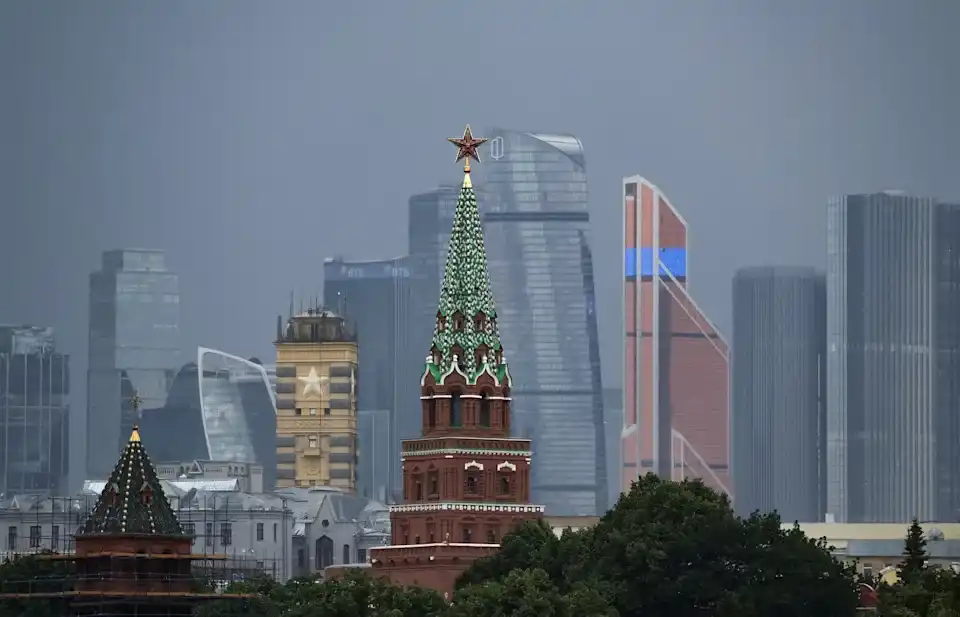
The escalation of aerial warfare between Russia and Ukraine has taken a dramatic turn, as over 140 Ukrainian drones breached Russian airspace in a massive attack that targeted Moscow and several regions within Russia. This marks one of the most significant drone offensives since the onset of the war, signaling a new phase in the conflict. The Russian Defense Ministry confirmed that a total of 143 drones were shot down overnight, with several intercepted as they neared the Russian capital. At least three drones were shot down over the Moscow region itself, marking the city’s first direct exposure to such high-profile attacks.
This surge in drone activity follows a series of similar strikes that have been escalating in recent months, with Ukrainian drones targeting various regions in Russia, including Voronezh, Belgorod, and Smolensk. The sheer scale and precision of these assaults reflect Ukraine’s growing capabilities in remote warfare. For Russia, this poses an ongoing challenge in defending against what was once considered a secondary front in the conflict.
The Extent of the Attack
The drone attack, which occurred between the evening of Wednesday and the afternoon of Thursday, targeted multiple regions across Russia. These included areas as far as Crimea, which has been annexed by Russia since 2014. According to the Russian Ministry of Defense, drones were intercepted across 11 Russian regions, demonstrating the widespread nature of this coordinated offensive. The magnitude of this assault highlights the changing nature of warfare, where traditional battles on the ground are being supplemented by increasingly sophisticated aerial strikes.
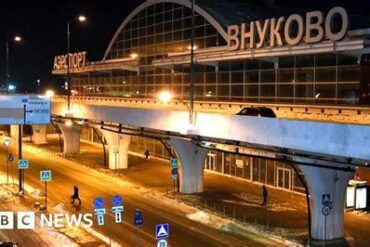
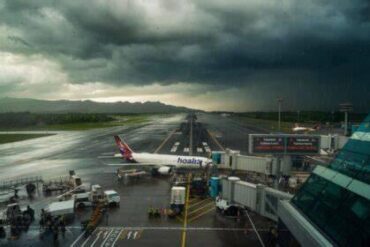
Temporary flight restrictions were imposed at key airports in Moscow and St. Petersburg as a precautionary measure. Airports such as Vnukovo, Kaluga Grabtsevo, and Pulkovo had to halt or limit air traffic to avoid potential collisions with drones. The Federal Aviation Agency of Russia, Rosaviatsiya, quickly responded, issuing updates and monitoring the airspace for further intrusions.
Drone Strikes Across Russia
While the majority of Ukrainian drones were intercepted or downed by Russian defenses, several managed to reach their intended targets, resulting in civilian casualties. In the southwestern region of Voronezh, a drone struck a residential building, injuring at least three people. The Belgorod region, located near the Ukrainian border, was hit especially hard. Here, a deadly drone strike killed three individuals and injured at least 17 others. The attacks left a trail of destruction, with drones causing widespread damage to buildings and infrastructure in these areas.
In the Kaluga region, southwest of Moscow, a drone impact injured a 14-year-old girl who was struck by glass fragments when a drone hit a two-story house. These reports are just a few examples of the collateral damage caused by the surge in drone activity. As Ukrainian drones continue to breach Russian borders, the possibility of further civilian casualties grows, especially as drones become more accurate and capable of targeting strategic civilian infrastructure.
Russia’s Defensive Response
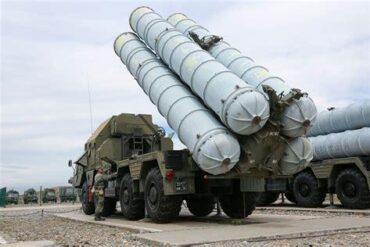
The Russian response has been swift but not without challenges. The Russian Defense Ministry reported that its forces had managed to shoot down at least 143 Ukrainian drones during the assault. However, this number could be much higher given that the airspace was likely swarmed with multiple drones at different points throughout the day. Moscow’s air defenses, which have been steadily bolstered since the beginning of the war, are being put to the test as Ukrainian drone attacks become more frequent and diverse in their methods.
This marks a significant shift in tactics. While both sides have previously utilized drones for surveillance and minor strikes, Ukraine has increasingly relied on large-scale aerial attacks, hoping to disrupt Russia’s internal infrastructure and sow fear among the Russian population. By focusing on Moscow, the heart of Russian politics and military command, Ukraine aims to put pressure on the Russian government and show that no part of Russia is immune to the consequences of the ongoing war.
Ukraine’s Strategic Drone Offensive
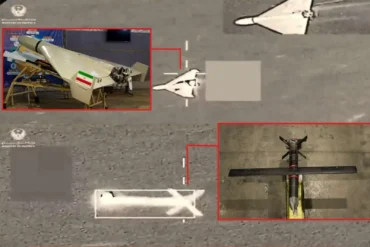
Ukraine’s use of drones represents a highly strategic adaptation to the modern battlefield. With their relatively low cost, high precision, and ability to bypass traditional defense mechanisms, drones have become a vital part of Ukraine’s military operations. The fact that Ukraine was able to launch such a large-scale aerial assault shows both the effectiveness of its drone capabilities and its intent to continue to disrupt Russian military operations within its own borders.
This tactic of launching swarms of drones has proven particularly effective in Russia, where air defense systems are often overwhelmed by the sheer volume of incoming threats. The drones used in these attacks are not just simple reconnaissance tools; they are equipped with explosives, precision guidance systems, and stealth capabilities, making them formidable weapons of war.
Ukraine’s continued drone attacks are not only a direct military strategy but also a psychological weapon. By bringing the war to Russia’s doorstep, Ukraine forces Russian civilians to confront the realities of the conflict, which had largely been confined to Ukrainian territories in the earlier stages of the war.
International Implications of the Drone War
The increasing use of drones in the Russia-Ukraine conflict is likely to have wide-reaching consequences beyond the battlefield. The growing reliance on unmanned aerial vehicles (UAVs) could accelerate their use in future conflicts worldwide. The conflict is quickly evolving into a case study for the potential of drones to shape modern warfare, with both sides adapting their tactics to leverage UAV technology to its fullest potential.
Furthermore, as the war progresses, the international community will need to reassess its approach to regulating drone warfare. While drone strikes have become a standard tactic in modern conflicts, the ethical and legal implications of their use are still hotly debated. As more countries gain access to advanced drone technology, the rules of engagement in future wars may need to be updated to prevent the indiscriminate use of UAVs in civilian areas.
The situation in Ukraine has already sparked discussions about the risks of escalating drone warfare, with some analysts warning that this technology could soon be available to non-state actors, further destabilizing global security.
Conclusion
The aerial bombardment of Russian territory by Ukrainian drones marks a significant escalation in the Russia-Ukraine conflict. With over 140 drones entering Russia, targeting critical infrastructure, and reaching as far as Moscow, the scale of the attack is unprecedented. These actions underscore a critical shift in the nature of modern warfare, where drones are used not only for reconnaissance and targeted strikes but also as psychological and military tools to disrupt enemy operations. With both sides doubling down on drone warfare, the conflict seems poised to escalate further, with long-term implications for military tactics and international security.