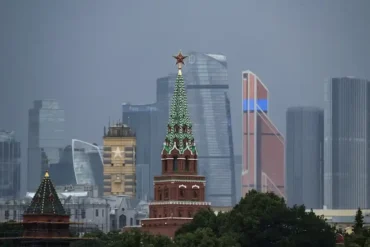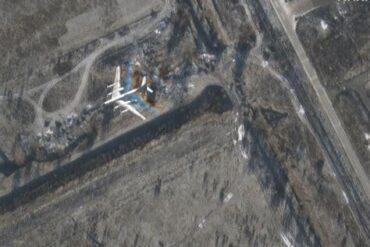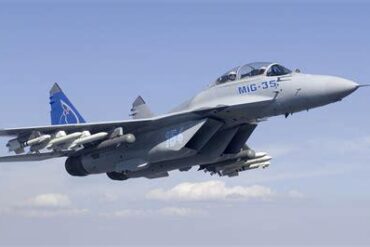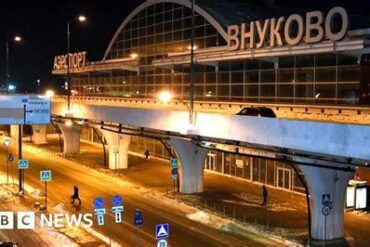
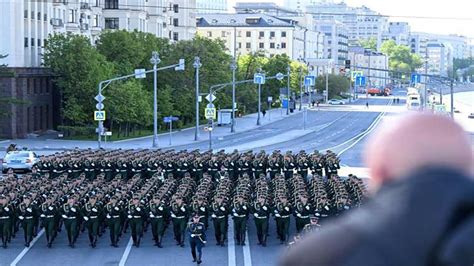
In a dramatic escalation of the conflict between Ukraine and Russia, Ukrainian drones struck Moscow mere hours before a high-profile military parade commemorating the 80th anniversary of victory over Nazi Germany. The strikes, which forced the closure of several of Moscow’s major airports and disrupted travel plans for world leaders en route to attend the ceremonial Victory Day event, signal not only Kyiv’s strategic intent but also the symbolic timing behind the action.
Ukrainian Strikes Target Moscow in Bold Pre-Parade Assault
On the night of May 7, as rehearsals for the Victory Day parade echoed across Red Square and foreign dignitaries began arriving in Moscow, the Ukrainian military launched a barrage of aerial attacks deep into Russian territory. According to Moscow’s Mayor Sergei Sobyanin, at least 14 Ukrainian drones were intercepted by air defense units, yet the fallout was significant. Airport operations at major hubs were brought to a standstill, with more than 350 flights delayed or canceled, causing chaos ahead of the arrival of international leaders.
This marks the third consecutive night of Ukrainian drone operations over the Russian capital, and the second in a row that aviation infrastructure has been directly impacted. The attacks coincide with Russia’s call for a three-day ceasefire, beginning at midnight on May 8, aimed at creating a peaceful backdrop for the massive World War II commemoration. Kyiv, however, flatly rejected the ceasefire as a “theatrical play” intended to mask ongoing aggression.
Zelensky Responds with Calls for Intensified Sanctions
Ukrainian President Volodymyr Zelensky responded to the Russian strikes on his country by calling for “significantly intensified pressure” on Moscow. During the same night that drones buzzed over the Kremlin, four ballistic missiles and 142 drones were launched by Russia into Ukrainian territory, resulting in civilian casualties. Falling debris from destroyed drones sparked fires across three districts in Kyiv, tragically killing a woman and her young son in the Shevchenkivskyi area.
Ukrainian emergency services remain on high alert, mobilized across volatile regions including Zaporizhzhia, Donetsk, Zhytomyr, Kherson, and Dnipro. Zelensky used the opportunity to reiterate calls for tougher sanctions, urging the international community to ensure that Russia is held accountable for what he termed “systematic acts of terrorism.”
The Strategic Timing: A Direct Challenge to Putin’s Narrative
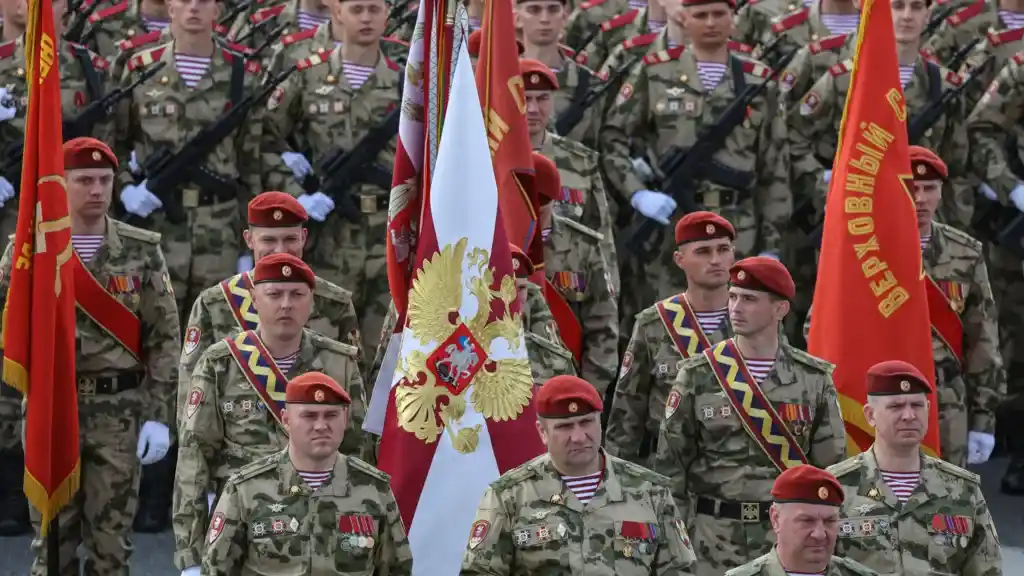
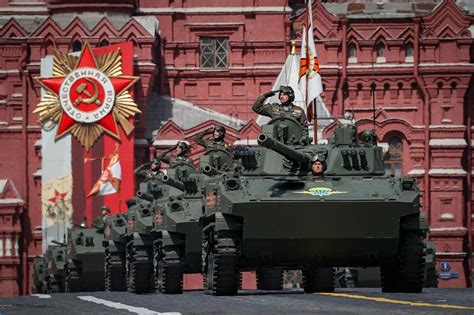
The Victory Day parade, set to begin in the heart of Moscow on May 9, is more than a celebration; it is a cornerstone of Vladimir Putin’s nationalistic messaging, tying Russia’s current military operations to its historical role in defeating Nazism. By striking Moscow on the eve of the event, Ukraine has undercut this narrative in the most direct way possible.
The timing of the strikes also calls into question the legitimacy of the ceasefire proposed by Russia. Ukrainian officials view the move as a propagandistic ploy to protect the pageantry of the Kremlin’s military show rather than a sincere attempt at de-escalation. In Kyiv’s words, the ceasefire proposal is nothing more than a “manipulation” and an effort to shield international optics.
Global Leaders Walk a Diplomatic Tightrope
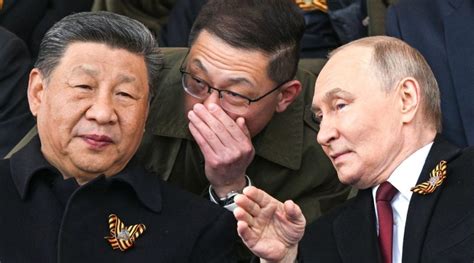
Despite the volatile situation, 29 world leaders are confirmed to attend the parade, among them Chinese President Xi Jinping, Brazilian President Luiz Inácio Lula da Silva, and Serbian President Aleksandar Vucic. European officials have warned Serbia that participation could jeopardize its European Union membership negotiations, illustrating the diplomatic complexities of the event.
China has emerged as a key military and economic ally of Russia amid its increasing isolation from the West. With the largest foreign military contingent at the parade — numbering 102 soldiers — Beijing’s presence is a clear signal of its strategic alignment. In an op-ed published in Russia’s state-owned Rossiyskaya Gazeta, Xi Jinping described the bilateral relationship as “resilient” and resistant to outside interference.
A Fragile Ceasefire Shrouded in Mistrust
The ceasefire, set to begin at 00:00 local time on May 8, is a clear attempt by Moscow to ensure a smooth ceremonial backdrop. Yet trust remains in short supply. Ukraine has already rejected the idea, pointing to the failure of a similar ceasefire during Easter, which quickly dissolved into renewed hostilities with both sides trading blame for violations.
Kyiv has warned that it cannot guarantee the safety of foreign officials visiting Moscow during such an unstable period. President Zelensky openly stated that Ukraine “cannot be held responsible for what happens on the territory of the Russian Federation.” The statement is both a warning and a disclaimer, reflecting the unpredictability of the current conflict.
Victory Day: From Historical Memory to Political Weapon
In Russia, Victory Day is the most significant public holiday — an event loaded with political symbolism and national pride. The Kremlin frequently draws parallels between the Soviet victory over Nazi Germany and Russia’s current military engagement in Ukraine, a narrative that Kyiv and much of Europe have flatly condemned as revisionist and dangerous.
Ukraine’s Foreign Ministry has denounced the upcoming parade and its foreign participants as “whitewashing war crimes.” Yuriy Savchuk, director of Ukraine’s War Museum, placed the ongoing war in historical context, calling it part of the broader struggle for Ukrainian national identity, akin to the existential battles of the 20th century.
Geopolitical Reverberations: East vs West Continues to Polarize
As China and Russia prepare to sign numerous new agreements during Xi’s four-day visit, concerns mount in the West about the formation of a formidable Eastern alliance. Kremlin officials have called China-Russia relations a “genuine example” of international cooperation and noted that ties are “at their highest point”.
Meanwhile, the European Union and NATO continue to ramp up military support for Ukraine, with further financial packages and arms shipments under consideration. The dichotomy between the two camps is now stark: where one side views the May 9 parade as a celebration of shared history, the other sees it as a dangerous platform for legitimizing modern-day aggression.
Looking Ahead: A Day of Memory in a Time of War
While Europe and Ukraine will commemorate VE Day on May 8, honoring peace and the end of war in Europe, Moscow’s grand display on May 9 will unfold under the looming shadow of an ongoing, unresolved conflict. As Russian jets thunder over the Kremlin in symbolic formation, the realities on the ground — drone strikes, missile barrages, and mounting civilian casualties — tell a different story.
The battle for narrative control, as much as for territory, remains fierce and unresolved. With both sides showing little sign of compromise, the contrast between the historic solemnity of World War II and the current ferocity of today’s war has never been more jarring.