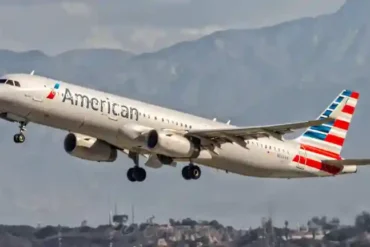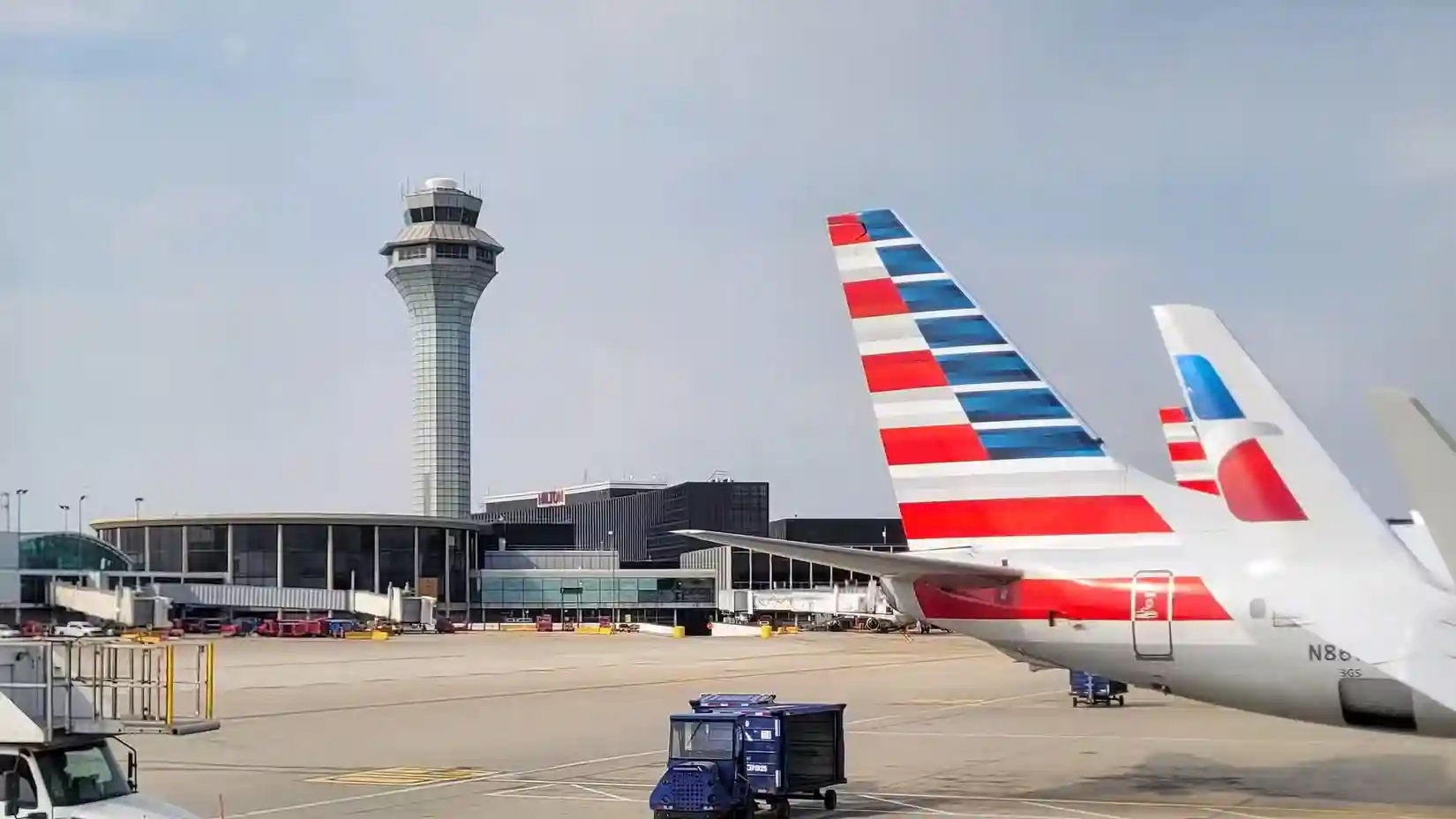
Passengers aboard American Airlines Flight AA836 expected a routine trip from Charlotte Douglas International Airport (CLT) to Chicago O’Hare International Airport (ORD). Instead, they found themselves caught in a day-long travel ordeal marked by an extended ground delay, severe thunderstorms, an unexpected diversion to Minneapolis-St. Paul International Airport (MSP), and an arrival in Chicago nearly 11 hours behind schedule. The incident illustrates how rapidly operational challenges can snowball during one of the busiest travel periods of the year.
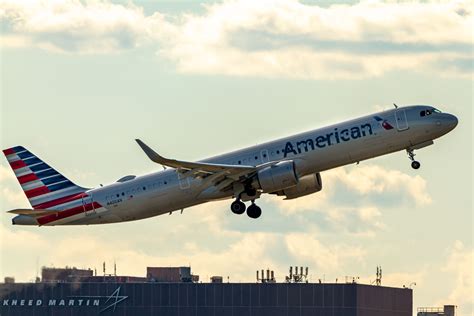
Originally scheduled to depart Charlotte at 1:05 PM, Flight AA836 remained on the ground for more than seven and a half hours before finally taking off at approximately 8:27 PM. The flight was operated by an Airbus A321neo, and although passengers likely believed the worst was behind them once airborne, weather conditions over the Midwest would create another significant obstacle before the journey could be completed.
As the aircraft approached the Chicago metropolitan area, flight crews encountered extensive thunderstorm activity affecting one of America’s busiest aviation hubs. Rather than attempting an unsafe approach into increasingly unstable weather, the crew diverted to Minneapolis-St. Paul International Airport, where the aircraft remained parked for roughly two additional hours before conditions allowed the flight to continue toward Chicago.
Flight AA836’s Delay Became a Chain Reaction of Operational Problems
Flight tracking information showed the aircraft attempting to navigate around numerous storm cells while approaching northern Illinois. However, weather conditions surrounding Chicago O’Hare deteriorated rapidly as powerful thunderstorms moved across the region, forcing air traffic managers to implement widespread traffic restrictions.
Safety always takes priority over schedule reliability, and diversions are often the only practical solution when severe weather threatens airport operations. While passengers understandably viewed Minneapolis as the “wrong city,” the diversion represented a standard safety decision designed to avoid hazardous landing conditions.
After touching down at 10:08 PM in Minneapolis, travelers remained onboard or inside the terminal while airline operations coordinated the final leg to Chicago. Shortly after 12:15 AM, the same aircraft departed MSP and eventually landed at Chicago O’Hare around 1:22 AM, transforming what should have been a short afternoon flight into an exhausting all-day journey.
Severe Chicago Thunderstorms Disrupted Hundreds of Flights
Flight AA836 was far from the only service affected. The severe weather system produced one of Chicago O’Hare’s most disruptive operating days of the summer.
According to flight operations data, the airport experienced:
- More than 600 flight cancellations
- Over 1,000 delayed flights
- Approximately 20% of scheduled flights canceled
- Nearly 40% of flights delayed
Ground stops affected both O’Hare International Airport and Chicago Midway International Airport (MDW) as thunderstorms, heavy rainfall, lightning, and powerful wind gusts reduced arrival and departure capacity throughout the evening.
Although American Airlines managed to avoid widespread cancellations compared with some competitors, the carrier still recorded well over 1,000 delayed flights across its network, with Chicago accounting for a substantial share of the disruptions.
Why O’Hare Is Especially Vulnerable During Major Storm Systems
Chicago O’Hare serves as one of the world’s largest airline hubs, making it exceptionally sensitive to weather-related disruptions. Every arrival and departure is connected to dozens of additional flights across domestic and international networks, meaning even relatively short interruptions can ripple through airline schedules nationwide.
In 2025, O’Hare recorded approximately 857,392 aircraft movements, making it the world’s busiest airport by flight operations. Such enormous traffic volumes leave little room for recovery when thunderstorms reduce runway availability or require aircraft to maintain greater spacing between arrivals.
Both American Airlines and United Airlines rely heavily on O’Hare as a connecting hub. When severe weather develops, aircraft, crews, gates, and passengers quickly become displaced, creating delays that may continue long after skies begin to clear.
Operational pressures have also increased following the Federal Aviation Administration’s daily movement limits at O’Hare, restricting total flight operations to help manage congestion while maintaining safety.
Holiday Travel Added Even More Pressure
The disruption occurred during one of the busiest aviation periods in the United States. Around the Fourth of July holiday, airports routinely experience some of their highest passenger volumes of the year.
The Transportation Security Administration (TSA) projected screening nearly 18.7 million travelers between June 30 and July 6, with individual days exceeding three million passengers. Those extraordinary travel numbers leave airlines with less operational flexibility when unexpected weather develops.
Adding further complexity, the ongoing 2026 FIFA World Cup and America 250 celebrations have generated additional domestic and international travel demand. Higher passenger volumes increase pressure on available aircraft, flight crews, airport gates, and maintenance resources, making recovery from large-scale weather disruptions significantly more challenging.
A Reminder That Weather Can Overrule Even the Best Flight Schedules
For passengers aboard American Airlines Flight AA836, the experience was a frustrating combination of extended delays, an unexpected diversion, and hours of uncertainty before finally reaching Chicago. Although arriving in Minneapolis instead of Chicago was never part of the itinerary, the diversion reflected aviation’s uncompromising commitment to operational safety during dangerous weather.
The incident also highlights how quickly severe thunderstorms at a major hub like Chicago O’Hare can affect thousands of travelers across the country. Even airlines that successfully limit cancellations cannot always prevent extensive delays when weather temporarily overwhelms one of the world’s busiest airports. During peak holiday travel, a single afternoon of severe storms can ripple through airline schedules well into the following day, turning an ordinary flight into an unforgettable journey.