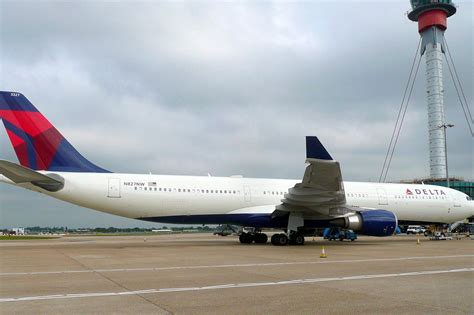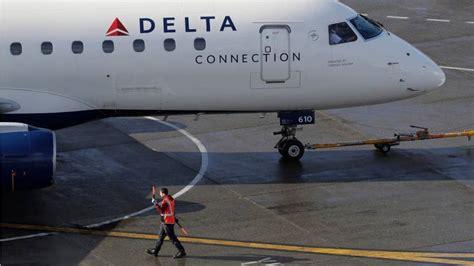
An Orlando-bound Delta Air Lines flight faced a prolonged and disruptive delay of more than ten hours after a “suspected fuel leak” forced the Airbus A321 to divert mid-flight and land at Norfolk International Airport (ORF). Originally scheduled to operate as Delta Flight 1622 from New York’s John F. Kennedy International Airport (JFK) to Orlando International Airport (MCO), the flight encountered the issue while airborne, prompting immediate cautionary measures that affected nearly 200 passengers and Delta’s wider operational schedule.
Unscheduled Landing in Norfolk After In-Flight Alert
The Airbus A321, registered as N355DN, departed JFK at 11:27 EDT, with an anticipated arrival at Orlando between 14:00 and 14:30 EDT. However, less than midway into its usual two-and-a-half-hour journey, the flight crew made the call to divert. The aircraft landed at 14:36 EDT in Norfolk, covering a shortened distance of approximately 251.6 nautical miles (466 kilometers). The suspected issue, a potential fuel leak, was later confirmed by airport officials.
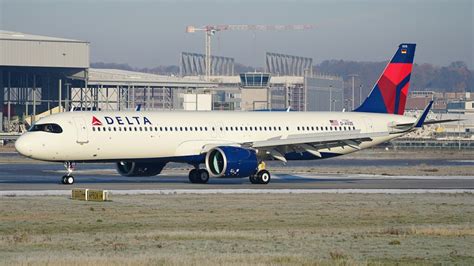
According to Chris Jones, spokesperson for Norfolk International Airport, the diversion was executed based on a “suspected fuel leak,” prompting immediate inspection upon landing. Delta later issued a statement characterizing the diversion as a precaution for a “possible maintenance issue,” consistent with industry protocol when anomalies are detected in fuel system pressure or flow sensors during flight.
Extended Ground Time and Maintenance Challenges
Once safely on the ground, the aircraft remained at Norfolk for an extended duration—more than 8 hours beyond initial estimates. Delta spokesperson Anthony Black had stated earlier that the aircraft was expected to resume its journey to Orlando at 20:00 EDT, but in reality, it didn’t depart until 22:44 EDT, ultimately reaching JFK at 00:39 EDT the next day.
This timeline suggests the maintenance team encountered greater complexity in diagnosing or resolving the suspected leak than initially projected. Whether the anomaly was a sensor malfunction or a physical breach in the fuel system remains undisclosed by Delta, but the prolonged delay implies a meticulous and thorough safety inspection process—standard procedure when dealing with volatile systems like aircraft fuel lines and tanks.

Aircraft Background: A Seven-Year-Old Airbus A321
The diverted aircraft, an Airbus A321 built at Airbus’s Hamburg Finkenwerder facility (XFW), is approximately seven years old, according to data from Planespotters.net. Despite the delay, the aircraft has since resumed normal operation, suggesting the issue did not warrant prolonged removal from service. As part of Delta’s large narrowbody fleet, the A321 serves high-traffic domestic routes like JFK–MCO, and is a vital component of Delta’s East Coast strategy.
A Flight Disruption with Passenger Impacts
While the aircraft ultimately returned to service, questions remain regarding passenger experience and handling during the delay. With 191 passengers onboard at the time of diversion, Delta has not confirmed whether alternative accommodations or rerouting were offered. It’s likely that, given the extended downtime and lack of a nearby Delta hub at ORF, many passengers either waited out the delay or were rebooked on other carriers from neighboring airports.
The lack of formal updates on passenger compensation or rebooking support from Delta leaves a critical gap in transparency, though the airline may have addressed those issues directly with impacted customers. In such diversion events, airline policies often allow for vouchers, miles, or full refunds depending on delay duration and passenger inconvenience.
Mid-Flight Fuel Leak Scenarios: A Serious Aviation Hazard
Unlike some fuel issues identified during ground checks, in-flight fuel leaks are particularly concerning due to their potential for engine damage, fire, or in worst-case scenarios, total loss of control. While there is no indication that flames, fumes, or loss of thrust occurred in this incident, Delta’s decision to divert proactively aligns with FAA regulations and internal safety protocols.
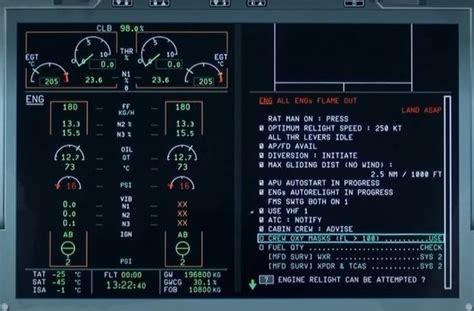
A similar case occurred in October 2023 involving an Air France A321 (F-GTAK) scheduled from Paris CDG to Istanbul, where a visual fuel leak from both wings led to a full evacuation on the ground. Unlike the Delta case, that leak was detected prior to takeoff. Conversely, another incident with Alaska Airlines in recent years required an emergency return to Kansas City when a Boeing 737 leaked fuel mid-air, with the pilot shutting down one engine and diverting as per standard emergency procedures.
These examples emphasize that leaks in-flight require swift, conservative judgment. Ignition of leaking jet fuel, if it occurs near electrical systems or hot engine components, can be catastrophic.
The Role of Delta’s Maintenance & Operational Protocols
Delta, recognized for its stringent safety reputation and comprehensive maintenance standards, reportedly acted in accordance with industry norms. The airline’s statement confirmed their commitment to prioritizing passenger and crew safety, despite the schedule disruption. While modern aircraft like the A321 are equipped with advanced fuel monitoring systems, false positives can occur. However, Delta’s engineering teams do not take chances—any potential discrepancy often leads to immediate inspection.
Notably, the delay beyond initial maintenance projections may reflect challenges in sourcing parts, labor availability at a non-hub airport, or the need for more extensive fuel system pressure testing.
Public Trust and Communication Gaps
Though Delta executed the diversion professionally and without physical harm, the lack of detailed post-incident communication may affect public perception. Transparency about findings, next steps, and customer service responses could mitigate passenger frustration and reinforce trust in airline safety management. In an era of social media scrutiny, such delays without timely explanation often result in negative sentiment.
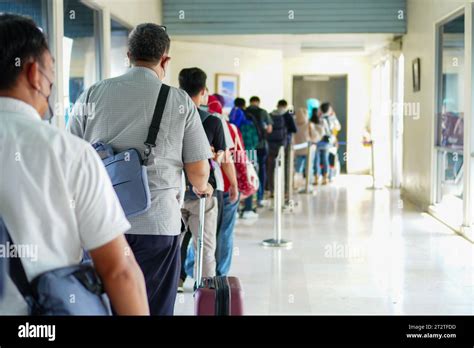
Airlines like Delta are increasingly under the spotlight to balance operational caution with customer communication, especially on popular leisure routes like JFK–Orlando. Given that this flight caters heavily to families, tourists, and theme park visitors, any delay of this nature has cascading impacts on hotel bookings, event schedules, and family plans.
Historical Context: Diversions on the Rise
Fuel-related diversions, while rare, appear to be rising in tandem with increasing aircraft utilization rates, particularly in the post-pandemic travel boom. With more flights, aging airframes, and tighter turnaround times, maintenance windows are narrower, raising the odds of mid-flight system issues surfacing.
Regulators and airline auditors often track such anomalies closely. If a particular aircraft model or component is involved in repeated fuel-related issues, airworthiness directives (ADs) may be issued by bodies like the FAA or EASA to enforce system upgrades or inspections fleetwide.
Conclusion: Safety First, But More Transparency Needed
This incident involving Delta Flight 1622 underscores the vital importance of rigorous flight safety protocols, particularly when signs point to hazardous mechanical risks such as fuel leaks. While the outcome avoided any injury or aircraft damage, the lengthy delay and lack of clarity regarding passenger treatment reveal an area for improvement in post-incident handling.
Delta’s emphasis on caution is commendable, and the aircraft’s return to service confirms no critical structural failure was found. However, in a travel environment increasingly shaped by real-time updates and customer experience expectations, better transparency and contingency planning may be needed for future disruptions.