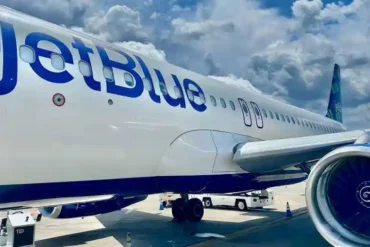
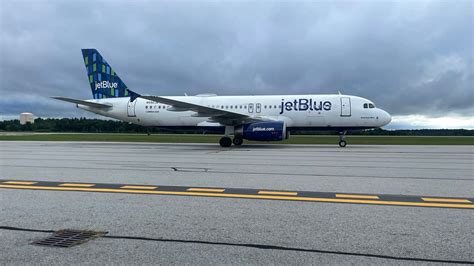
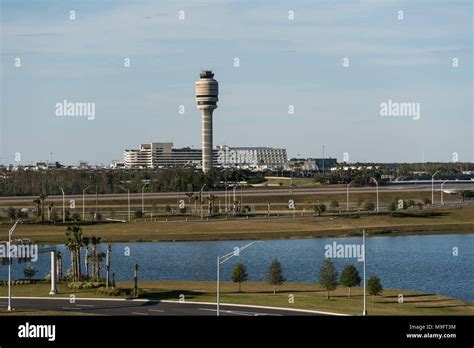
On July 4, 2025, a JetBlue aircraft bound for Worcester, Massachusetts, encountered a critical disruption at Orlando International Airport (MCO) that has since sent shockwaves through the tourism ecosystems of both cities. Flight 488, scheduled for routine departure, veered off the taxiway nose-first during its pre-takeoff rollout. Although no passengers were injured, the disruption illuminated the fragile balance between airline reliability and regional tourism sustainability. This single operational mishap has already begun to ripple across both central Florida’s high-volume tourism corridor and Massachusetts’ emerging cultural and business destination—Worcester.
The Orlando Taxiway Incident: Flight 488’s Disruption Timeline
JetBlue’s Flight 488 was in the final stages of pre-departure taxiing when the aircraft’s nose gear diverged from the designated taxiway, leading to an abrupt stop. Emergency response was swift. All passengers were safely evacuated and bussed back to the terminal, but the flight’s ultimate arrival in Worcester was delayed by nearly five hours.
This delay, though seemingly minor in comparison to mechanical failures or emergencies in-flight, drew attention due to its domino effect on both leisure and business travel plans. The incident not only disrupted the immediate itinerary of over 100 passengers but also drew scrutiny toward JetBlue’s taxiway and ground-handling operations at MCO—a vital hub for domestic and international travelers.
Worcester: A Fragile but Emerging Tourism Market
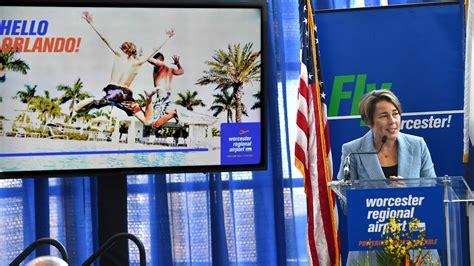
Worcester, often considered Boston’s quieter sibling, has experienced a recent revival in its tourism economy. With its historic architecture, medical centers, and university-driven business sector, the city has positioned itself as a niche destination for cultural and academic tourism. Central to this growth has been JetBlue’s nonstop service between Worcester Regional Airport and Orlando, acting as a lifeline connecting leisure families, business executives, and college visitors alike.
The Flight 488 incident—though resolved without casualties—raised concerns among travelers about Worcester Regional Airport’s resilience in the face of sudden disruptions. Passengers who encountered hours-long delays, missed connections, or had to rebook accommodations may reassess Worcester as a feasible entry point to New England.
Orlando’s Brand Image and Dependence on Airline Reliability
As a global heavyweight in tourism, Orlando draws over 70 million tourists annually, primarily for its theme parks, resorts, and convention centers. A delay at Orlando International Airport may not raise eyebrows on a statistical scale, but every passenger experience counts—especially when thousands of travelers are operating on tight, high-stakes vacation schedules.
Flight 488’s delay took place in peak travel season, just as families, international groups, and domestic tourists filled the terminals. A delay stemming from a taxiway mishap—regardless of blame—can become amplified on social media, quickly coloring the city’s aviation infrastructure as inefficient or unreliable. This, in turn, creates psychological friction for future travel decisions.
Orlando’s hospitality infrastructure banks heavily on smooth, time-optimized travel. If the airport’s operational consistency comes into question, even briefly, it could introduce reputational risk. Every hour a flight is delayed can mean missed park reservations, dining events, or cruise transfers, which dampens the experience for travelers.
The Domino Effect: How One Incident Disrupts Regional Travel Ecosystems
What appears to be a minor airfield event at first glance is, in truth, a catalyst for systemic disturbance. The delay of JetBlue Flight 488 underscores a harsh truth: regional air connectivity is a linchpin for tourism-dependent economies.
Passengers scheduled to arrive in Worcester that afternoon missed family reunions, business meetings, and academic visits. In Orlando, the logistical nightmare of handling displaced passengers, rerouting flight schedules, and maintaining airport ground operations created ripple delays that lasted hours. Additional flight crews had to be reassigned, runway and taxiway maintenance crews were redirected, and passengers waiting on subsequent departures encountered cascading inconveniences.
Trust and Perception: The Real Currency of Airline-Tourism Synergy
The long-term impact of aviation incidents doesn’t just play out on spreadsheets—it unfolds in public sentiment and customer confidence. Frequent flyers and vacationers rely heavily on trust in air carriers. JetBlue, already juggling a reputation for tight schedules and affordable service, now faces the additional burden of proving its operational reliability.
If these incidents become frequent or are poorly managed, Worcester may experience a drop in visitor arrivals. Given its relatively low airport throughput, every canceled or delayed flight represents a higher percentage of overall disruption than in a city like Boston. Similarly, Orlando’s strength in tourism may insulate it from catastrophic fallout, but its image as a well-oiled machine in global travel must remain intact to avoid slipping behind competing destinations like Las Vegas, Miami, or Los Angeles.
Business Travel and Academic Tourism in Jeopardy
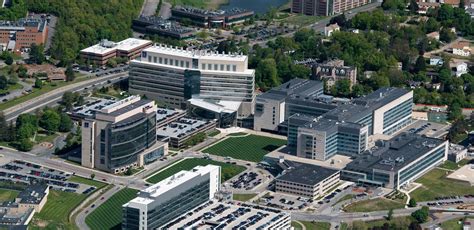
Beyond leisure tourism, Worcester’s economy leans heavily on academic and business travel. Home to institutions like UMass Chan Medical School and Worcester Polytechnic Institute, the city welcomes medical professionals, conference speakers, and academic collaborators throughout the year. When flights are disrupted, the consequences can include:
- Missed speaking engagements
- Delayed conference arrivals
- Lost revenue for local hotels and restaurants
- Reduced reliability for hosting regional business events
Even a single high-profile delay can affect the willingness of professionals to fly into smaller airports. Business travelers demand punctuality; if that perception erodes, so too does the economic attractiveness of Worcester as a hub.
Tourism Resilience: How Cities Can Bounce Back From Disruption
Tourism boards and local government agencies must act swiftly to ensure that trust is rebuilt and maintained. This involves:
- Transparent communication from airlines during and after incidents
- Investments in airport infrastructure to avoid future taxiway mishaps
- Enhanced coordination between emergency response teams and airport staff
- Public relations efforts to remind travelers of the cities’ cultural value
In Orlando, reinforcing the idea that this was an isolated event will be crucial. MCO’s vast network and high-traffic operations mean that it’s under constant scrutiny. Demonstrating agility, accountability, and professionalism in response to Flight 488 will help prevent long-term brand degradation.
In Worcester, the tourism board must work with JetBlue and the Massachusetts Port Authority to bolster public confidence in regional routes, especially since many flyers choose Worcester for its convenience over Logan International Airport in Boston.
The Bigger Picture: Lessons for the Airline and Travel Industry
JetBlue Flight 488 is more than just a footnote in aviation records. It represents a lesson in interdependency. Airlines are no longer just service providers—they are gatekeepers to regional prosperity. Every flight delay, no matter how localized, has the potential to undermine economic sectors, tarnish destination branding, and alter traveler behavior.
As global tourism rebounds after years of pandemic-induced stagnation, airlines and airports must become more resilient, proactive, and transparent. Incidents must be viewed not just in terms of engineering failure or weather challenges, but within the broader context of economic connectivity and traveler sentiment.
Final Thought: Air Travel Is Experience, Not Just Transportation
For modern travelers, the journey is just as important as the destination. An unexpected five-hour delay, even one free of injuries or structural damage, can derail business deals, ruin special vacations, and sour opinions of cities entirely. For Worcester and Orlando, whose economies are intrinsically linked to aviation efficiency, maintaining air service quality is non-negotiable.
In a world where social media virality can make or break a tourism brand overnight, cities and airlines must work in tandem to ensure that each incident—however minor—is addressed with urgency, empathy, and professionalism. The JetBlue Flight 488 incident serves as a cautionary tale, not of catastrophe, but of how even small-scale disruptions can have wide-reaching consequences for regional economies.