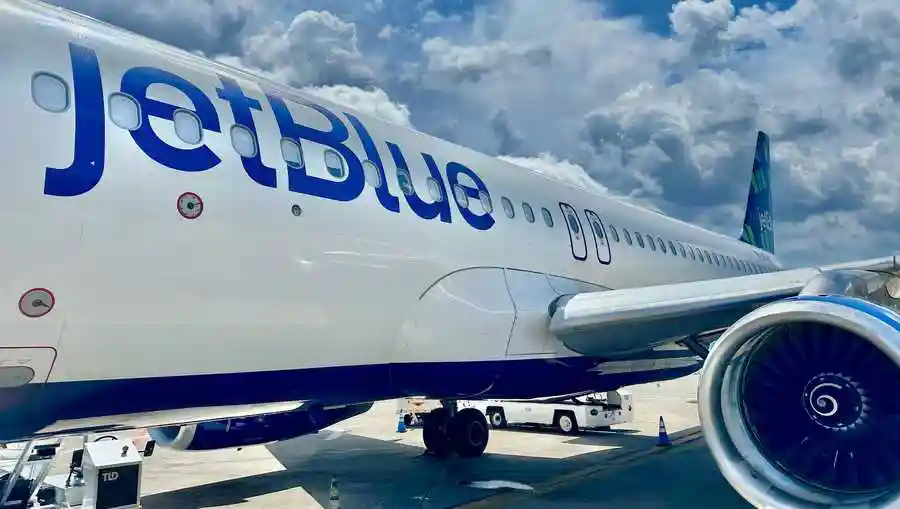
A routine departure from Orlando International Airport (MCO) took an unexpected turn on Friday morning when a JetBlue flight veered off the taxiway and ended up with its nose gear in the grass, triggering delays and a thorough safety response. The incident involved JetBlue Flight 488, bound for Worcester Regional Airport (ORH) in Massachusetts.
The event unfolded as Flight 488, scheduled to depart Orlando before 10 a.m., began taxiing toward the runway. According to a statement released by JetBlue, during taxiing operations, the aircraft left the paved taxiway surface, causing the nose gear to come to rest on the grassy area adjacent to the tarmac.
Passengers on board reported feeling a sudden shift as the aircraft diverted from its designated taxi path. While no injuries were reported, the disruption resulted in the deplaning of all passengers, who were subsequently transported back to the terminal via bus. The scheduled flight was delayed for several hours, ultimately pushing back the departure time well past 2 p.m., as confirmed by FlightAware, a prominent flight-tracking service.
Immediate Response and Passenger Safety
The airline emphasized its commitment to safety in the aftermath of the incident. “At JetBlue, safety is our highest priority. We are conducting a thorough investigation and will work closely with the appropriate authorities to determine the cause of the incident,” a JetBlue spokesperson stated.
Ground crews quickly secured the aircraft and arranged alternative transportation for the affected passengers. The incident did not appear to damage the aircraft significantly, though comprehensive inspections were initiated to ensure the aircraft’s airworthiness before its next operation.
The Federal Aviation Administration (FAA) has been notified and will be working with JetBlue to investigate the circumstances that led to the aircraft’s deviation from the taxiway. Although details remain under review, early assessments suggest the aircraft’s control systems and ground conditions at the time will be key areas of focus.
Possible Contributing Factors and Weather Conditions
While the precise cause has yet to be determined, several possible factors could have contributed to the incident. Orlando International Airport, one of the busiest travel hubs in Florida, experiences a high volume of aircraft movements daily, and taxiway congestion or pilot navigation challenges are not uncommon.
Weather conditions during the morning hours were reportedly clear, with no severe storms or heavy precipitation that might have contributed to slippery taxiways. However, residual moisture or uneven ground conditions near the taxiway edges could not be ruled out. Investigators are also expected to review black box data, ground control communications, and cockpit procedures leading up to the event.
Impact on JetBlue Operations and Passenger Reactions
JetBlue’s Flight 488 was operated by one of the airline’s Airbus A320 aircraft, a workhorse of JetBlue’s short-to-medium haul routes. The incident highlights the operational complexities of managing high-volume airport traffic while ensuring stringent safety standards.
Passengers expressed a mixture of frustration and relief on social media following the ordeal. “It was scary at first, but the crew kept us calm, and they handled the situation well,” one passenger shared in a post that has since circulated widely among aviation news platforms. Others reported delays in connecting flights and disrupted travel plans, though JetBlue confirmed it provided accommodations and rebooking assistance for affected customers.
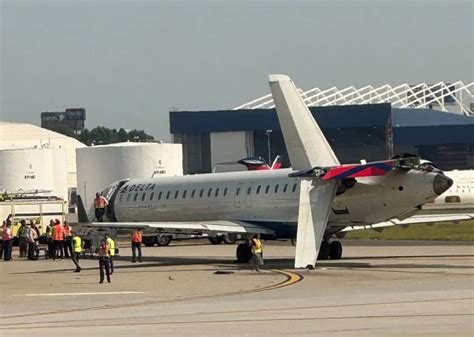
Despite the inconvenience, the absence of injuries and the prompt response by airport and airline personnel have been commended by aviation experts. “These situations underscore the importance of crew training and airport emergency readiness. Even when incidents occur on the ground, ensuring passenger safety is paramount,” noted a former FAA safety inspector familiar with airport operations.
Broader Context: JetBlue’s Safety Record and Orlando’s Busy Airspace
JetBlue has maintained a relatively strong safety record since its founding in 1998. With operations concentrated along the East Coast, the airline serves dozens of domestic and international destinations, with Orlando International Airport functioning as a key hub for leisure travelers.
MCO, ranking as Florida’s busiest airport after Miami International, sees thousands of flights weekly. The airport’s layout includes multiple parallel runways and an extensive network of taxiways designed to accommodate its heavy traffic flow. Nonetheless, ground incidents involving aircraft straying off paved surfaces, while rare, do occur across the aviation industry.
Industry observers have pointed to increasing traffic levels post-pandemic, combined with infrastructure constraints, as contributing stressors on both pilots and ground operations at major airports like Orlando. This event adds to ongoing discussions about airport expansion, ground movement protocols, and technology enhancements to improve situational awareness for pilots during taxiing phases.
Investigation Process and Next Steps
Following standard procedures, JetBlue and the FAA will conduct a detailed inquiry, which may include:
- Reviewing cockpit voice recorder (CVR) and flight data recorder (FDR) information.
- Examining ground control instructions provided to Flight 488.
- Inspecting the aircraft’s landing gear, steering mechanisms, and brakes.
- Evaluating taxiway maintenance records and ground conditions.
- Interviewing flight crew members and ground personnel involved.
Such investigations typically span several weeks to months, depending on complexity. The outcome may result in recommendations for procedural adjustments, enhanced pilot briefings, or infrastructure modifications if deemed necessary.
JetBlue reiterated its stance on transparency, stating, “We will share updates as the investigation progresses, and we remain committed to the highest levels of operational safety.”
Conclusion: A Cautionary Reminder for the Aviation Industry
The JetBlue taxiway incident at Orlando International Airport serves as a stark reminder of the dynamic nature of aviation operations. While the industry upholds remarkable safety records globally, even ground-based movements carry inherent risks that demand vigilance, training, and constant evaluation of infrastructure.
Passengers, though inconvenienced, were spared any injuries, a testament to the preparedness of both JetBlue’s crew and Orlando’s emergency response teams. As the investigation unfolds, lessons from this incident are expected to inform not only JetBlue’s protocols but also broader discussions about enhancing ground movement safety across major airports in the United States.
The eyes of the aviation community now turn to the findings of the investigation, eager to ensure that occurrences like this remain rare and that the public’s confidence in air travel remains unwavering.