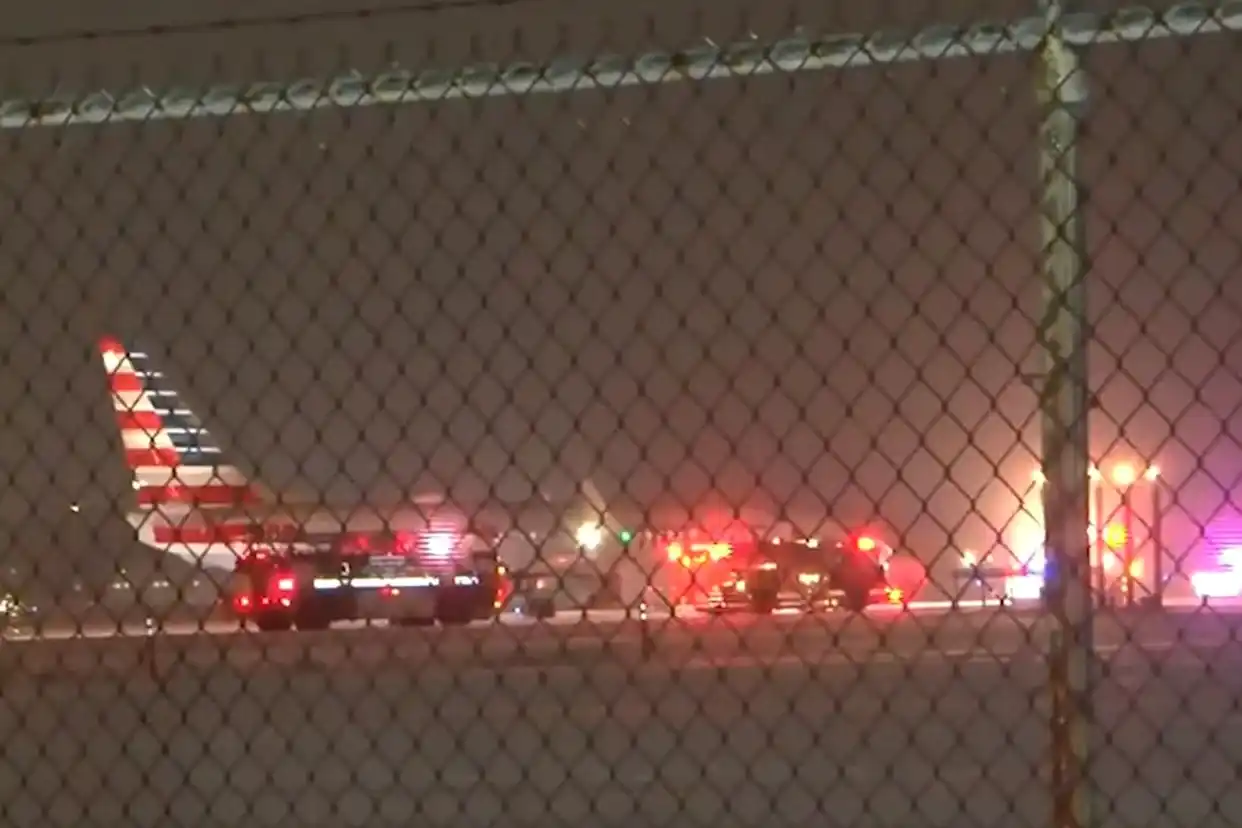
American Airlines passengers traveling from Rochester to Charlotte experienced an unsettling sense of déjà vu when a winter storm caused their aircraft to skid off a taxiway, forcing an overnight delay and reviving memories of a similar incident at the same airport two years earlier.
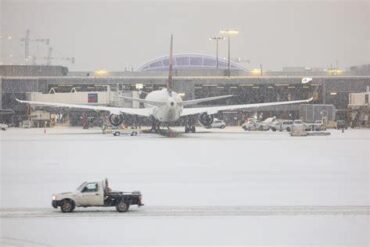
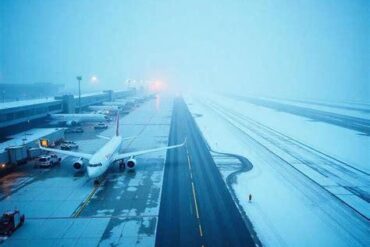
The disruption unfolded at Greater Rochester International Airport during a stretch of heavy snow and freezing temperatures that complicated evening operations. The aircraft involved, a Boeing 737-800, had already completed deicing when it attempted to taxi for departure. During a turn on the snow-covered pavement, the jet’s nose wheel drifted beyond the edge of the taxiway and settled into the adjacent grass, halting the flight just moments before takeoff.
At the time of the incident, nearly 90 passengers were on board American Airlines Flight AA3057, a regularly scheduled service bound for Charlotte Douglas International Airport, one of the carrier’s most critical hubs. What was expected to be a routine two-hour flight instead became an extended ordeal shaped by winter weather, ground logistics, and safety-first decision-making.
A Routine Departure Disrupted by Winter Conditions
Flight AA3057 was scheduled to depart Rochester at 6:41 p.m., with an anticipated arrival in Charlotte before 9 p.m. Weather conditions, however, were far from routine. Snowfall and subfreezing temperatures required full deicing procedures, adding pressure to ground crews and pilots navigating slick taxiways under limited visibility.
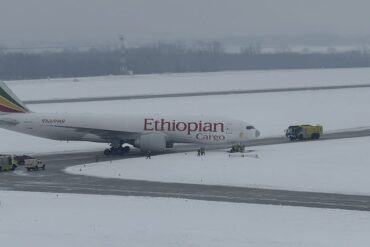
As the aircraft maneuvered toward the runway, it reportedly took a turn too wide, causing the nose gear to leave the paved surface. The aircraft did not suffer structural damage, but the nose wheel became embedded in snow and grass, rendering the jet immobile. Airport firefighters later confirmed that the aircraft had “left the pavement,” a phrase that underscored both the seriousness and the restraint of the situation.
Passengers remained calm as the crew assessed the situation and coordinated with airport authorities. There were no injuries, and safety protocols were followed precisely as designed.
Passenger Experience and Emergency Response
Rather than keeping passengers confined inside the aircraft during recovery efforts, American Airlines arranged buses to transport everyone back to the terminal. This decision minimized discomfort and allowed customers access to warmth, restrooms, and airline support staff while the aircraft remained stuck on the taxiway.
Recovery operations proved challenging. Snow accumulation and frozen ground delayed towing, and it was not until approximately 9:30 p.m. that crews successfully moved the aircraft back to the gate. By that point, the flight crew had reached duty-time limits, making a same-night departure impossible.
The airline ultimately postponed the service until the following afternoon, resulting in a delay of more than 18 hours. Affected travelers were provided hotel accommodations, meal assistance, and rebooking options, particularly for those with onward connections through Charlotte.
Aircraft Details and Operational Impact
The aircraft involved carried the registration N996NN, a 9.5-year-old Boeing 737-800 that has flown exclusively for American Airlines since its delivery in 2016. Configured to seat 172 passengers, the narrowbody jet is a workhorse of the airline’s domestic network and a familiar sight at regional airports like Rochester.
Incidents of this nature, while rare, highlight the operational risks that winter weather poses even to modern aircraft and experienced crews. Taxiway excursions typically occur at low speed, but they can still disrupt airport traffic, delay subsequent flights, and require careful coordination between airlines and airport authorities.
Echoes of a Similar Incident Two Years Earlier
What made the event particularly striking was its resemblance to a January 2024 incident at the same airport. Nearly two years ago to the day, an American Eagle regional jet operated by Piedmont Airlines slid off a Rochester taxiway under similarly icy conditions. That aircraft, an Embraer ERJ145, had just arrived from Philadelphia and was fully loaded with 50 passengers.
As with the recent Boeing 737 incident, passengers were safely deplaned and transported by bus, and no injuries were reported. The parallel events have drawn attention to the challenges Rochester faces during severe winter weather, especially when snowfall coincides with peak travel periods.
Safety, Weather, and Lessons from Rochester
These back-to-back winter incidents underscore how weather remains one of aviation’s most unpredictable variables. Even with advanced forecasting, deicing technology, and trained crews, snow and ice can rapidly change surface conditions, increasing the margin for error during ground operations.
Airport authorities and airlines continue to refine winter procedures, from enhanced surface treatments to improved pilot guidance during taxiing. While the Rochester events were resolved safely, they serve as reminders that vigilance on the ground is just as critical as skill in the air.
For passengers on AA3057, the night ended not in Charlotte but in local hotels, carrying with them a story that felt eerily familiar. In Rochester, winter once again proved that even before takeoff, aviation can be tested by the elements.