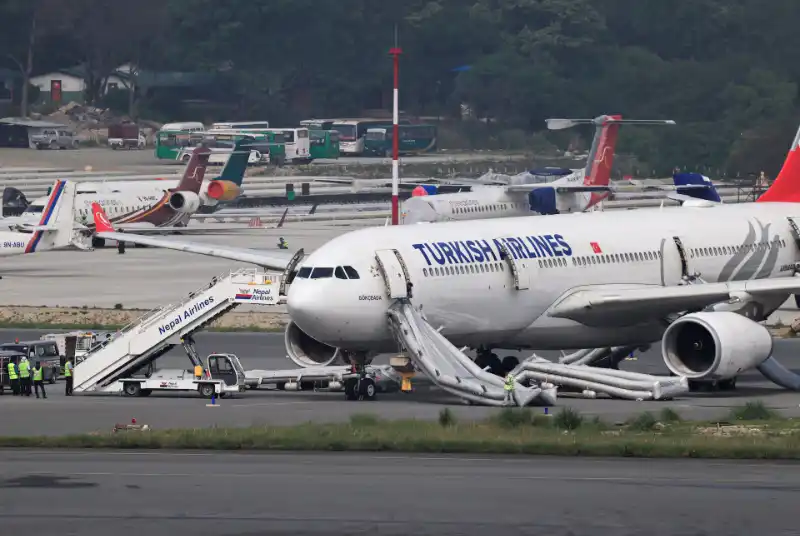
Turkish Airlines was forced to evacuate 288 passengers and crew members after one of its Airbus A330-300 aircraft caught fire shortly after landing at Tribhuvan International Airport in Kathmandu, Nepal. The dramatic incident unfolded on the morning of May 11, 2026, when smoke and flames were spotted emerging from the aircraft’s right landing gear while the jet was taxiing after arrival from Istanbul.
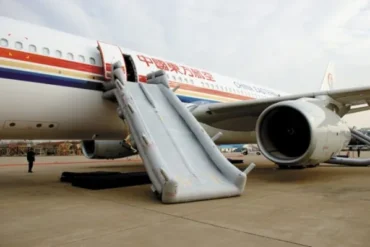
The aircraft involved, an Airbus A330-300 registered TC-JNP, was operating Flight TK726 from Istanbul Airport to Kathmandu when the emergency began developing on the ground. According to airport officials and airline statements, cabin crew reacted immediately after smoke became visible beneath the aircraft, initiating a rapid evacuation using inflatable emergency slides while firefighters raced toward the widebody jet.
All 277 passengers and 11 crew members escaped safely from the aircraft without injuries, a result aviation experts say highlights the effectiveness of modern evacuation training and coordinated airport emergency response systems.
The incident temporarily shut down Nepal’s busiest international airport and triggered delays across multiple regional and long-haul flights as emergency crews secured the aircraft and inspected the runway area.
After the aircraft came to a stop during taxi operations, witnesses reported seeing smoke pouring from the lower right side of the Airbus A330. Videos shared online showed airport fire vehicles surrounding the aircraft while passengers evacuated onto the taxiway using slides attached to several exits.
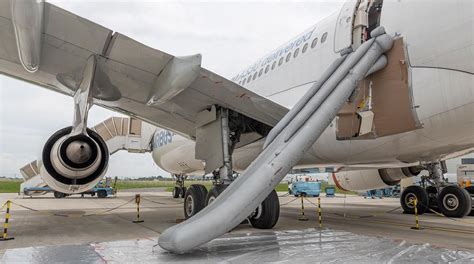
Initial technical assessments suggested the smoke may have originated from a malfunction involving a hydraulic pipe connected to the landing gear system. Turkish Airlines later confirmed that engineering teams had launched a detailed inspection into the incident while authorities in Nepal coordinated with airport rescue and firefighting units to secure the aircraft.
Yahya Ustun, the airline’s senior vice president, stated that preliminary findings pointed toward a technical malfunction involving hydraulic components. While the exact cause remains under investigation, aviation specialists note that hydraulic leaks near hot braking systems or landing gear assemblies can rapidly generate smoke and fire risks if fluid contacts overheated surfaces.
The evacuation itself unfolded within minutes, with cabin crew members directing passengers toward emergency exits while pilots coordinated with airport emergency services from the cockpit. Emergency evacuations on widebody aircraft are among the most complex procedures in commercial aviation because of the sheer number of passengers involved and the urgency required during fire-related events.
The Airbus A330 family is certified under strict international safety regulations that require all passengers to be evacuated within 90 seconds using only half of the aircraft’s exits. Aircraft manufacturers must repeatedly demonstrate these evacuation capabilities during certification testing before an aircraft enters commercial service.
Inside the cabin, the A330 is equipped with illuminated escape-path lighting, multiple inflatable slides, emergency floor markings, and reinforced exit systems designed specifically for smoke-filled or low-visibility conditions. Cabin crew undergo recurrent emergency training throughout their careers, including drills involving simulated cabin fires, blocked exits, panicked passengers, and rapid decision-making under pressure.
Aviation safety experts say incidents involving landing gear smoke are particularly challenging because crews must quickly determine whether passengers are safer remaining onboard or evacuating immediately onto the airfield. Evacuations themselves can create risks, especially when slides are deployed onto active taxiways or runways where vehicles, fuel, or engine hazards may exist.
In Kathmandu, emergency responders successfully contained the fire before it spread beyond the landing gear area. Airport authorities then suspended operations at Tribhuvan International Airport for approximately two hours while crews extinguished remaining hotspots and removed the disabled aircraft from operational areas.
Because Tribhuvan International Airport operates with a single runway surrounded by mountainous terrain, even relatively short disruptions can create cascading operational delays throughout the region. Several inbound and outbound flights reportedly experienced diversions or scheduling disruptions during the temporary closure.
The incident also renewed attention on the operational challenges airlines face when serving airports like Kathmandu. Tribhuvan International Airport is widely regarded as one of the more technically demanding international airports in Asia because of its terrain, weather variability, and runway limitations. Aircraft arriving there require specialized operational planning and highly experienced crews familiar with mountain approach procedures.
Turkish Airlines has maintained service between Istanbul and Kathmandu for years as part of its broader South Asian network expansion. The airline currently operates five weekly flights on the route, connecting Nepal with destinations across Europe, the Middle East, and North America through its Istanbul hub.
The Airbus A330 continues to play a critical role within the airline’s long-haul fleet strategy. Turkish Airlines operates multiple variants of the A330 family across both passenger and cargo operations, using the aircraft extensively on routes where capacity demand falls below larger aircraft such as the Boeing 777 or Airbus A350.
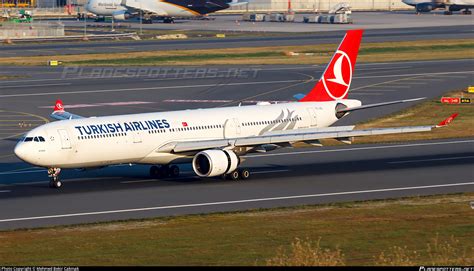
The A330-300 remains one of the aviation industry’s most versatile widebody aircraft due to its balance of passenger capacity, range capability, and operating efficiency. Airlines worldwide continue deploying the type on medium and long-haul international services because of its relatively lower operating costs compared to larger twin-aisle jets.
Turkish Airlines uses its A330 fleet across Europe, Asia, Africa, and the Middle East, often assigning the aircraft to developing markets and strategically important international routes. Many of the airline’s A330s feature dual-class cabin layouts combining business and economy seating, allowing the carrier to maintain premium service standards while efficiently serving diverse passenger demand levels.
Although no injuries occurred during the Kathmandu evacuation, the event underscores how rapidly routine flight operations can evolve into high-risk emergencies. Modern aviation safety systems rely heavily on preparation, coordination, and repeated emergency training to minimize danger when technical failures occur unexpectedly.
The successful evacuation of nearly 300 people from the Turkish Airlines Airbus A330 demonstrates how aircraft certification standards, crew preparedness, and airport firefighting coordination continue to play a decisive role in preventing serious casualties during onboard fire incidents. Investigators are expected to continue examining the aircraft’s hydraulic and landing gear systems in the coming days as Turkish Airlines works to determine the precise sequence of failures that triggered the smoke event in Kathmandu.