A routine late-night departure from Denver International Airport turned into a terrifying aviation emergency after a Frontier Airlines jet struck a person while accelerating for takeoff, forcing pilots to abort the departure and evacuate hundreds of passengers directly onto the runway amid smoke and flames.
The dramatic incident unfolded just before 11:20 PM on Friday as Frontier Flight 4345 prepared to depart Denver for Los Angeles International Airport. The aircraft involved, an Airbus A321neo carrying 224 passengers and seven crew members, had already accelerated to high speed on Runway 17L when the crew suddenly realized a person was directly in the aircraft’s path.
According to air traffic control audio recordings, one of the pilots urgently informed controllers that the aircraft had “just hit somebody” before immediately declaring an engine fire emergency. Within moments, smoke reportedly began entering the cabin as the aircraft came to a stop in the middle of the runway.
The horrifying sequence transformed a normal domestic flight into one of the most shocking runway intrusion incidents seen at a major US airport in recent years.
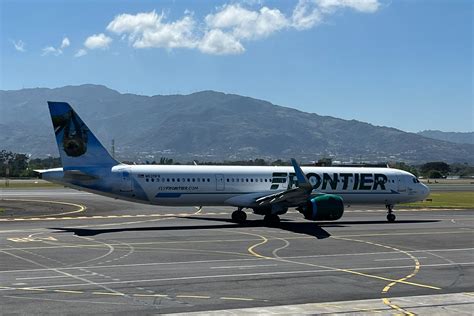
Frontier Flight 4345 Aborts Takeoff After High-Speed Impact
Flight tracking data indicates the aircraft had already reached approximately 127 knots during its takeoff roll, placing it near the critical V1 decision speed — the point where pilots must rapidly determine whether to continue or reject takeoff. Rejecting a takeoff at such speeds is an extremely serious maneuver, particularly when combined with an onboard fire indication.
Despite the chaos, the cockpit crew managed to halt the aircraft safely on the runway before conditions deteriorated further. Witness photographs later showed sparks and flames erupting near the aircraft’s right-side engine area, while thick smoke surrounded portions of the jet.
Passengers onboard described a sudden violent sensation followed by aggressive braking. Moments later, flight attendants initiated a full emergency evacuation as airport rescue vehicles raced toward the scene.
Images captured after the evacuation showed dozens of passengers standing directly on the runway in darkness while firefighters surrounded the damaged aircraft.
The incident is now under investigation by the National Transportation Safety Board alongside airport authorities and federal investigators.
Engine Fire Raises Questions About Possible Engine Ingestion
Early reports suggest the individual struck by the aircraft may have been fatally injured during the collision. Aviation analysts believe the subsequent engine fire could indicate the person was partially ingested into one of the aircraft’s engines, though officials have not publicly confirmed that scenario.
The severity of the fire drew immediate concern because modern turbofan engines are designed to withstand significant foreign object impacts, including bird strikes. A fire following human impact indicates the collision likely caused catastrophic mechanical damage inside the engine core.
The exact condition and identity of the pedestrian have not yet been officially released.
What remains especially alarming is how an unauthorized individual managed to access an active runway at one of the busiest airports in North America.
Massive Security Concerns Emerge At Denver International Airport
Denver International Airport covers more land area than any other airport in the United States, operating across an enormous airfield with six active runways and sprawling perimeter zones. Maintaining airtight security across such a massive property presents constant operational challenges.
Friday night’s incident has reignited concerns about runway incursions and unauthorized airfield access, issues aviation regulators worldwide have treated with increasing urgency over the past decade.
Airport officials confirmed Runway 17L was immediately closed following the collision and remained shut while investigators documented the scene.
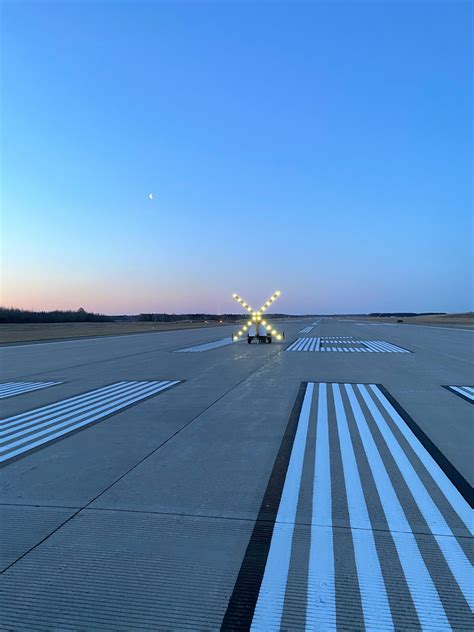
One developing theory suggests the individual may have accidentally entered the runway from a nearby construction or maintenance area. Aviation observers noted reports of a closed work zone near Taxiway P7, close to the location where the impact occurred. Investigators are now expected to review surveillance footage, access control logs, and contractor activity records to determine exactly how the breach happened.
The airport later stated that emergency responders quickly arrived on scene and transported evacuated passengers back to the terminal by bus.
Remarkably, only one passenger reportedly sustained minor injuries during the event. Authorities have not clarified whether the injury occurred during the rejected takeoff itself or during the emergency evacuation process.
Runway Intrusions Continue To Threaten Aviation Safety
Although commercial aviation remains extraordinarily safe, runway incursions remain among the industry’s most feared operational threats because they often develop with little warning and leave crews only seconds to react.
Incidents involving pedestrians on active runways are rare but deeply dangerous. Earlier this year, a separate breach at Phoenix Sky Harbor International Airport involved a man reportedly suffering a mental health crisis who managed to run across active taxiways before police intervened.
In Chicago, another recent case involved a delivery driver mistakenly entering restricted airport grounds near O’Hare International Airport. That intrusion fortunately ended without injuries, but it highlighted how even brief security lapses can place aircraft, crews, and passengers at enormous risk.
The Denver incident demonstrates how quickly a runway breach can escalate into a potentially catastrophic emergency involving hundreds of lives.
Investigators Now Focus On Chain Of Failures
The investigation will likely center on several critical questions: how the pedestrian accessed the runway, whether airport surveillance systems detected the intrusion in time, and how close the aircraft was to liftoff when the collision occurred.
Experts will also examine cockpit decision-making, engine damage patterns, evacuation timing, and communication between pilots and air traffic controllers during the rapidly unfolding emergency.
For passengers onboard Flight 4345, the terrifying experience ended with evacuation slides, smoke-filled cabins, and flashing emergency lights across the dark Denver runway. For investigators, however, the incident marks the beginning of a far more complex examination into airport security, runway safety, and the chain of events that allowed a person and a departing airliner to collide on an active runway.