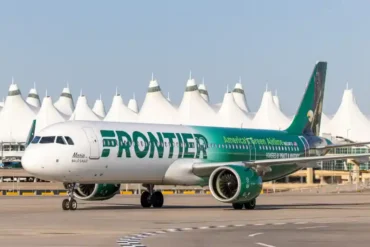
Passengers aboard a Frontier Airlines flight bound for Phoenix experienced an unexpected overnight delay after a loaded gun magazine was discovered inside the cabin of an Airbus A321neo moments before departure from Denver International Airport. The incident triggered an immediate security response involving federal authorities, passenger rescreening, and a full aircraft sweep, adding to growing scrutiny surrounding airline security procedures and operational oversight at one of America’s busiest airports.
Frontier Flight 4765 had been preparing for departure from Denver on Sunday evening when crew members or airport personnel located the ammunition magazine onboard the aircraft. Although no firearm was ultimately found, the discovery prompted officials to halt the departure immediately and remove every passenger from the plane as authorities worked to determine whether a broader threat existed.
The event unfolded during a period of heightened attention surrounding Frontier Airlines operations in Denver, particularly after another serious incident involving the carrier earlier in the week drew national headlines. Aviation analysts say the timing of the two events has amplified public concern regarding airport security procedures, aircraft turnaround inspections, and the accountability standards applied to authorized armed personnel traveling aboard commercial flights.
Security Alert Forces Immediate Evacuation Of Frontier Flight
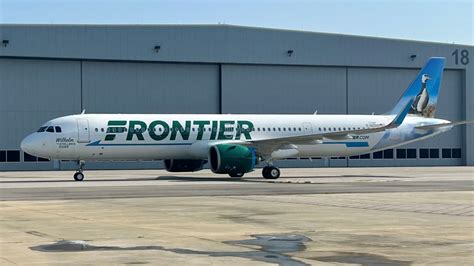
The Airbus A321neo had been scheduled to depart Denver around 8 PM local time for Phoenix when the loaded magazine was discovered somewhere inside the passenger cabin. Within moments, the planned departure was canceled and passengers were instructed to leave the aircraft while airport police, TSA personnel, and federal investigators initiated a precautionary response.
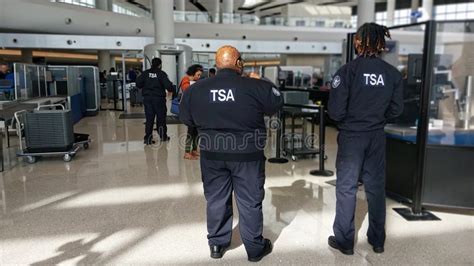
Travelers described a scene marked by confusion and uncertainty as they were escorted back into secure screening areas without initially being told why the flight had suddenly been interrupted. Several passengers later told local media outlets that information remained limited for an extended period while authorities inspected the aircraft and attempted to determine whether a firearm might still be onboard.
Federal aviation security procedures require aggressive responses whenever suspicious weapons-related items are discovered inside commercial aircraft cabins. Even when no immediate threat is confirmed, airlines and airport authorities typically assume worst-case scenarios until aircraft inspections and passenger screenings are completed.
Officials confirmed that the aircraft underwent a comprehensive security sweep following the evacuation. Authorities reportedly checked seating areas, overhead bins, storage compartments, and surrounding cabin sections to ensure that no firearm or additional prohibited items remained onboard. After the inspection concluded, investigators stated that no other weapons or suspicious materials had been located.
The overnight disruption intensified after the flight crew exceeded federally permitted duty time limitations during the lengthy investigation process. Under federal aviation regulations, pilots and flight attendants are prohibited from operating flights once maximum duty hours have been reached, regardless of operational circumstances.
As a result, passengers were forced to remain overnight in Denver before eventually departing early Monday morning aboard a replacement flight.
Frontier Airlines Points To Law Enforcement Officer As Likely Source
Frontier Airlines later stated that preliminary findings suggest the loaded magazine likely belonged to a law enforcement officer who had traveled on a previous segment using the same aircraft earlier in the day. Authorities did not publicly identify the officer involved, nor did they specify which agency the individual may have represented.
Under federal regulations, authorized law enforcement personnel are permitted to travel armed aboard commercial flights under tightly controlled conditions. These procedures are governed by Transportation Security Administration rules and federal aviation security protocols that outline how weapons and ammunition must be handled during travel.
Despite those permissions, strict accountability standards remain in place. Officers carrying firearms onboard commercial aircraft are expected to maintain constant control over their equipment throughout the journey. The discovery of a loaded magazine left behind inside a passenger cabin therefore raises serious concerns about procedural compliance and post-flight accountability checks.
Industry security experts note that while accidental abandonment of equipment by authorized personnel remains relatively uncommon, the consequences can be significant. Any unattended weapons-related item discovered onboard a commercial aircraft immediately triggers heightened security responses because investigators cannot initially determine whether a larger threat may exist.
Passengers affected by the delay reportedly received limited compensation from the airline, including modest meal vouchers. Some travelers also expressed frustration after refund requests connected to the disruption were denied.
Denver Incident Adds To Intense Scrutiny Surrounding Frontier Operations
The discovery occurred only days after another alarming Frontier Airlines incident at Denver International Airport captured national attention. Earlier that week, Frontier Flight 4345 struck and killed an individual on the runway while departing for Los Angeles, resulting in an engine fire and a large-scale emergency evacuation involving more than 220 passengers.
Although investigators have emphasized that the two incidents are unrelated, the close timing has intensified public and industry scrutiny surrounding Frontier’s operations in Denver. Aviation observers point out that multiple high-profile safety and security events occurring within days of one another can significantly influence public confidence, even when no direct operational connection exists.
The Denver airport environment itself also presents unique logistical pressures. As one of the busiest airline hubs in the United States, aircraft frequently complete rapid turnaround cycles involving deplaning, cleaning, catering, boarding, fueling, and security inspections within extremely narrow time windows.
Modern low-cost carrier operating models often depend on maximizing aircraft utilization, meaning jets can perform multiple flight segments daily with minimal downtime between departures. While airlines maintain established cleaning and inspection protocols, security specialists acknowledge that fast-paced operational environments can increase the possibility of overlooked items remaining onboard between flights.
Experts say this latest incident demonstrates how even small lapses involving authorized personnel can create major operational disruptions throughout the aviation system. A single abandoned magazine forced the evacuation and rescreening of an entire aircraft, delayed dozens of travelers overnight, and required coordination among airline staff, airport police, TSA officials, and federal investigators.
Similar Frontier Airlines Security Incident Previously Occurred In Atlanta
The Denver discovery also bears striking similarities to another Frontier Airlines incident reported in Atlanta during late 2025. In that case, passengers boarding a Frontier Airbus A320 at Hartsfield-Jackson Atlanta International Airport discovered a loaded handgun magazine near seat 7A before departure.
Authorities responded in nearly identical fashion by evacuating the aircraft, conducting secondary passenger screenings, and performing an extensive security inspection of the cabin. Frontier later stated that investigators believed the magazine in the Atlanta incident had also likely been left behind by a law enforcement officer traveling on a prior flight segment.
No firearm was located during the Atlanta search either, but the recurrence of similar incidents within a relatively short period has renewed debate regarding oversight procedures for armed authorized personnel aboard commercial aircraft.
Aviation security analysts argue that these events highlight the importance of detailed accountability procedures, especially when officers transport firearms through crowded commercial aviation environments involving multiple flights and changing aircraft assignments.

Federal Investigation Continues As Questions Remain
As of Monday evening, federal authorities had not announced criminal charges related to the discovery onboard Frontier Flight 4765. The FBI and Transportation Security Administration were both notified following the incident, while Frontier Airlines stated it continues cooperating fully with investigators.
Several questions remain unresolved, including exactly where the magazine was discovered, how long it had been onboard the aircraft, and whether existing security protocols were properly followed before the plane was prepared for departure.
The incident nevertheless serves as another reminder of how aviation security systems are designed to prioritize caution above operational convenience. Even without a confirmed weapon onboard, authorities treated the discovery as a potentially serious threat until every passenger was rescreened and the aircraft was fully cleared.
For travelers onboard the delayed Phoenix-bound flight, the disruption ultimately ended with an overnight stay and a delayed departure the following morning. For federal investigators and airline security officials, however, the discovery has reopened broader concerns regarding accountability, cabin inspections, and the handling of firearms-related equipment aboard commercial passenger aircraft.