Airbus A380 operators are facing renewed scrutiny after the European Union Aviation Safety Agency (EASA) ordered emergency inspections on 16 aircraft following the discovery of cracks in critical wing spar components. The directive affects 15 aircraft operated by Emirates and one belonging to Qantas, highlighting concerns over the structural integrity of specific examples of the world’s largest passenger aircraft.
EASA has instructed that five Emirates aircraft undergo inspections before their next flight, resulting in their immediate withdrawal from service. The remaining 11 aircraft, including the affected Qantas jet, must complete the required checks within the next 25 flight cycles. Although emergency airworthiness directives are uncommon, regulators concluded that the issue warranted urgent action to prevent a potential reduction in wing strength.
The inspections focus on the mid spar components inside the wings. According to the regulator, cracks discovered on certain aircraft could compromise structural integrity if left unresolved. Airbus subsequently developed additional inspection procedures to identify any further defects and ensure continued airworthiness.
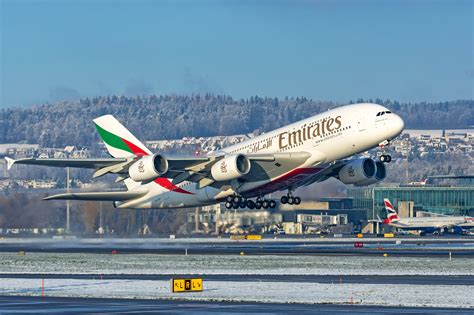
Emergency Directive Targets Specific Airbus A380 Aircraft
Unlike previous fleet-wide measures, EASA has limited the current mandate to aircraft identified through serial numbers. Regulators have not ordered the grounding of the entire global A380 fleet because available evidence does not indicate a widespread problem affecting all aircraft.
Emergency directives are generally reserved for issues that present an immediate threat to safety. As a result, the five Emirates aircraft identified for immediate action have been temporarily removed from operations, while the remaining aircraft have a short compliance window before inspections become mandatory.
The regulator stated that the cracks detected on affected airplanes could reduce the wing’s structural capability. To mitigate that risk, Airbus determined that additional detailed inspections were necessary. Aircraft must satisfy these requirements before returning to service or before reaching the maximum number of permitted flight cycles.
Airbus A380 Wing Problems Resurface More Than A Decade Later
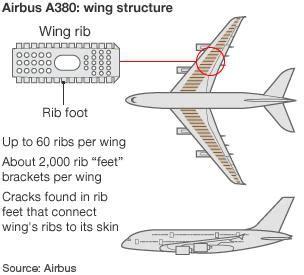
The latest development revives memories of a major inspection campaign launched in 2012. At that time, cracks were discovered in brackets connecting the wing skin to internal ribs, forcing operators worldwide to conduct extensive inspections across the entire A380 fleet.
Those earlier defects resulted in expensive repairs and engineering modifications. Although the current issue appears more limited in scope, it once again underscores the challenges associated with maintaining aging superjumbo aircraft that have accumulated years of intensive long-haul service.
The Airbus A380 entered commercial service in 2007 and became a symbol of high-capacity international travel. Even after production ended, the aircraft remained essential to major carriers operating routes between some of the world’s busiest airports.
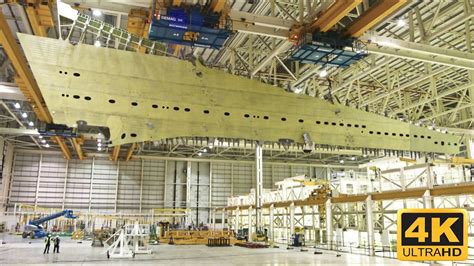
Emirates Faces The Largest Operational Impact
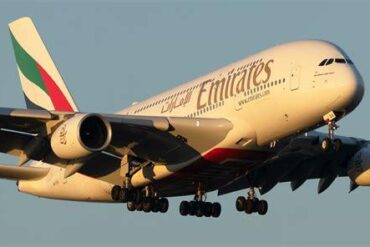
Dubai-based Emirates, the largest A380 operator in the world, is naturally the airline most exposed to the latest directive. With more than 100 superjumbos in its fleet, the carrier depends heavily on the aircraft to support its global network.
The A380 has become closely associated with Emirates’ brand, serving flagship routes across Europe, Asia, Australia, and North America. Any technical issue affecting the type attracts considerable attention due to the scale of Emirates’ operations.
Despite the emergency inspections, only a small portion of the airline’s fleet is involved, minimizing broader disruption. The majority of Emirates’ A380s continue to operate normally while maintenance teams address the requirements specified by EASA.
Qantas Aircraft Already Undergoing Heavy Maintenance
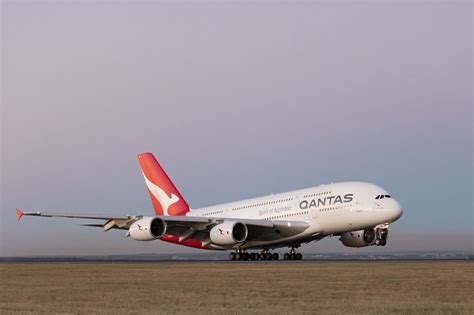
Australia’s Qantas has only one aircraft affected by the directive. Fortunately for the airline, the aircraft was already out of commercial service for heavy maintenance.
Registered as VH-OQI, the aircraft last operated a flight from London Heathrow to Dresden before entering maintenance facilities in Germany. Delivered in January 2011, the aircraft carries 485 passengers across four cabin classes, including 14 first-class suites, 70 business-class seats, 60 premium economy seats, and 341 economy seats.
The aircraft is named after David Warren, the Australian scientist credited with developing the flight data recorder, commonly known as the black box.
Supply Chain Challenges Add Pressure On Airbus
The latest inspections arrive during a difficult period for Airbus. The European manufacturer continues to wrestle with supply chain constraints and delays affecting aircraft deliveries. Engine shortages, particularly involving Pratt & Whitney powerplants, have left completed aircraft parked at facilities in France and Germany awaiting final assembly.
At the same time, EASA has increased oversight across several Airbus programs. Additional maintenance requirements affecting the A330 and concerns surrounding A320 flight-control systems have contributed to growing regulatory pressure.
Airbus Chief Executive Guillaume Faury has criticized Europe’s regulatory and economic environment, arguing that rising costs and increasing administrative complexity are weakening the region’s industrial competitiveness. While the current A380 issue affects only a limited number of aircraft, it represents another challenge for a manufacturer already navigating supply shortages and tighter regulatory scrutiny.