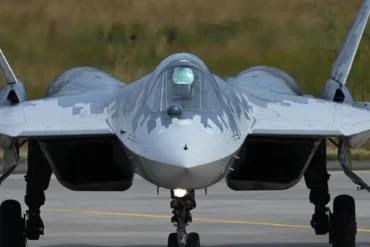
The wing root represents a structurally critical and aerodynamically influential segment of any fixed-wing aircraft. Located at the junction where the wing meets the fuselage, this region is not only a hub of aerodynamic complexity but also a focal point of mechanical stress and fatigue. Its engineering dictates a great deal of the aircraft’s overall flight performance, structural integrity, and longevity.
Structural Significance of the Wing Root
The wing root absorbs the highest bending moments and torsional stresses encountered during flight. When an aircraft encounters lift, the wings experience an upward force, and the resulting moment is resisted at the wing root. This makes it the most heavily loaded section of the wing. Engineers must reinforce this zone with optimized materials and geometries, often involving complex load paths and overlapping joints to prevent crack propagation.
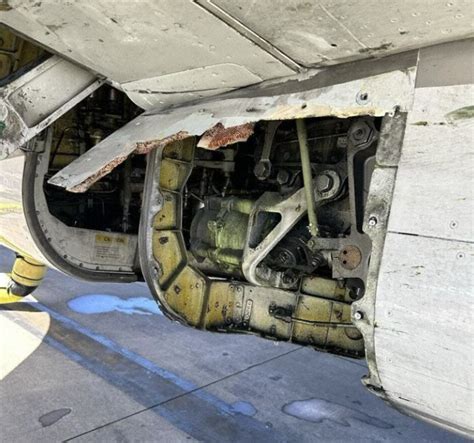
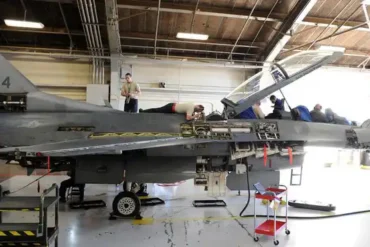
In military jets like the F/A-18 Hornet, fatigue life prediction at the wing root is crucial to the aircraft’s service schedule. High-performance aircraft must tolerate extensive maneuver-induced stresses and repeated takeoff and landing cycles. As a result, engineers employ finite element modeling, fatigue spectrum analysis, and non-linear material behavior simulations specifically around the wing root.
Aerodynamic Complexity and Flow Management
Aerodynamically, the wing root is often the site of complex flow interactions. The sharp transition between the fuselage and the wing can produce adverse interference drag. Without mitigation, this drag not only reduces fuel efficiency but also affects the aircraft’s stability and lift characteristics.
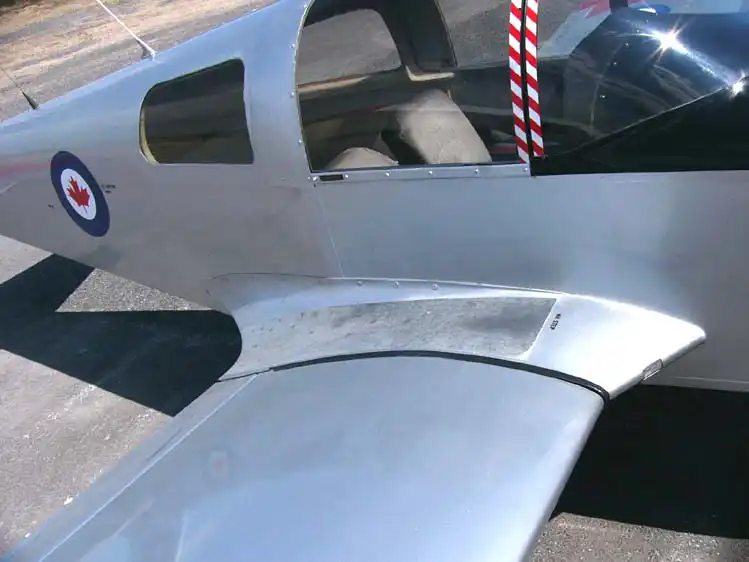
To counteract this, wing root fairings, or “wing fillets,” are integrated into modern designs. These smoothly contoured surfaces reduce separation and vortices, streamlining the airflow. This concept gained popularity during the early 20th century and continues to be refined for performance gains. Aircraft such as the Boeing 787 Dreamliner exhibit beautifully integrated wing roots that blend seamlessly with the fuselage, minimizing drag and enhancing laminar flow.

Additionally, newer technologies use vortex generators and active flow control devices in the wing root zone. These systems energize the boundary layer and prevent premature flow separation, which is critical during low-speed flight or high angle-of-attack maneuvers.
Material Considerations and Fatigue Management
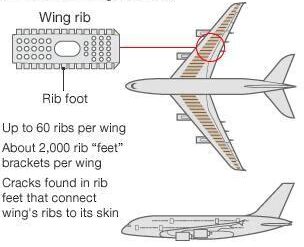
Fatigue at the wing root is a dominant factor in aircraft lifecycle management. The junction is exposed to cyclic loading, making it susceptible to micro-cracking and long-term material degradation. This is especially true in aluminum alloy aircraft, though composite materials also present their own challenges in crack detection and stress distribution.
Modern aircraft employ strain gauges embedded within the wing root structure to monitor real-time stress levels. These gauges inform maintenance cycles and support predictive diagnostics, preventing failures before they become catastrophic. For instance, the U.S. Navy’s F/A-18A-D program utilizes a fatigue life expended (FLE) prediction model, eliminating the need for intrusive strain gauge application by relying on flight data analysis and simulation-based forecasting.
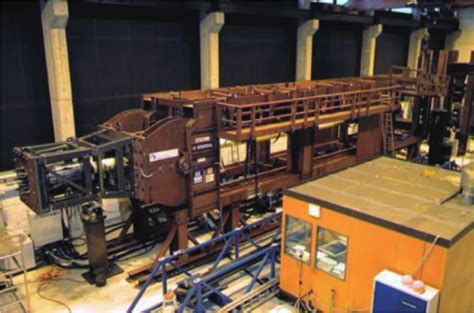
Besides embedded sensors, non-destructive inspection (NDI) methods such as ultrasonic testing, eddy current scanning, and digital radiography are routinely applied during scheduled maintenance. This ensures detection of hairline cracks or material discontinuities without dismantling primary structures.
Thermal Management in Hypersonic Flight
For hypersonic vehicles, the wing root becomes a thermal hot spot due to intense aerodynamic heating and heat conduction from the surrounding structure. Temperatures can exceed the limits of conventional aerospace alloys, requiring the use of thermal barriers, high-conductivity pathways, and active cooling mechanisms.
A study conducted at the University of Queensland investigated Mach 8 heating effects at the wing/fin root of test vehicles. These experiments revealed that even minor imperfections in surface continuity can produce local hot spots, potentially compromising structural integrity. Materials like carbon-carbon composites and titanium alloys are used in these cases, balancing weight, thermal resistance, and fatigue life.
Wing Root Optimization in Aircraft Design
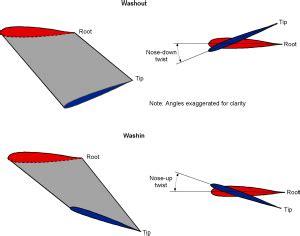
The shape, sweep, and taper of the wing root significantly impact the overall wing planform. Designers often face a trade-off between structural robustness and aerodynamic refinement. Swept wing roots reduce drag at transonic speeds, while elliptical root transitions are optimized for low-speed maneuverability.
The design process involves parametric studies using Computational Fluid Dynamics (CFD) and Multidisciplinary Design Optimization (MDO) frameworks. Studies such as those by Guzelbey and Eraslan on taper ratios reveal how slight changes in root-to-tip chord ratios alter lift distribution, drag profile, and load carrying efficiency.
Wing roots are also part of the wingbox, the main structural core that carries bending and shear forces. A well-integrated wingbox structure improves load transmission while minimizing material use. Aircraft like the Airbus A350 use integral composite wingboxes that extend to the root, maximizing stiffness-to-weight ratios.
Historical Evolution and Innovations
Early aircraft often lacked sophisticated wing root design, resulting in high drag and poor structural resilience. The advent of wing fillets during the 1930s—such as those on the Lockheed Electra and Douglas DC-3—marked a turning point. These innovations reduced stall tendencies and drag, enabling more efficient cruising.

World War II aircraft like the Supermarine Spitfire and P-51 Mustang benefited greatly from refined wing root aerodynamics. The post-war jet era saw the integration of stronger load-bearing materials and internal spars at the wing root junction, giving rise to new aerodynamic configurations.
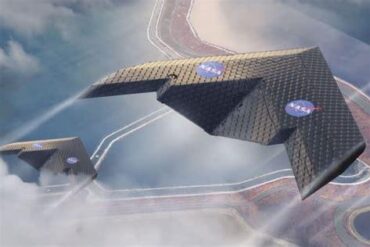
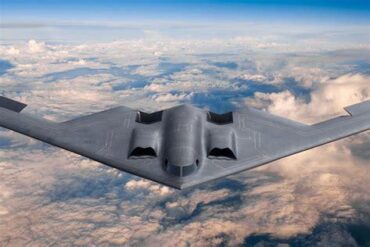
Today, cutting-edge designs like the Blended Wing Body (BWB) erase the concept of a discrete wing root altogether, offering a continuous load path between the centerbody and lifting surfaces. This configuration offers massive aerodynamic efficiency and structural simplicity.
Maintenance Protocols and Operational Risk Mitigation
Aircraft operators enforce strict inspection intervals around the wing root, particularly for aging fleets. The FAA and EASA guidelines mandate visual, dye penetrant, and eddy current inspections at defined flight-hour milestones. For military and high-cycle usage aircraft, enhanced structural inspections (ESIS) are applied with even greater frequency.
Aircraft with a history of hard landings or overstress events often undergo focused forensic assessments at the wing root. Any observed deformation, paint crazing, or distortion in wing fairings warrants immediate investigation.
Airframe manufacturers issue Service Bulletins (SBs) and Airworthiness Directives (ADs) for recurring wing root issues. These may involve reinforcement kits, modified fastener installations, or revised torque settings to extend the structural life.
Conclusion: The Wing Root as an Engineering Keystone
The wing root stands as a testament to the marriage of aerodynamic finesse and structural discipline. From the high-bending loads of a commercial airliner during descent to the searing heat of a hypersonic test platform, this critical junction governs much of the aircraft’s performance envelope. Through advanced materials, design optimizations, fatigue monitoring systems, and thermal countermeasures, engineers continue to evolve this once overlooked area into a refined cornerstone of aviation innovation.