Wing twist is one of the most critical aerodynamic design features embedded in modern and experimental aircraft wings. While its purpose is often understated, wing twist significantly impacts lift distribution, stall behavior, and overall flight control stability. By manipulating the effective angle of attack across the span of the wing, engineers can craft wings that stall predictably and safely — essential in both commercial aviation and high-performance military aircraft. This article explores the intricacies of wing twist, its mechanical and aerodynamic implementations, and its profound implications on flight dynamics.
Understanding Wing Twist: The Aerodynamic Core
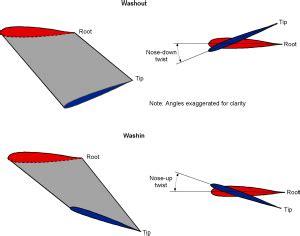
At its most fundamental level, wing twist refers to the variation in incidence angle — the angle at which the wing meets the oncoming air — from the wing root (nearest the fuselage) to the wingtip. This variation can either reduce or increase this angle along the span. When the angle decreases from root to tip, it is referred to as washout. Conversely, an increase in angle from root to tip is known as wash-in.
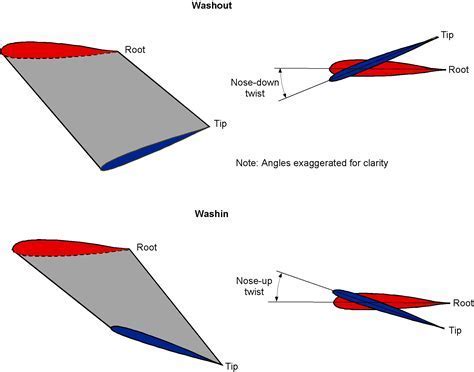
Washout is by far the more common of the two. It ensures that the wing root stalls before the tip, preserving ailerons’ control authority even in the early stages of a stall. This strategic design ensures that the pilot retains control of the aircraft when most needed, particularly during high-angle maneuvers, takeoff, and landing approaches.
Washout: The Guardian of Stall Behavior
The principal advantage of washout is that it promotes root-first stall characteristics. When an aircraft enters a high angle of attack, such as during a steep climb or tight turn, the wing root — the innermost part of the wing — will lose lift before the tips. This behavior is crucial because:
- The pilot is alerted to stall conditions earlier.
- The ailerons, typically located at the tips, remain in airflow and functional.
- The aircraft remains partially controllable, allowing for stall recovery before a complete loss of lift.
This characteristic has made washout a standard feature in most modern wing designs. Notably, commercial airliners and fighter jets alike benefit from this precise control during extreme maneuvers and turbulence.
Wash-In: A Rare but Strategic Inversion
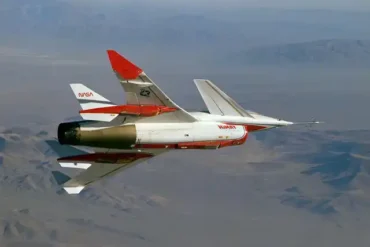
Wash-in is rare but not without purpose. One of the most prominent examples of wash-in is found in the Grumman X-29, an experimental aircraft that employed forward-swept wings. These wings inherently promote root-first stalls. To counterbalance this undesirable effect, the engineers implemented strong wash-in, intentionally increasing the angle of incidence at the tips. The result was a more balanced lift distribution across the wingspan.
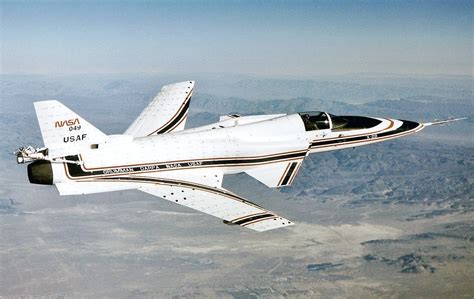
Wash-in requires meticulous structural design and is usually reserved for research or high-performance aircraft that challenge conventional aerodynamics. It introduces complex stress loads on the wing structure and demands advanced materials to withstand those pressures.
Material Science and Structural Twist: The Elastic Factor
Another layer to the wing twist discussion is involuntary or elastic wing twist. Before the advent of carbon composites and high-strength alloys, aircraft wings were more prone to unintended twisting under aerodynamic load. Particularly during flap deployment, aeroelastic deflection could cause the entire wing to bend rather than just the control surface.
This unintended twist, while once a structural liability, has been nearly eradicated through modern material science. Today’s wings are engineered with precise stiffness parameters, allowing only intended, passive, or active twisting mechanisms to occur.
Active Wing Twist: The Future of Adaptive Flight
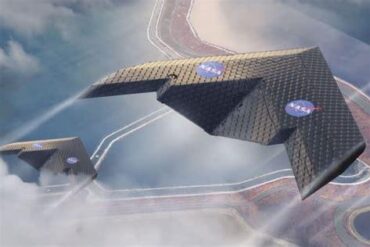
With the emergence of adaptive compliant wings, wing twist is transitioning from a static design choice to a dynamic, controllable feature. Research led by organizations like NASA and aerospace innovators has introduced morphing wings that adjust their twist in real time, improving aerodynamic efficiency, fuel economy, and maneuverability.
These wings mimic natural flyers like birds and insects, adjusting surface shape based on real-time flight data. The benefits of adaptive wing twist include:
- Reduction in drag across different flight regimes
- Noise reduction, especially during descent
- Enhanced lift-to-drag ratios
- Extended flight range for both manned and unmanned aerial vehicles
Wing Twist in Nature: Lessons from Insects and Birds
Wing twist is not purely a human invention. It’s prominently observed in butterflies, birds, and bats, where natural flight efficiency is essential for survival. For instance, research published in PLOS ONE demonstrates that butterflies exhibit time-varying wing twist, adjusting their wing structure mid-flight to optimize lift and reduce energy consumption.

Insects dynamically twist their wings to control vortices and airflow separation, maintaining lift at low Reynolds numbers — a condition typical of small-scale flight. Engineers study these biological adaptations to inform the design of micro air vehicles (MAVs) and next-generation drones.
Military Applications: Extreme Maneuverability through Controlled Wing Twist
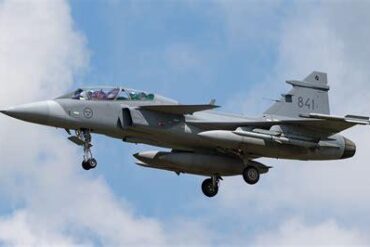
Modern fighter jets rely on precise control of aerodynamic flow over their wings at extreme speeds. Wing twist plays an essential role in enhancing roll rate, delaying stall, and maintaining instability-for-agility design philosophies. Aircraft such as the F/A-18 Hornet employ subtle twist distribution combined with wing leading-edge extensions (LEX) to maintain lift at high angles of attack.
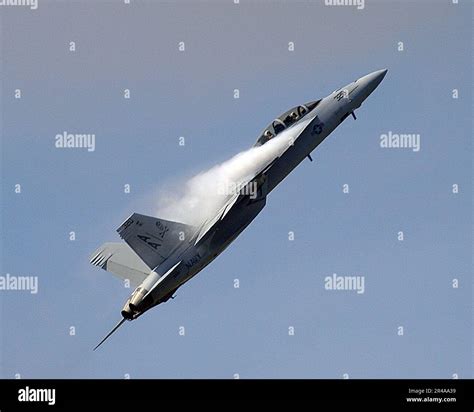
In such aircraft, even minimal adjustments in twist can dramatically affect performance, especially in post-stall regimes. Twist, in combination with thrust-vectoring and fly-by-wire systems, allows these aircraft to perform maneuvers previously thought impossible.
Wing Twist in Sailing and Rotorcraft: Cross-Domain Aerodynamics
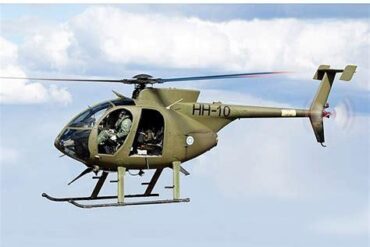
Beyond fixed-wing aircraft, wing twist principles are also applied in rotorcraft blades and sailing sails. In helicopter rotors, twist is used to balance lift production across the spinning blade, which experiences a wide range of relative airflow velocities.
Similarly, in sailing, sail twist (also called leech twist) adjusts the lift force distribution to balance boat motion, speed, and heading. In both contexts, controlling twist is key to maximizing aerodynamic or hydrodynamic efficiency.
Design Implications and Engineering Considerations
Designing for wing twist involves a delicate balance between aerodynamic benefit and structural feasibility. Key engineering considerations include:
- Material stiffness vs. flexibility
- Desired flight envelope (e.g., low-speed vs. high-speed performance)
- Control surface placement and effectiveness
- Weight distribution and center of pressure shifts
- Cost and manufacturing complexity
Modern computational fluid dynamics (CFD) simulations, wind tunnel tests, and flight prototypes play vital roles in validating the aerodynamic behavior of wing twist across varied conditions and configurations.
Conclusion: The Subtle Science with Sweeping Effects
Wing twist may be invisible to the casual observer, but it governs some of the most critical aspects of aircraft performance. From the controlled stall behavior of commercial airliners to the aerobatic prowess of military jets, and from the fluttering precision of a butterfly to the future of morphing UAVs — wing twist is a testament to the convergence of engineering insight and natural inspiration.
As aerospace continues to evolve toward autonomous flight, electric propulsion, and bio-inspired design, wing twist will remain at the center of innovation — a quiet yet powerful force enabling safer, smarter, and more efficient flight.