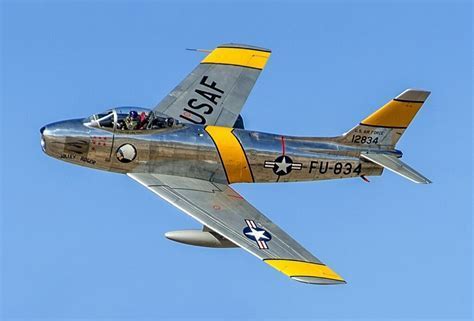
In the golden age of jet-powered flight, military aircraft such as the North American F-86 Sabre stood at the forefront of aeronautical innovation. One of their most distinctive aerodynamic features was the use of wing fences—thin vertical plates attached perpendicular to the surface of a swept wing. These devices, although visually simple, served a crucial purpose: mitigating spanwise airflow, which caused aerodynamic instability, reduced lift efficiency, and increased drag. However, as aerospace engineering evolved, these once-essential components slowly disappeared from the silhouette of modern fighters. So why did this transformation occur, and what replaced them?
The Function and Legacy of Wing Fences
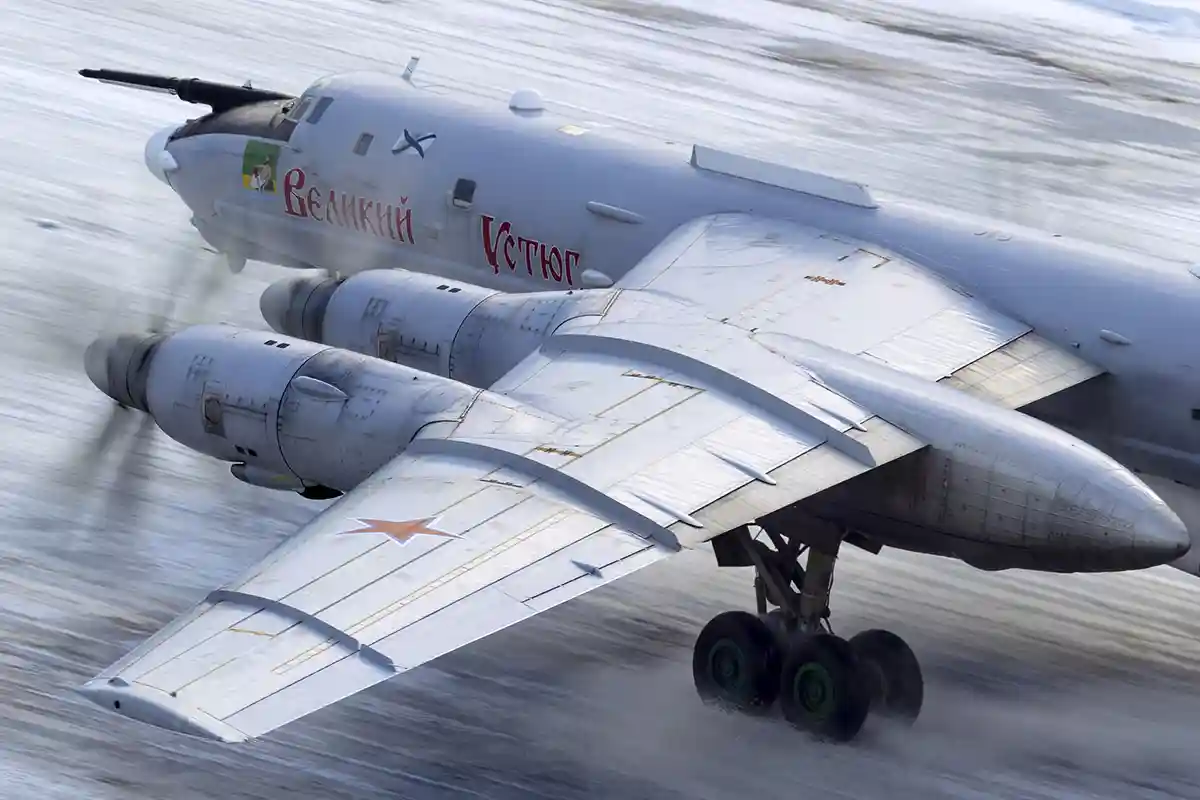
Wing fences were particularly vital during the mid-20th century, a time when swept-wing designs began dominating military aviation. Swept wings offered reduced drag at transonic speeds, but also introduced adverse spanwise airflow—air traveling along the span of the wing rather than over it. This lateral flow would reduce the pressure differential over the wing surface, increasing the risk of tip stall and significantly decreasing control effectiveness, especially during high-speed maneuvers.
Wing fences acted as airflow governors. By breaking up the spanwise airflow, they redirected air to move more predictably over the wing, delaying tip stall and maintaining stable lift characteristics. They were particularly useful in early jet fighters that lacked sophisticated control systems and aerodynamic refinements.
The Rise of Superior Alternatives: Leading Edge Extensions (LEX)
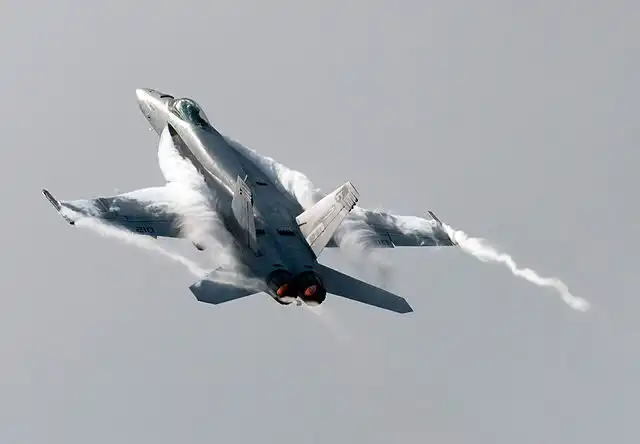
The eventual disappearance of wing fences is primarily attributed to technological evolution, most notably the widespread adoption of Leading Edge Extensions (LEX). Unlike wing fences, which interrupt lateral airflow, LEX optimize airflow proactively. These surfaces extend forward from the wing root and curve upward toward the aircraft’s nose, generating vortex lift at high angles of attack.
This controlled vortex delays wing stall and enables sustained lift during aggressive maneuvers. A prime example of LEX implementation can be found on aircraft like the F/A-18 Hornet and Su-27 Flanker, where they contribute significantly to combat maneuverability and aerodynamic stability. LEX not only replace the need for wing fences but also provide added benefits such as:
- Enhanced pitch control
- Better lift-to-drag ratios
- Improved airflow to control surfaces during post-stall maneuvers
Fly-By-Wire: The Digital Revolution in Flight Control
The transition from mechanical linkages to Fly-By-Wire (FBW) systems revolutionized aircraft control. Unlike legacy jets that relied on direct pilot input through hydraulically assisted surfaces, FBW systems interpret pilot commands through digital computers. These onboard processors continuously adjust control surfaces, compensating for instabilities in real-time.
This innovation negated many aerodynamic shortcomings that wing fences once addressed. Pilots no longer needed physical airflow governors; computers provided fine-tuned flight corrections with microsecond precision. FBW has enabled the design of inherently unstable aircraft—like the F-16 Fighting Falcon—which remain stable only due to constant electronic correction.
The disappearance of wing fences thus reflects a broader shift from mechanical compensation to software-based solutions, enabling cleaner airframes, reduced drag, and enhanced stealth.

Stealth and Clean Design Philosophy
One of the primary drivers behind the elimination of wing fences is the military’s obsession with stealth. From the early 1990s, radar-evading design became a top priority. Any protruding structure—such as wing fences—creates additional radar cross-section (RCS) and reflects electromagnetic waves back to enemy detection systems.
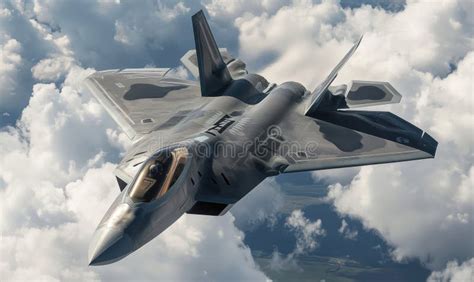
Modern fifth-generation aircraft like the F-22 Raptor and F-35 Lightning II embrace flush-mounted surfaces, internal weapons bays, and smooth aerodynamic lines to reduce RCS. Wing fences would compromise this design language. Instead, stealth jets use embedded aerodynamic solutions and advanced surface shaping to achieve both stability and invisibility.
Moreover, composite materials and computational fluid dynamics (CFD) simulations allow engineers to design wings that inherently control airflow, rendering add-ons like fences obsolete.
Evolution of Jet Engines and Performance Requirements
In the 1940s and 1950s, aircraft typically flew subsonic or just over the sound barrier. Today, military jets are expected to operate reliably in supersonic regimes, often while maneuvering aggressively. Modern engines are more powerful, and airframes are built to endure high-g and high-speed environments that demand superior aerodynamics.
As performance envelopes expanded, so too did the requirements for lift generation, stall management, and control responsiveness. Wing fences—being largely passive—could not adapt dynamically to changing conditions across different flight regimes. In contrast, LEX, canards, thrust vectoring, and FBW offer adaptive solutions that adjust in real-time, ensuring sustained performance under rapidly shifting aerodynamic loads.
Wing Fences in Legacy and Niche Roles
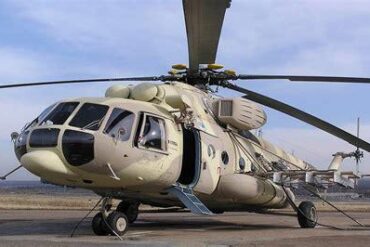
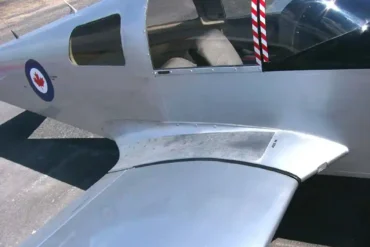
Despite their disappearance from modern high-performance jets, wing fences haven’t vanished entirely. They continue to appear in legacy aircraft, trainer platforms, and some civilian or experimental jets, especially those built with budget constraints or simpler design requirements.
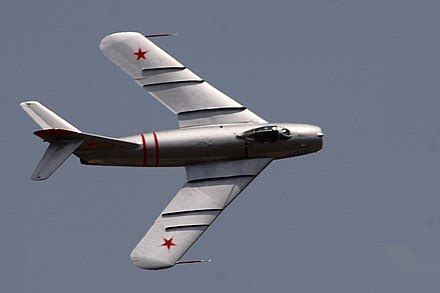
Aircraft like the MiG-17 or early Chinese J-series fighters retained wing fences well into the Cold War era. In some training jets, fences are still used as low-cost solutions for ensuring stable handling at low speeds. However, these cases are exceptions, not the rule, and stand as artifacts of a bygone aerodynamic era.
Computational Fluid Dynamics: Designing Out the Problem
Today, CFD simulations allow engineers to study and control airflow in unprecedented detail. These simulations help optimize wing geometry at the design stage, reducing the need for physical airflow-correcting devices. Using supercomputers and advanced modeling tools, designers can anticipate airflow issues and correct them with subtle changes in:
- Wing sweep angle
- Airfoil cross-section
- Wing twist and camber
These refinements mean that airflow is managed inherently, rather than mechanically corrected post-construction. This digital-first approach to design is yet another reason wing fences are now historical footnotes in fighter jet design.
Toward the Future: AI, Drones, and Adaptive Wings
As we look toward the future of aerial combat, technologies such as adaptive wings, AI-based flight control, and drone swarming are beginning to take precedence. Adaptive wings—capable of changing shape in real-time—may render even FBW systems obsolete. Autonomous drones, operating without human pilots, will use fully optimized digital control surfaces tailored for mission-specific performance.
In this rapidly evolving environment, the notion of static devices like wing fences becomes almost laughably outdated. Future combat platforms will likely feature morphing wings, sensor-driven airflow manipulation, and predictive flight correction algorithms, leaving no room for vestigial structures from the early jet age.
Conclusion: The Inevitable Obsolescence of Wing Fences
The disappearance of wing fences from modern military aircraft reflects more than a change in taste—it’s the outcome of an aerodynamic revolution. Their obsolescence was driven by powerful new tools: Leading Edge Extensions, Fly-By-Wire, stealth-conscious design, and digital airflow management.
What was once a necessary feature on early jet fighters has been engineered out by smarter designs and superior control technologies. Though still visible on museum pieces and certain niche aircraft, wing fences now stand as a testament to mid-century ingenuity—clever, effective, and ultimately surpassed.