Modern aviation is a marvel of engineering precision, with every component meticulously designed to optimize performance and efficiency. Among these innovations, winglets—those sleek vertical extensions at the tips of airplane wings—have transformed the industry by enhancing fuel efficiency and aerodynamic stability.
Winglets are not merely decorative or branding elements; they are crucial aerodynamic tools that directly impact operational costs and environmental sustainability.
The Aerodynamic Challenge at Wingtips
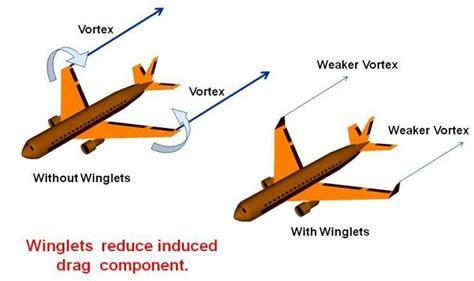
As an aircraft moves through the air, the difference in pressure between the upper and lower surfaces of the wings generates lift. However, this pressure differential causes air from beneath the wing to swirl upward around the tip, creating a vortex. These vortices generate induced drag, which in turn demands more thrust, leading to higher fuel consumption.
Reducing this induced drag has been a fundamental pursuit for aerodynamicists since the early days of flight. The energy lost to these vortices not only decreases efficiency but also presents safety risks, as the turbulence in the wake can destabilize following aircraft.
From Wing Endplates to Modern Winglets: A Historical Perspective
The concept of mitigating wingtip vortices dates back to 1897 when British aerodynamicist Frederick W. Lancaster patented “wing endplates,” flat vertical surfaces attached to the wingtips. Although they reduced drag somewhat, their aerodynamics were inefficient.
The modern concept of winglets was revolutionized by Richard Whitcomb, a visionary NASA engineer in the 1970s. Whitcomb realized that a properly contoured and angled winglet could dramatically cut down induced drag without the penalties of earlier designs. His wind tunnel experiments demonstrated a fuel saving potential of about 5%.
Parallel developments at LearJet led to the first real-world application of winglets in 1977, setting the stage for broader industry adoption.
The Rise of Blended Winglets: Efficiency Meets Elegance
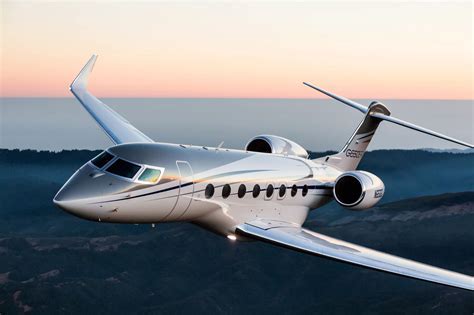
While initial winglet designs showed promise, their additional weight and complexity discouraged widespread use. It was not until the 1990s that the true potential of winglets was unlocked. Aviation Partners, a company founded in 1991, introduced the blended winglet—a smoother, more aerodynamically integrated design.
By employing a curved transition from the wing to the winglet, blended winglets significantly reduced drag without the performance penalties of earlier models. The first aircraft to benefit from this technology was the Gulfstream II business jet.
This innovation caught the attention of major manufacturers, leading to a partnership between Aviation Partners and Boeing, resulting in Aviation Partners Boeing. Today, blended winglets are a common feature on Boeing 737s, 757s, and 767s, with retrofitting options for older models.
Beyond Blended: The Split Scimitar and Spiroid Innovations
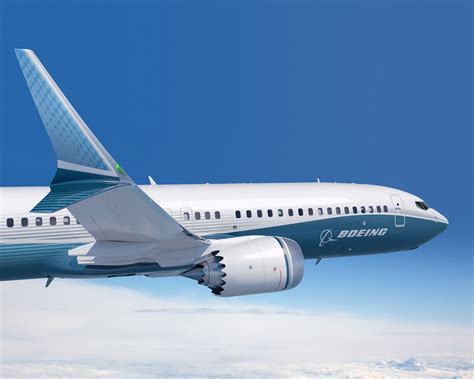
Advances in winglet technology have not stopped with blended designs. The Split Scimitar Winglet, prominently featured on the Boeing 737 MAX 8, incorporates an additional downward-pointing element that further optimizes airflow and boosts fuel efficiency.
Moreover, experimental designs like the Spiroid Winglet—a closed-loop configuration—are being tested to push aerodynamic efficiency even further, particularly for business jets.
These innovations have enabled Aviation Partners to save over 13 billion gallons of fuel across 10,000 aircraft installations, highlighting the enormous economic and environmental impact of winglet technology.
Raked Wingtips: An Alternative Approach
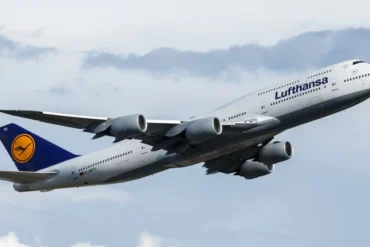
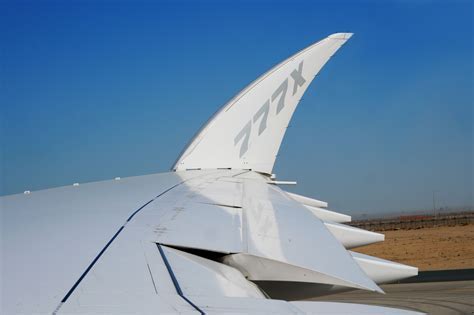
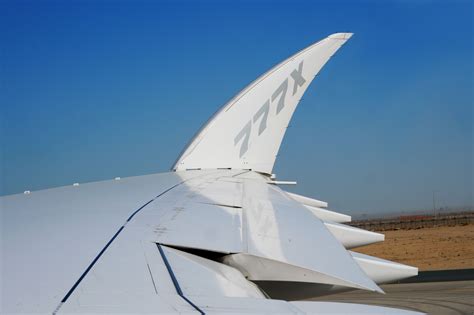
While many modern jets embrace winglets, certain long-haul aircraft like the Boeing 787 and 777 employ raked wingtips instead. Rather than vertical extensions, raked wingtips sweep backward more aggressively than the rest of the wing.
This design achieves similar reductions in induced drag, particularly benefiting aircraft during cruise, where long-haul flights spend most of their time. Raked wingtips maintain structural efficiency while delivering performance gains comparable to traditional winglets.
Airbus Sharklets: Closing the Gap
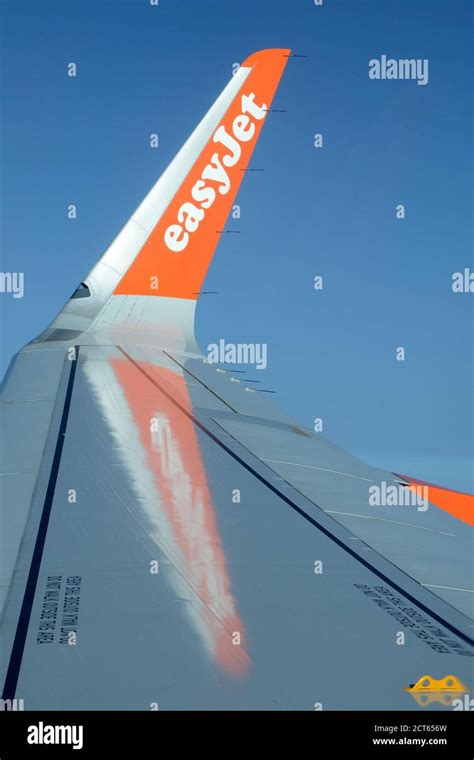
Initially skeptical, Airbus entered the winglet race in 2011 with the launch of Sharklets on the A320 family. Sharklets offered up to a 4% decrease in fuel burn, translating into approximately 900 tonnes of CO₂ savings per aircraft annually.
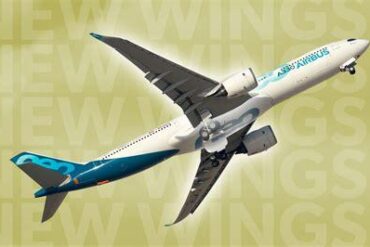
Unlike earlier winglets, Airbus’s newer designs—first seen prominently on the A350—evolved into seamless three-dimensional twists of the wing itself. This organic integration of the winglet concept marks the latest evolution in aerodynamic sophistication, maximizing lift-to-drag ratios without the bulk or added weight of older attachments.
The Economics of Winglet Adoption
Fuel is one of the largest expenses for airlines, representing up to 30% of operational costs. A 5% reduction in fuel consumption offers an irresistible economic incentive, easily justifying the upfront installation costs of winglets, which can be as high as $750,000 for a single Boeing 737 retrofit.
Airlines have also found that winglets contribute to:
- Extended aircraft range, allowing longer non-stop routes.
- Reduced carbon emissions, helping carriers meet stricter environmental regulations.
- Improved climb performance, reducing congestion during takeoff at busy airports.
In highly competitive markets, these advantages can provide a crucial edge in operational efficiency.
Winglets and Passenger Experience
An often-overlooked benefit of winglets is their positive impact on passenger comfort. By enhancing the directional stability of aircraft, winglets contribute to a smoother ride, particularly during turbulence.
As former NASA scientist Al Bowers observed, flights on aircraft equipped with winglets exhibit noticeably less jolting in rough air compared to those without. The additional stability helps reduce lateral motion, making the flying experience less fatiguing for passengers.
The Future of Wingtip Technology
As we look to the future of aviation, wingtip technology continues to evolve. Research into adaptive winglets—structures that can dynamically change shape during flight—promises to further refine aerodynamic efficiency based on real-time conditions.
Moreover, next-generation aircraft designs, including electric and hybrid planes, are expected to incorporate highly specialized wingtip devices as part of their drive for maximum sustainability.
Winglets, once a novel concept, have become a cornerstone of modern aeronautical engineering, symbolizing how incremental innovations can deliver transformative industry-wide benefits. With ongoing advancements, the humble winglet will continue to play a critical role in shaping the skies of tomorrow.